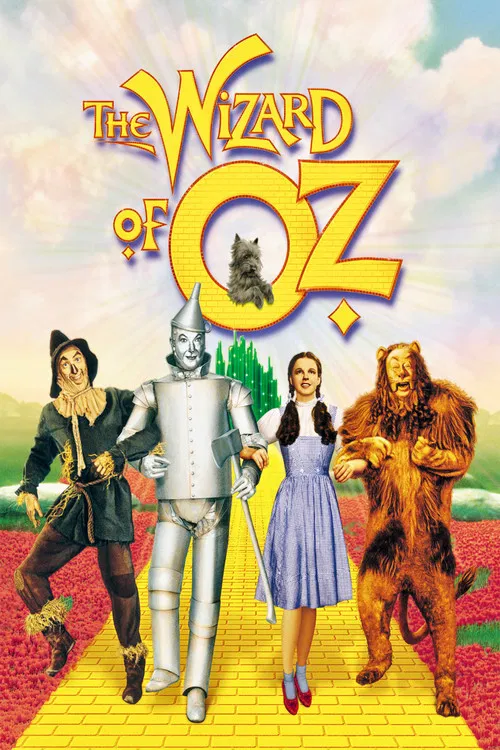
A tornado carries Kansas farm girl Dorothy and her dog Toto to the land of Oz. To get home she follows the yellow brick road, meets a scarecrow, a tin man and a lion, and faces a Wicked Witch. It is worth watching for how early color film is used as a story tool.
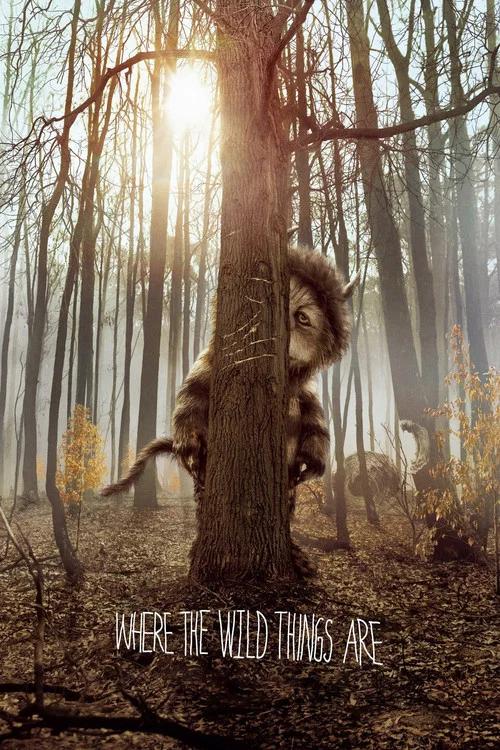
The Wizard of Oz is a 1939 fantasy, adventure and musical film directed by Victor Fleming. This breakdown covers 5 techniques (2 cinematography, 1 narrative, 1 psychology and 1 sound), each with the scene where you can see it. If you like how it is made, Where the Wild Things Are uses several of the same techniques.
Adjusting the film's overall color, such as how warm, cold or vivid it looks, to match a character's emotional state. It can also separate different realities or states of mind.
How this film uses it
Kansas is shot in black and white, tinted sepia. Oz is in rich three-strip Technicolor. The jump from dull to vivid tells you you have entered another world, and the first color you see is a big reveal that works the moment the door opens.
Where to see it
Dorothy opens the farmhouse door after the tornado. The film switches from sepia to full color as she steps into Munchkinland.
Shaping the story with fairy tale elements such as quests, enchanted figures and moral tests, or letting them break into a realistic world.
How this film uses it
Dorothy's trip is a quest with magical helpers, a wicked enemy and a moral test. Each friend wants something they think they lack. The ending shows they had it all along, which is how many fairy tales teach their lesson.
Where to see it
The road to the Emerald City. Dorothy meets the Scarecrow, the Tin Man and the Cowardly Lion, and each says what they want from the Wizard.
Staging dreams, fantasies and imagination as literal scenes. The inner mind becomes visible, whether as wish, fear or creative power.
How this film uses it
Oz is built from Dorothy's own world, so you can read it as her mind's way of coping. When she wakes in Kansas, her family and neighbors say it was only a dream. The film asks you to decide what Oz meant for her.
Where to see it
The ending. Dorothy wakes in her bed in Kansas and says there is no place like home.
Writing songs for the film that carry story, feeling or payoff. Characters burst into music or a theme song resolves the plot.
How this film uses it
Songs carry Dorothy's feelings and the story's turns. In Over the Rainbow, she sings about a place where troubles melt away, which sets up everything she wants. The studio nearly cut it, but it became the film's best-known moment.
Where to see it
Over the Rainbow. In the Kansas farmyard, Dorothy sings to Toto about a place beyond the rainbow.
Building highly detailed scale models of places too big or impossible to build full size, sometimes called bigatures. They are filmed with real cameras and blended with full-size footage.
How this film uses it
The tornado was muslin hung from a steel frame and sprayed with dust, and the farmhouse was a model. Real cameras filmed these small objects so they look huge and frightening. You believe in a storm that was built in a studio.
Where to see it
The tornado. A twisting funnel swallows the Kansas farm as Dorothy shelters inside the house.
Questions
The Wizard of Oz: quick answers
What filmmaking techniques does The Wizard of Oz use?
CineCode breaks down 5 techniques in The Wizard of Oz (1939): Color Grading as Psychology, Fairy Tale Structure, Dream Imagery as Inner Life, Original Songs as Narrative and Practical Miniature Construction.
Who directed The Wizard of Oz?
Victor Fleming directed The Wizard of Oz, released in 1939. CineCode also covers Gone with the Wind (1939).
What films are similar to The Wizard of Oz?
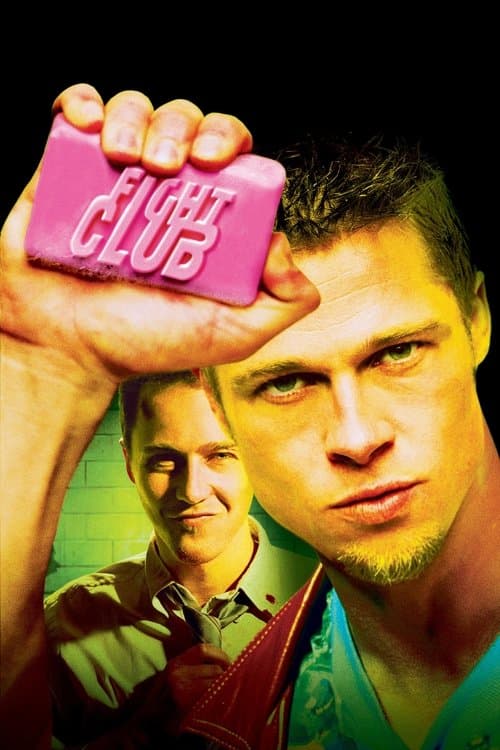
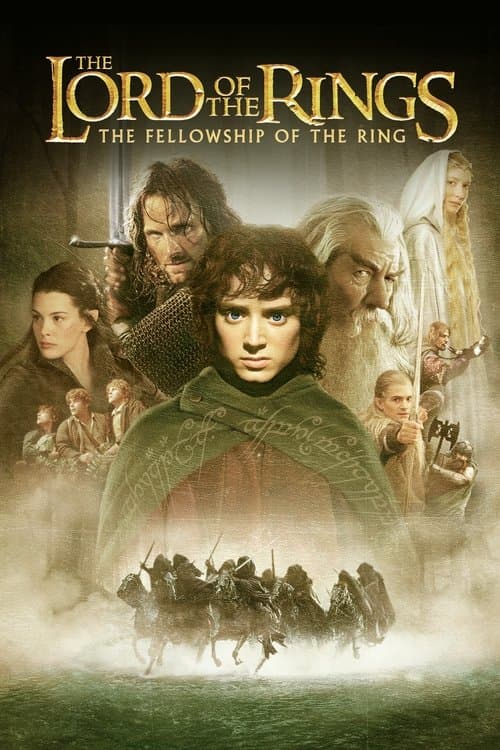
Films that share techniques with The Wizard of Oz include Where the Wild Things Are (2009), Fight Club (1999), The Lord of the Rings: The Fellowship of the Ring (2001), Your Name (2016).