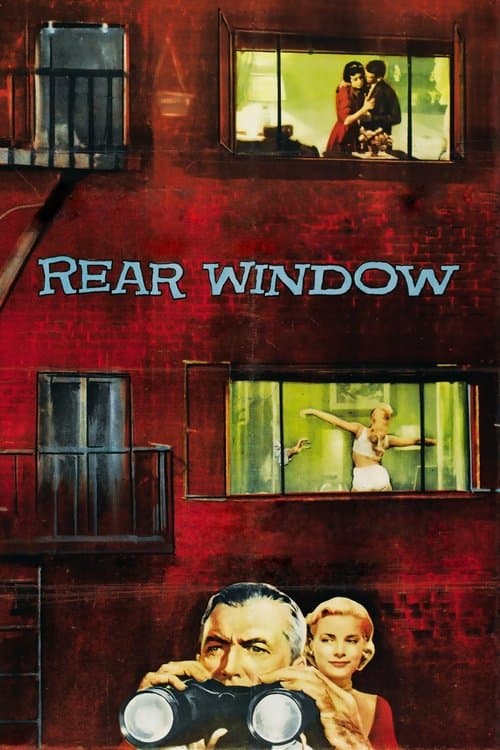
Rear Window
Alfred Hitchcock · 1954
A photographer confined to a wheelchair by a broken leg spends his recovery watching his neighbors through his apartment window, becoming convinced one of them has murdered his wife. A film about voyeurism, cinema spectatorship, and the ethics of observation.
Techniques Used
4 techniques identified in this film
Single POV Restriction
CinematographyCommitting the camera to a single character's optical perspective for an entire film — never showing what they cannot see, never moving the camera to a position they couldn't occupy — creating a formal constraint that becomes a source of both suspense and moral implication.
How this film uses it
Hitchcock and cinematographer Robert Burks almost never move the camera outside Jefferies's apartment. The audience sees only what Jeff sees, from where he sits. The spatial restriction is absolute: when the killer comes for Jeff, the audience has been trapped with him in the same narrow field of vision.
Voyeurism as Audience Mirror
PsychologyPositioning a film's protagonist as an explicit voyeur — watching others without their knowledge — and structuring the film so that the audience's viewing experience replicates and implicates the protagonist's voyeurism.
How this film uses it
Hitchcock frames Jeff's window-watching as a literal cinema: he watches a screen of lighted windows, each containing a different story. The audience watches Jeff watch — and Hitchcock periodically cuts to Jeff's face to show us watching a man who is watching. The implication is that cinema is voyeurism.
Courtyard as Narrative Stage
CinematographyDesigning a single exterior space visible from the protagonist's position as a theatrical stage on which multiple simultaneous stories play out — the space functioning as a contained narrative world.
How this film uses it
The courtyard contains the Songwriter, Miss Lonelyhearts, the Newlyweds, Miss Torso, the childless couple with the dog, and the Thorwalds — each window a separate narrative that comments on Jeff and Lisa's relationship. The space is a carefully designed anthology that is also a single argument about marriage and isolation.
The Bomb Under the Table
NarrativeHitchcock's own term for the difference between surprise and suspense: if a bomb explodes without warning, it is a surprise; if the audience knows the bomb is there and watches characters talk above it, the same scene becomes unbearable suspense.
How this film uses it
Once the audience knows Thorwald is a murderer, every subsequent scene involving Lisa and Thorwald becomes unbearable — particularly her entry into his apartment. The audience has the information; Lisa does not. The asymmetry generates pure Hitchcockian suspense.
You Might Also Like
Films that share at least one technique with Rear Window
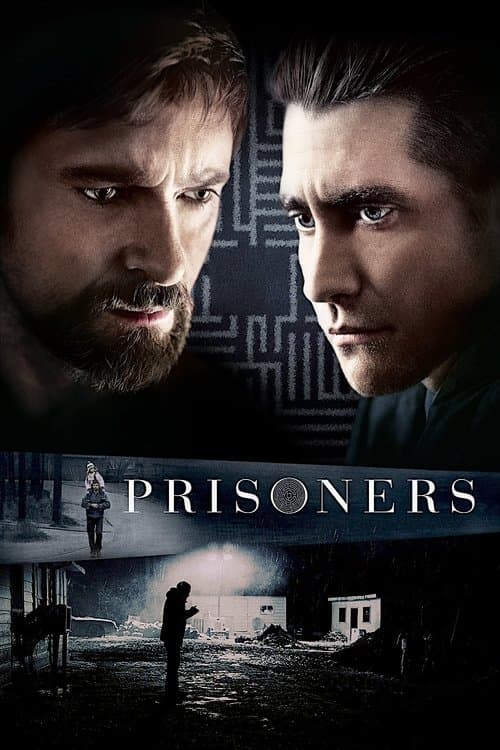
Two young girls disappear on Thanksgiving Day, and one father — unable to wait for the detective's investigation — takes justice into his own hands. A film about how quickly the desire to protect can become indistinguishable from the violence it opposes.
Prisoners
Denis Villeneuve · 2013

An advertising executive is mistaken for a government agent, pursued by foreign spies across the country, and drawn into a conspiracy that is never quite what it appears. Hitchcock's most purely pleasurable film, and the one that invented the modern action thriller.
North by Northwest
Alfred Hitchcock · 1959
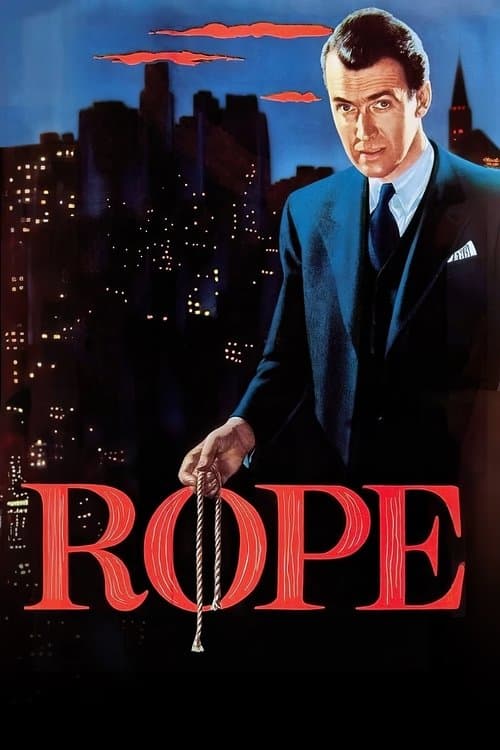
Two young men strangle a former classmate and hide his body in a chest in their apartment, then throw a dinner party for the victim's family and friends — including the prep school housemaster whose Nietzschean philosophy inspired the murder. Hitchcock's formal experiment in real-time cinema.
Rope
Alfred Hitchcock · 1948