Christian is the polite curator of a Stockholm art museum, and he is about to open an exhibit about trust and kindness. A pickpocket scheme and an ad campaign gone wrong test whether he lives up to it. Watch how Östlund keeps scenes running until you squirm.
The Square is a 2017 comedy and drama film directed by Ruben Östlund. This breakdown covers 5 techniques (3 narrative, 1 psychology and 1 cinematography), each with the scene where you can see it. If you like how it is made, Dr. T & the Women uses several of the same techniques.
Wringing laughs from awkward, humiliating or obstructive situations, so the audience squirms as characters fail to read or beat the system.
How this film uses it
Östlund holds awkward scenes past the point of comfort. A museum dinner turns into a test of how long polite people will sit through something terrible.
Where to see it
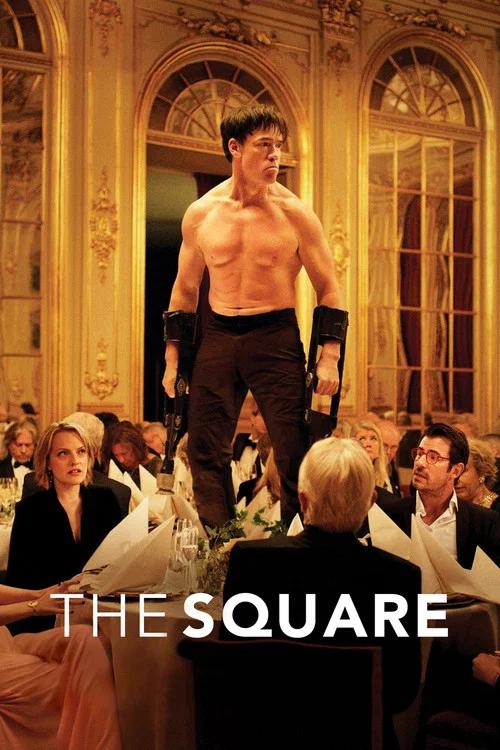
Ape dinner: Oleg, a performance artist, imitates an ape before wealthy museum patrons at a formal dinner.
Embedding a play or musical inside the film, so the staged piece mirrors or comments on the characters' real lives.
How this film uses it
The ape performance is a piece of art inside the film, and it mirrors what is happening to Christian. The guests are supposed to be the audience, yet they end up as part of the piece.
Where to see it
The performance: Oleg acts like an ape among the diners, and the room slowly stops treating it as art.
Placing people in a pressured situation where politeness and rules fall apart. The film watches panic or fear turn ordinary people into something cruder, sometimes for laughs.
How this film uses it
The guests start out polite, but the performance pushes them past the point where rules hold. You watch ordinary people turn into a crowd, which is both funny and frightening.
Where to see it
The dinner turns: The patrons react to Oleg's act and the evening falls apart.
Contrasting the buildings and rooms different social classes live in. The powerful get large, warm spaces and the powerless get cramped or exposed ones, so you see a gap nobody says aloud.
How this film uses it
Christian's polished museum and the apartment block where his phone leads are very different places. The contrast between the buildings shows the gap between the two worlds without anyone having to say it.
Where to see it
Tracking the phone: Christian traces his phone to an apartment block and sends a threatening letter, and his items are returned.
Letting one careless decision spread through media and public reaction until it takes the character's job and reputation. The pile-on shows how fast opinion turns.
How this film uses it
The museum's ad agency releases a shocking promotional clip that Christian never watched. It goes viral, people are furious, and he ends up resigning at a press conference where journalists from both sides attack him.
Where to see it
Viral clip and press conference: The promotional clip goes viral and draws outrage, and Christian announces his resignation to attacking journalists.
Questions
The Square: quick answers
What filmmaking techniques does The Square use?
CineCode breaks down 5 techniques in The Square (2017): Comedy of Discomfort, Staged Performance Within Film, Social Order Breakdown, Architectural Class Opposition and Scandal Escalation.
Who directed The Square?
Ruben Östlund directed The Square, released in 2017. CineCode also covers Triangle of Sadness (2022).
What films are similar to The Square?
Films that share techniques with The Square include Dr. T & the Women (2000), Paths of Glory (1957), Ikiru (1952), The Apartment (1960).