A bureaucrat has spent 30 years doing meaningless government work. He finds out he has stomach cancer and less than a year to live, and he uses the time he has left to build a children's playground. This is Kurosawa's most humane film. It asks what it takes to make a life matter.
Ikiru is a 1952 drama film directed by Akira Kurosawa. This breakdown covers 5 techniques (3 narrative, 1 sound and 1 cinematography), each with the scene where you can see it. If you like how it is made, Midsommar uses several of the same techniques.
Wringing laughs from awkward, humiliating or obstructive situations, so the audience squirms as characters fail to read or beat the system.
How this film uses it
The opening sequences follow a community petition through the public works department. It gets bounced from section to section and nothing is resolved. The satire has a job to do here. It shows you the system Watanabe has run for 30 years, the same one he now has to beat from the inside. The comedy and the tragedy come from the same machinery.
Where to see it
The petition sequence. The camera follows the women through every department as each bureaucrat passes them to the next. The shot becomes a long look at how institutions refuse to move.
Starting the film by showing or telling you how it ends, such as the main character's death or defeat. The rest of the story then explains how things got there.
How this film uses it
Kurosawa shows you Watanabe's death, then cuts to his wake. The whole second half of the film looks backward. The mourners argue about what Watanabe did in his final months, why he changed and what it meant. With the order flipped, you already know how it ends, and you have to discover what it means.
Where to see it
The wake sequence. The flashbacks come as the mourners piece together Watanabe's final months from the little each of them knows.
Returning to the same physical object again and again until it means more than what it is. It moves the plot and also stands for the film's main ideas.
How this film uses it
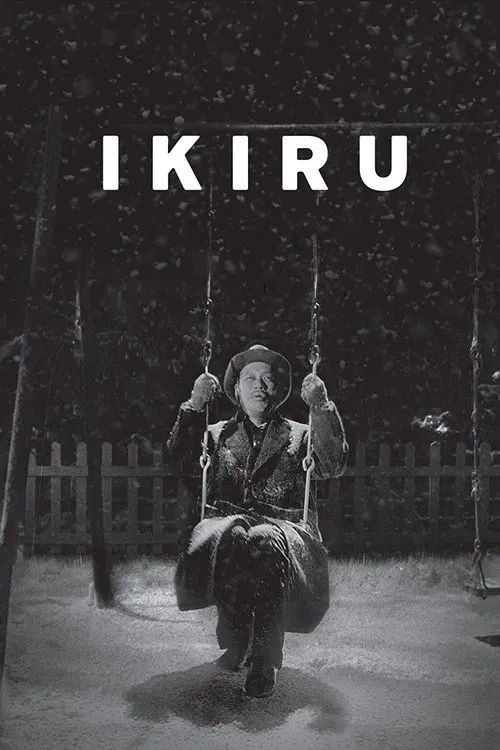
The playground's swing set is where Watanabe sits in the snow, singing, in his last moments. The film ends with children playing in the playground he built. The swing set outlasts the man, and what lasts is the fact that he made it. The camera treats the spot as sacred.
Where to see it
Watanabe on the swing in the snow. It's the final image of the man who made the place where the children now play.
Repeating a short piece of music or a sound every time a certain character, idea or feeling comes up. You learn to connect the 2.
How this film uses it
'Life Is Brief' ('Gondola no Uta') is first heard in a nightclub, where Watanabe sings it himself as a lament. It comes back at the end, when Watanabe finally understands what he wants. In his last moments, he sings it alone on the swing. Over the course of the film, the tune has gone from a song of loss to something deeply content.
Where to see it
Watanabe singing in the snow. The melody that started as background music now carries the weight of everything the film has built.
Pausing on a wordless dreamlike image, such as a distant look, a blinding light or falling snow. The picture alone tells you what a character longs for or accepts.
How this film uses it
Snow falls on Watanabe's final night and makes the playground feel like it sits outside ordinary time. He has spent months fighting the bureaucracy to clear this swampy lot. Now, snow falls on what he accomplished. The weather that belonged to the past becomes the setting where he rises above his old life.
Where to see it
The final night. Watanabe swings in the snow while the falling white covers the place he made. It's the last image of him.
Questions
Ikiru: quick answers
What filmmaking techniques does Ikiru use?
CineCode breaks down 5 techniques in Ikiru (1952): Comedy of Discomfort, Proleptic Opening, Symbolic Object, Leitmotif and Lyrical Yearning Image.
Who directed Ikiru?
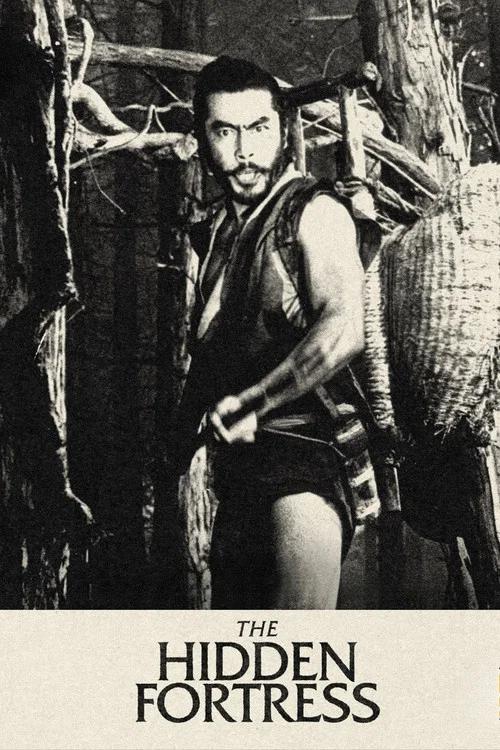
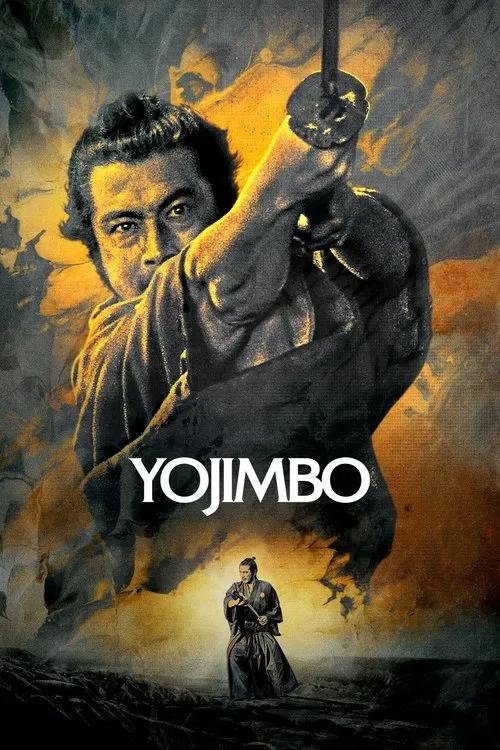
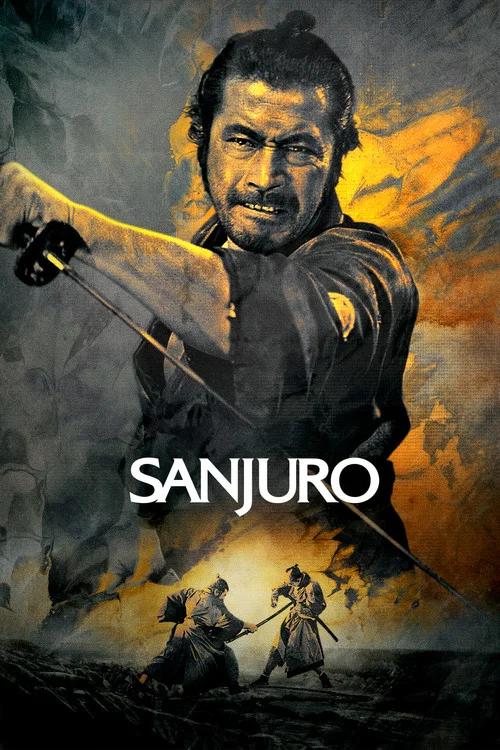
Akira Kurosawa directed Ikiru, released in 1952. CineCode also covers Rashomon (1950), Seven Samurai (1954), Throne of Blood (1957), The Hidden Fortress (1958), Yojimbo (1961), Sanjuro (1962).
What films are similar to Ikiru?
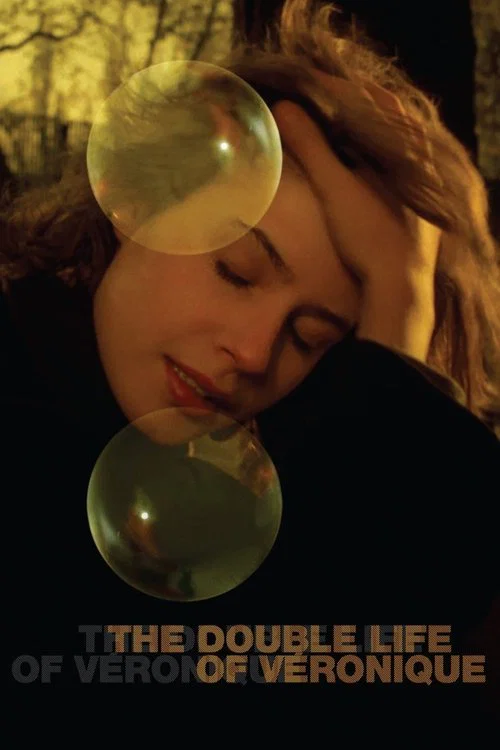
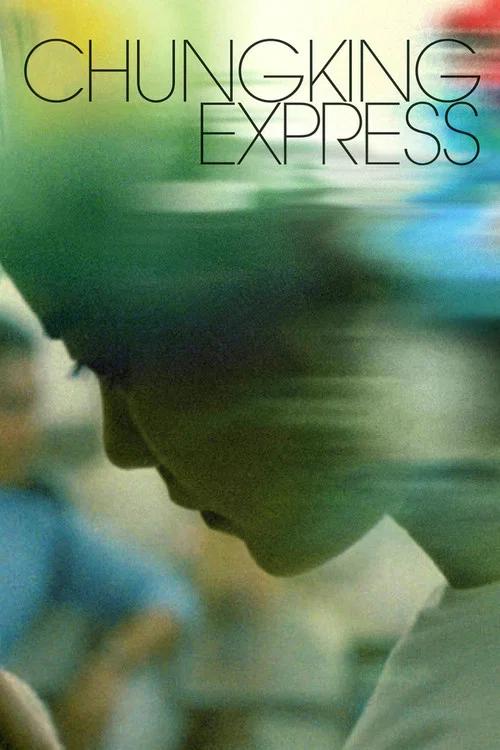
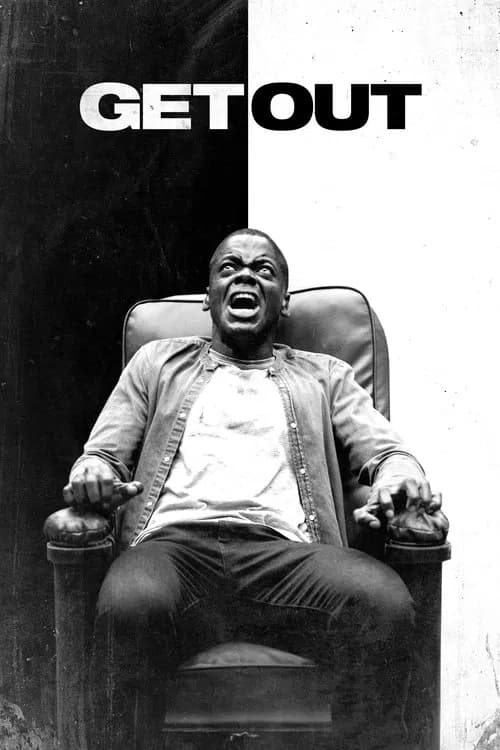
Films that share techniques with Ikiru include Midsommar (2019), The Double Life of Véronique (1991), Chungking Express (1994), Get Out (2017).