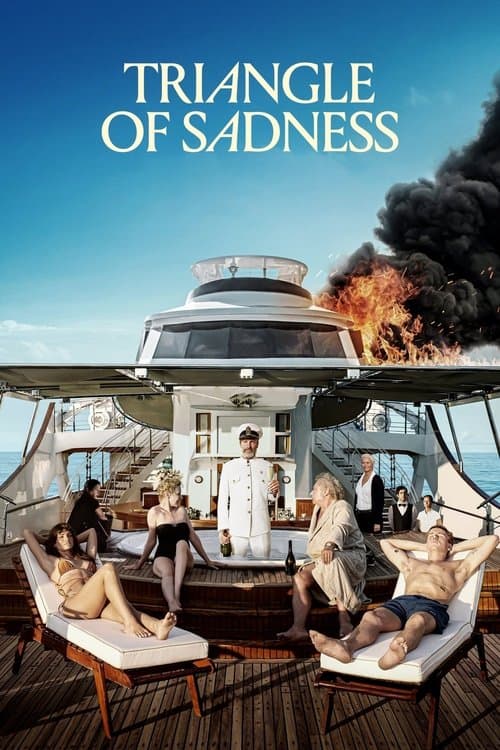
A male model and his influencer girlfriend are invited onto a luxury yacht full of the ultra-wealthy and their staff. A catastrophic storm hits, then a shipwreck, and the social order is turned completely upside down. Ruben Östlund's film is a 3-act attack on class, beauty and the way people perform power.
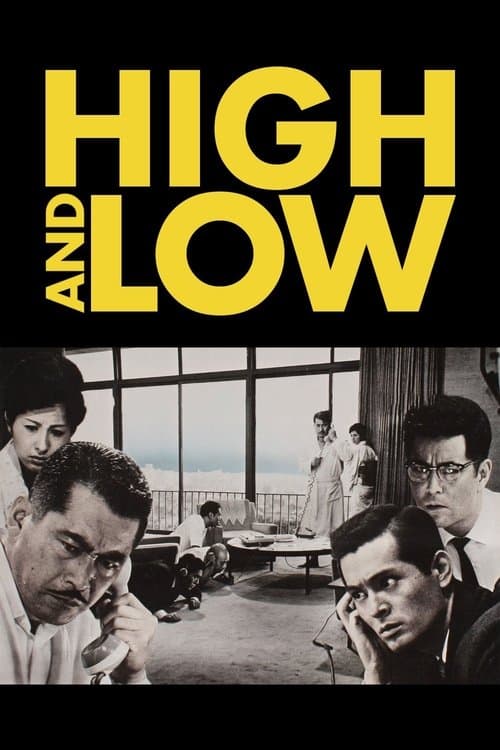
Triangle of Sadness is a 2022 comedy, drama and satire film directed by Ruben Östlund. This breakdown covers 4 techniques (3 narrative and 1 cinematography), each with the scene where you can see it. If you like how it is made, High and Low uses several of the same techniques.
Using absurd humor, farce and caricature to attack a political target. The jokes make the target look ridiculous and get past defenses that a serious argument would hit.
How this film uses it
Östlund stages the yacht's disastrous dinner as pure gross-out comedy. The ultra-rich vomit and slide through their own waste while the captain delivers communist speeches. The real target is the class system that put them all there.
Where to see it
The storm dinner sequence. Guests slide, vomit and get hit by flying objects. Meanwhile, the Russian oligarch and the Marxist captain trade quotes over the intercom.
Contrasting the buildings and rooms different social classes live in. The powerful get large, warm spaces and the powerless get cramped or exposed ones, so you see a gap nobody says aloud.
How this film uses it
The yacht is laid out like a map of class from top to bottom. The wealthy are above deck in the sun and the staff are below in carefully designed comfort. The shipwreck swaps who gets which space, and the whole film is built around that swap.
Where to see it
The survival island, where Abigail the toilet manager turns out to be the new person at the top. Practical skill now decides who controls the space, and inherited wealth stops counting.
Switching to a clearly different look and mood from one part to the next, either between chapters of 1 film or between a film and its sequel.
How this film uses it
The film has 3 chapters and each has its own tone. The first is a satire of the modeling industry, the second is a grotesque comedy on a luxury yacht and the third is a power reversal on a desert island. Each one resets what kind of film you think you are watching.
Where to see it
The chapter transition from the yacht chaos to the island. The tone resets, and you are left working out what you just survived and what comes next.
Mocking a specific world, such as an industry, an institution or consumer culture, by exaggerating what is already there. A sci-fi future built from present trends can do this with no direct argument.
How this film uses it
The yacht is more than a backdrop. It works like a machine that produces the absurdities of extreme wealth and puts them on show. You see the service economy, the performance of luxury and the social agreements that wealth both needs and destroys.
Where to see it
The crew ordered to swim in the sea because a guest insists. It happens before the storm, and the food left out too long makes the guests sick at the captain's dinner. The guests' whim looks like generosity and ends up making them ill.
Questions
Triangle of Sadness: quick answers
What filmmaking techniques does Triangle of Sadness use?
CineCode breaks down 4 techniques in Triangle of Sadness (2022): Black Comedy as Political Weapon, Architectural Class Opposition, Tonal Succession and Environmental Satire.
Who directed Triangle of Sadness?
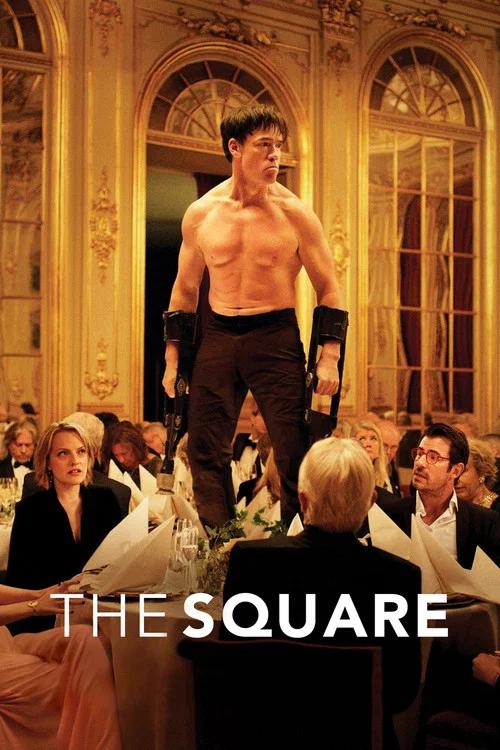
Ruben Östlund directed Triangle of Sadness, released in 2022. CineCode also covers The Square (2017).
What films are similar to Triangle of Sadness?
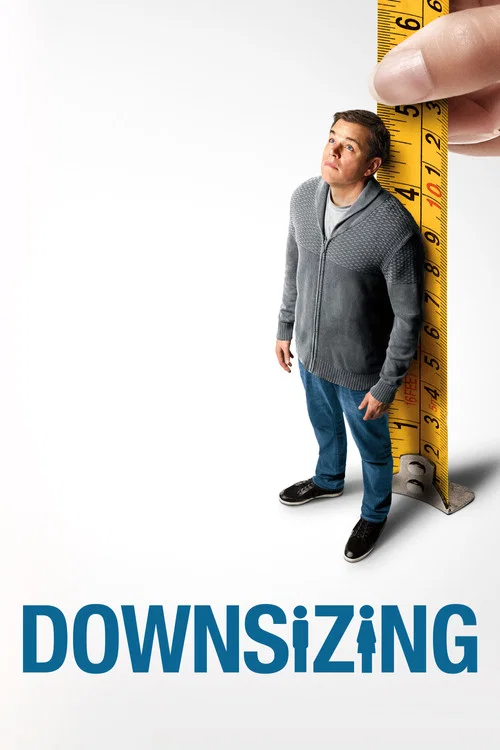
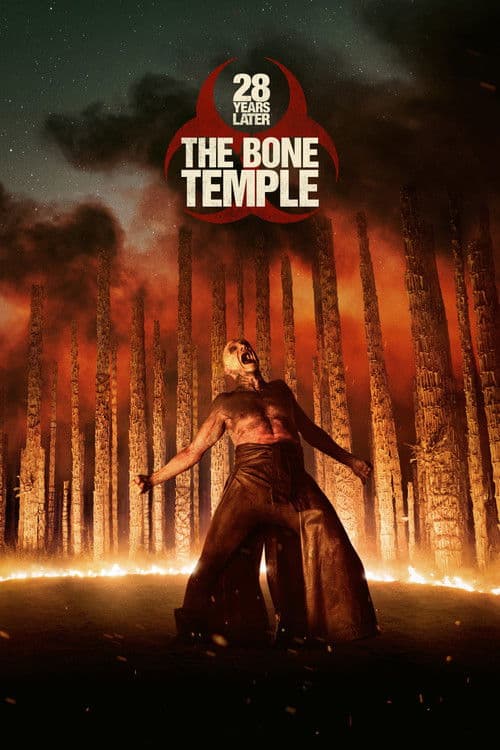
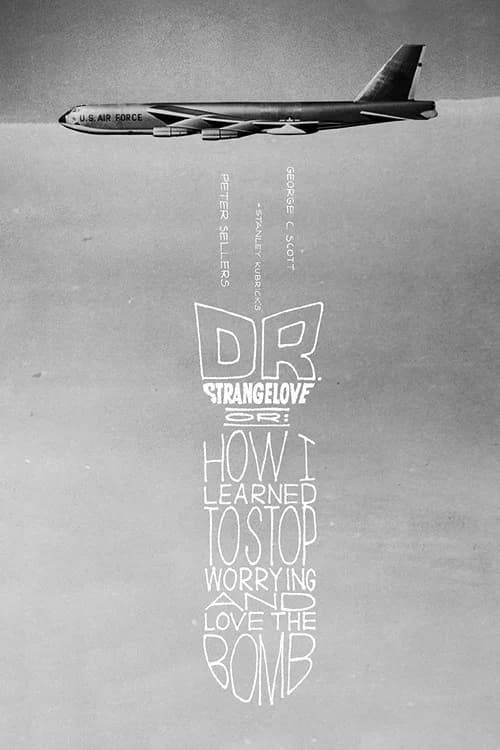
Films that share techniques with Triangle of Sadness include High and Low (1963), Downsizing (2017), 28 Years Later: The Bone Temple (2026), Dr. Strangelove (1964).