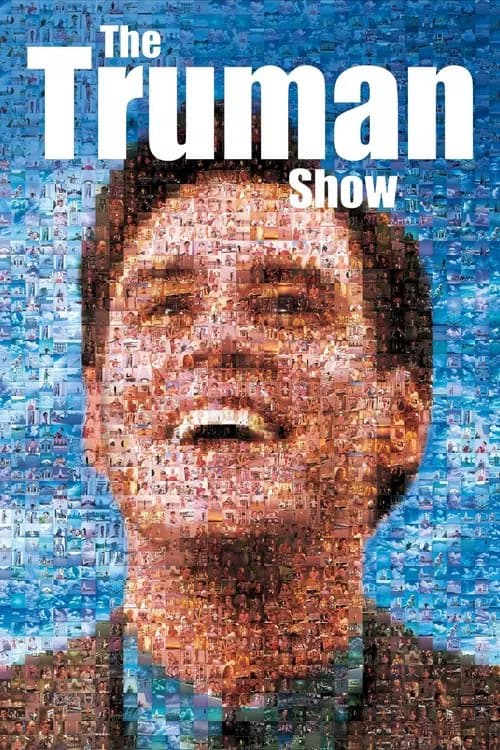
A man has lived his whole life as the star of a live television broadcast without knowing it, and he starts to notice the cracks in his reality. It's one of the most forward-looking films of the 1990s. It saw a culture of surveillance and performed authenticity coming.
The Truman Show is a 1998 comedy, drama and science fiction film directed by Peter Weir. This breakdown covers 5 techniques (2 cinematography, 2 narrative and 1 psychology), each with the scene where you can see it. If you like how it is made, Asteroid City uses several of the same techniques.
Shooting with the look of surveillance footage: fish-eye lenses, hidden or high angles, static wide frames and cameras placed inside objects. You feel like you are watching remotely, and the image looks strange.
How this film uses it
Peter Weir and cinematographer Peter Biziou built the film's look around hidden cameras. Weir, Biziou and production designer Dennis Gassner researched real surveillance techniques for certain shots. The angles tell you somebody is watching. Because of that choice, every shot carries the film's moral question.
Where to see it
The dashboard camera angle. Truman talks to himself in the car, and the lens shows that his most private moments are the most watched ones.
Building a set so complete, with its own weather, crowds, architecture and social rules, that it feels lived in. It reads as real until one deliberate slip shows that it was built.
How this film uses it
Seahaven was shot mostly on location in the real town of Seaside, Florida. It has no crime, no bad weather and no social conflict, and that perfection is what eventually gives it away. Weir designed the set to be slightly too perfect. The lighting is too even, the community is too harmonious and the architecture is too consistent.
Where to see it
The repeated extras. Truman notices the same cars circling through his neighborhood, and the workings of the set start to show.
Running 2 layers at once: the story and a commentary on how that story is being told, such as its own broadcast. The layers comment on each other and make you complicit in the watching.
How this film uses it
You watch Truman, and you also watch the people watching Truman: the bar audience, the bathtub viewers and Christof in the control room. You're in both positions at once. As a matter of fact, the film makes you feel the ethical problem with your own watching. You don't get to sit outside it as a critic.
Where to see it
The bar audience watching Truman's crisis. The film cuts between Truman's distress and the audience getting emotionally caught up in it. The moral question about watching is right there on screen.
Building the story around a character slowly finding out that their reality is constructed. The film uses this to ask how anyone can check that what they experience is real.
How this film uses it
Truman's investigation starts with small things that don't fit. A light falls from the sky, and the radio accidentally broadcasts his location. From there, he tests what he knows step by step. The film maps the stages a person goes through when they start to question what they've always taken for granted.
Where to see it
Truman trying to escape the island. Increasingly implausible occurrences block his path, and each one is another layer of the built world pushing back against his search.
Openly comparing a creator and his subject to God and humanity. The creator built a world for a being he loves and also controls completely.
How this film uses it
Christof's name is no coincidence. He speaks to Truman from above through the set's speaker system. He controls the weather, introduces people, removes obstacles and decides when Truman sleeps. The film presents his love for Truman as real. Then it asks whether real love can exist alongside total control, which is also a question people ask about God.
Where to see it
Christof's voice from the sky. He says 'I am the creator' and then 'of a television show'. The God parallel is spelled out and immediately punctured.
Questions
The Truman Show: quick answers
What filmmaking techniques does The Truman Show use?
CineCode breaks down 5 techniques in The Truman Show (1998): Surveillance Camera Grammar, Set as Total World, Double Narrative Layer, Reality Epistemology Theme and Creator-God Parallel.
Who directed The Truman Show?
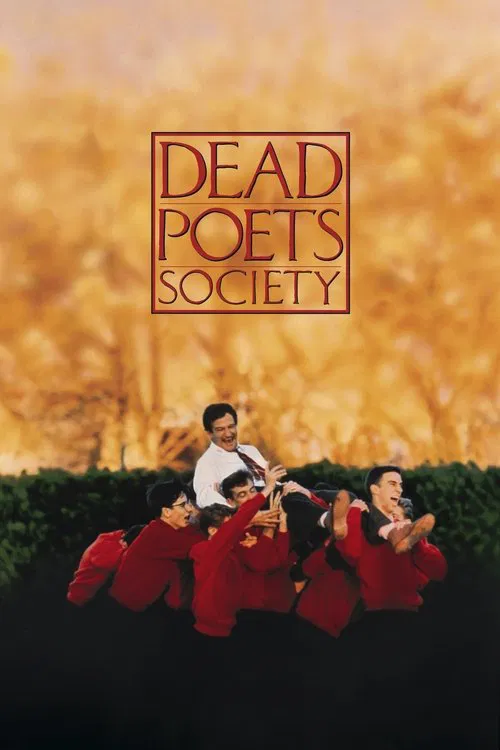
Peter Weir directed The Truman Show, released in 1998. CineCode also covers Dead Poets Society (1989).
What films are similar to The Truman Show?
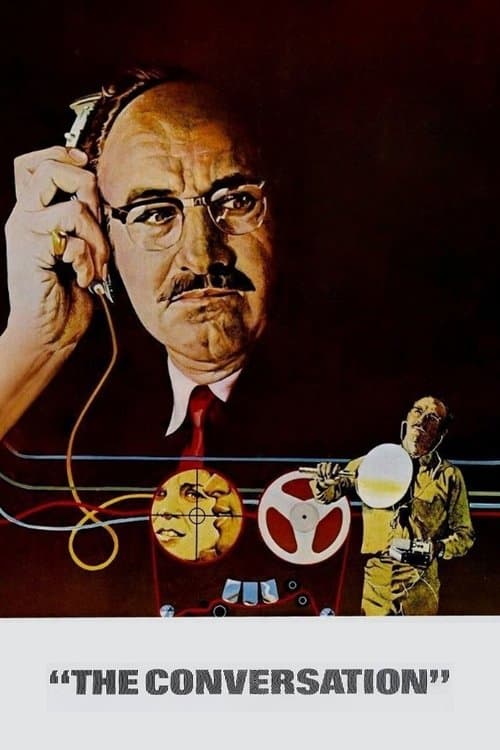
Films that share techniques with The Truman Show include Asteroid City (2023), The Conversation (1974), May December (2023), Life of Pi (2012).