Crime · Mystery · Thriller

Following

Christopher Nolan, 1998

A lonely young writer in London starts following strangers for story ideas. One of them, a burglar named Cobb, catches him and brings him along on break-ins, and Bill gets pulled into a scheme he never sees coming. Nolan made it for about $6,000 on weekends, and his puzzle-box style is already here.

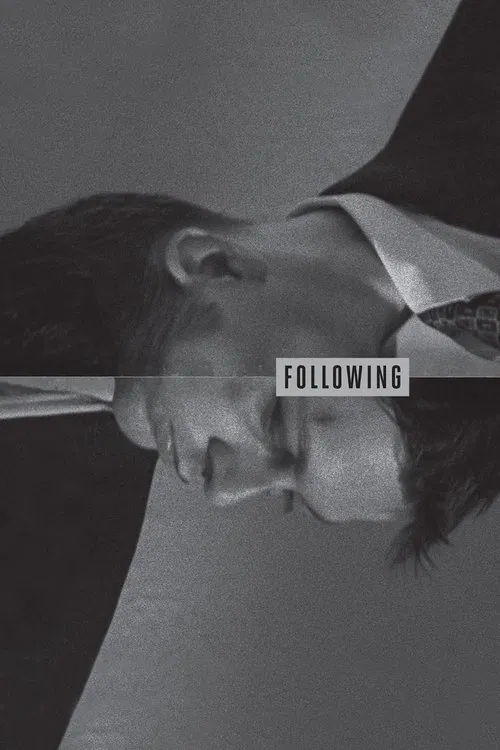
Following (1998) poster

At a glance

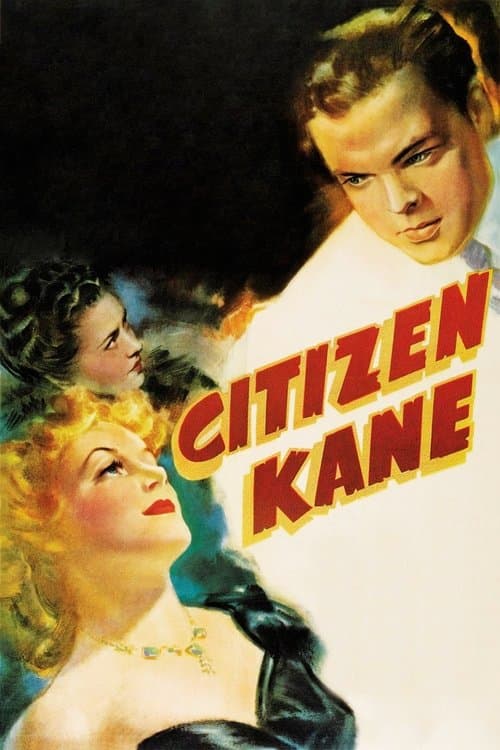
Following is a 1998 crime, mystery and thriller film directed by Christopher Nolan. This breakdown covers 5 techniques (2 narrative, 2 cinematography and 1 editing), each with the scene where you can see it. If you like how it is made, Citizen Kane uses several of the same techniques.

Narrative

Non-Linear Narrative

Telling the story out of order by jumping between time periods. The order you see events in changes how you understand them.

How this film uses it

The story is cut into separate timelines and shuffled together. You see Bill meeting Cobb, Bill deep in the burglaries and Bill after it has gone wrong, all out of order. You keep fitting the pieces together, and the order hides how Bill is being played.

Where to see it

The opening at the police station. Bill starts telling his story, and the film jumps between his first days following people and later scenes where he looks completely different.
Narrative

Frame Narrative as Trap

Wrapping the story inside another story that turns out to be a trap or a deception. The listener, or you as the viewer, gets locked into the teller's version before realizing what it is for.

How this film uses it

Bill tells the whole story to a policeman, sure that it explains his part in the burglaries. By the end, his confession is what traps him. Cobb planned for it, and the murder points straight at Bill.

Where to see it

The end of Bill's confession. The police link the Blonde's murder to the hammer Bill used earlier, while Cobb has vanished.

Cinematography

Handheld Cinema Vérité

Shooting with a handheld camera so the frame shakes and moves with the action. This documentary-style look, called cinema vérité, puts you uncomfortably close to the character.

How this film uses it

Nolan shot on black-and-white 16mm film with a handheld camera and whatever light came through the windows. The cast and crew had day jobs, so they filmed on weekends over about a year. The rough look makes the break-ins feel like you're sneaking in with them.

Where to see it

The first break-in with Cobb. The camera follows them through a stranger's flat as Cobb goes through the owner's private things.

Cinematography

Voyeuristic Implication

Placing the camera like a hidden watcher, looking through peepholes, around corners and from concealed spots. You become part of the spying, which makes watching feel morally uneasy.

How this film uses it

The film starts with watching. Bill picks strangers in the street and trails them, and the camera follows from behind him. You're spying along with him, which makes you a little complicit.

Where to see it

Bill on following. In voiceover, he explains how he picked strangers out of the crowd and trailed them through London.

Editing

Visual Timeline Markers

Giving a character a clearly different look in each timeline, such as a new haircut or clothes. When the film cuts between periods, you can place each scene at a glance.

How this film uses it

In the earliest scenes, Bill has long messy hair and scruffy clothes. Later, he has short hair and a dark suit. Because the timelines are shuffled, his look works as your clock.

Where to see it

Bill's makeover. He cuts his hair, starts wearing a dark suit and calls himself Daniel Lloyd, and from then on the new look tells you which part of the story you're in.

Questions

Following: quick answers

What filmmaking techniques does Following use?
CineCode breaks down 5 techniques in Following (1998): Non-Linear Narrative, Frame Narrative as Trap, Handheld Cinema Vérité, Voyeuristic Implication and Visual Timeline Markers.
Who directed Following?
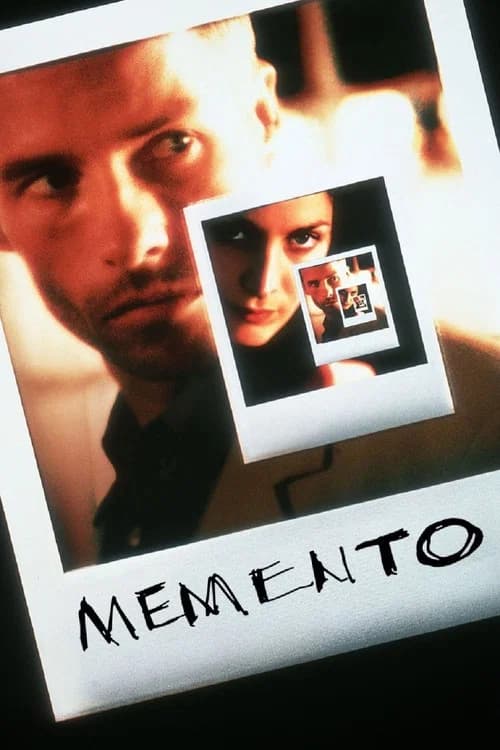
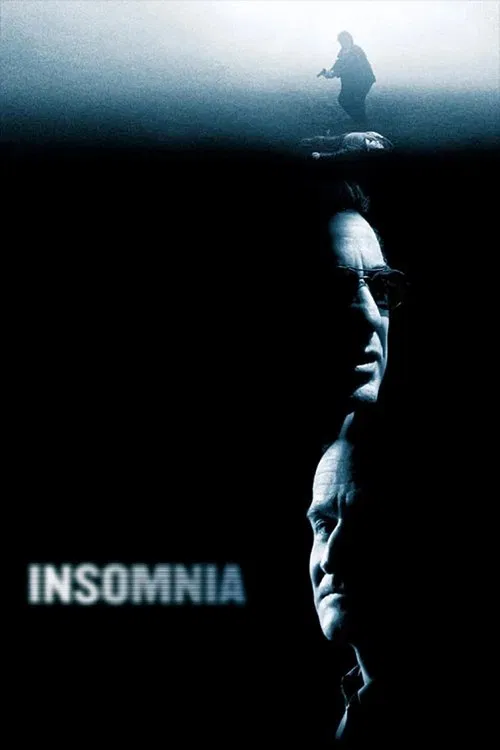
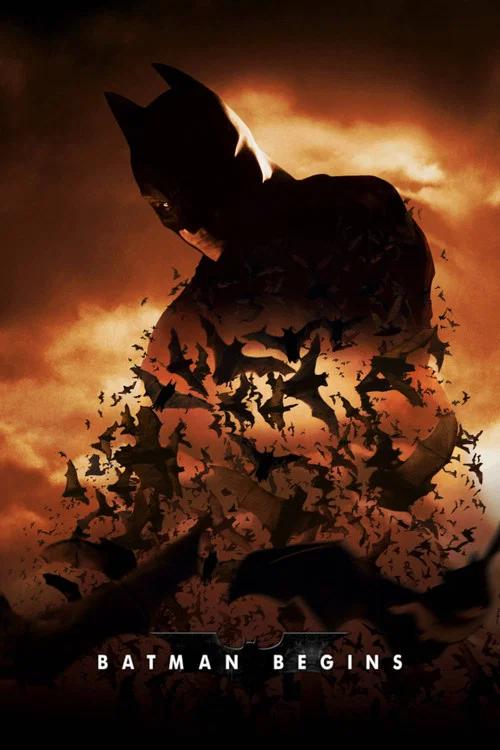
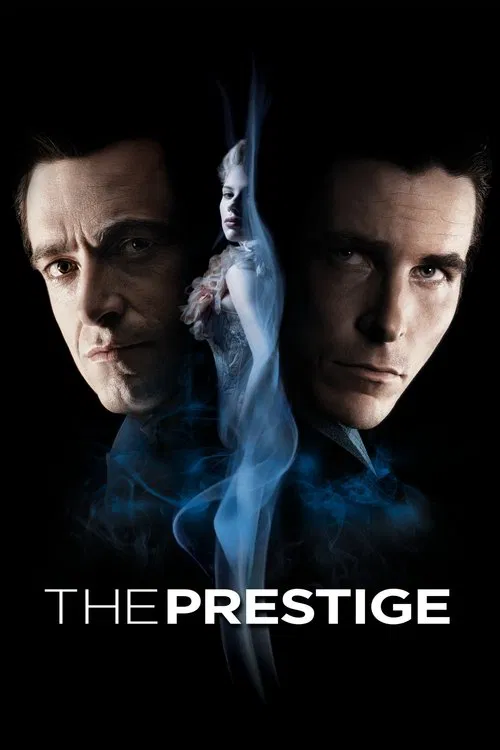
Christopher Nolan directed Following, released in 1998. CineCode also covers Memento (2000), Insomnia (2002), Batman Begins (2005), The Prestige (2006), The Dark Knight (2008), Inception (2010).
What films are similar to Following?
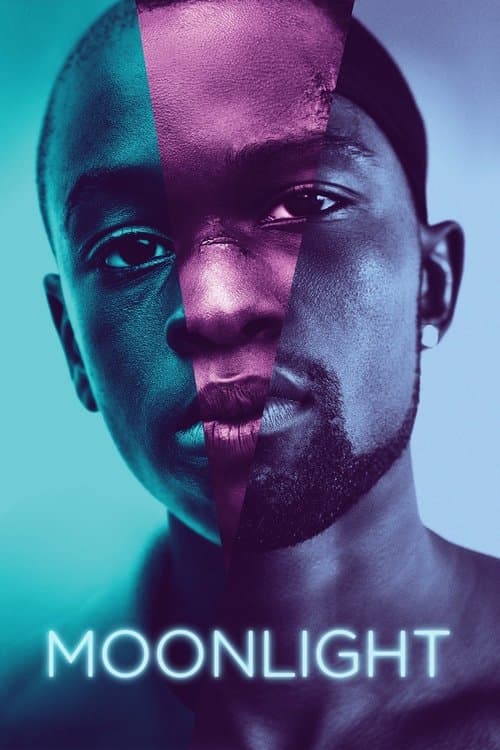
Films that share techniques with Following include Citizen Kane (1941), Moonlight (2016), Amores Perros (2000), Killer's Kiss (1955).