Drama · Romance

Great Expectations

Alfonso Cuarón, 1998

Cuarón moves Dickens to the Florida coast and 1990s New York. Finn, a poor boy who loves to draw, falls for the rich, cold Estella and later gets a mysterious chance to become a painter in Manhattan. It's an uneven film and a very good-looking one. Watch the color green, which is everywhere.

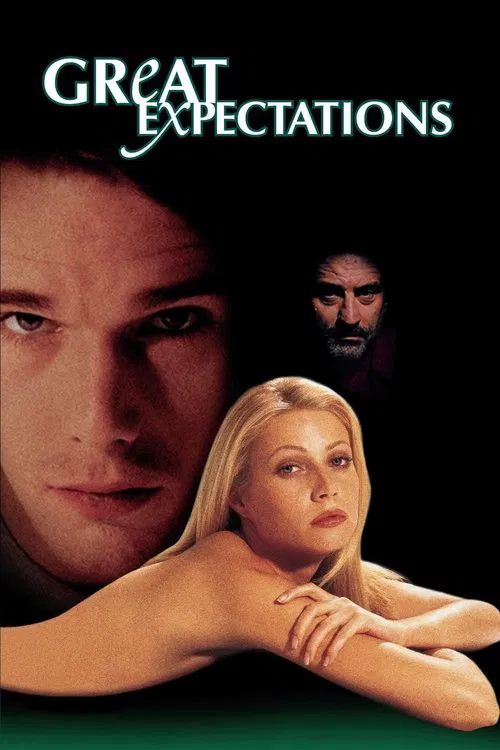
Great Expectations (1998) poster

At a glance

Great Expectations is a 1998 drama and romance film directed by Alfonso Cuarón. This breakdown covers 4 techniques (2 cinematography, 1 narrative and 1 psychology), each with the scene where you can see it. If you like how it is made, Great Expectations uses several of the same techniques.

Cinematography

Color Palette as Worldbuilding

Limiting the film to a tightly chosen set of colors, or giving each place or state its own set. The colors tell you about the world and its mood without dialogue.

How this film uses it

Cuarón and Emmanuel Lubezki use green as the main color. It shows up in the Gulf Coast water, the overgrown mansion and even Estella's clothes. The color holds Finn's whole world together, from childhood to New York.

Where to see it

Finn's first visit to Paradiso Perduto. Young Finn walks through the overgrown green grounds of the mansion and meets Estella for the first time.

Cinematography

Gothic Mansion Symbolism

Setting the story in a large, decaying or out-of-date house that mirrors its owner's mind. The building shows the feelings and history that keep the people inside trapped.

How this film uses it

Ms. Dinsmoor's mansion is called Paradiso Perduto, which means paradise lost. The real Ringling mansion in Sarasota was dressed to look decayed and overgrown. It rots around her the way her life stopped when she was left at the altar.

Where to see it

Ms. Dinsmoor's warning. In her crumbling home, she tells young Finn he will fall in love with Estella and get his heart broken.

Narrative

Retrospective Voiceover

Having a narrator tell the story from some point after it happened. The events feel like memory, and you sense early on that something will be lost.

How this film uses it

Finn narrates the story as an adult looking back. The voiceover was added after editing, and producer Art Linson brought in David Mamet to write it. It ties the stylish scenes together and makes everything feel like memory.

Where to see it

The beach. Finn's narration opens the film as the young boy plays on the Gulf Coast shore, just before the escaped convict grabs him.

Psychology

The Gaze

Paying attention to who is looking, who is being looked at and whose eyes the camera borrows. Looking becomes a form of power in the story.

How this film uses it

Finn is a painter, so the film is all about him looking at Estella and her letting herself be looked at. She controls the looking, and that gives her the power. The portraits on screen were painted by the artist Francesco Clemente.

Where to see it

The portrait session. Estella shows up at Finn's New York apartment and poses nude for him while he draws.

Questions

Great Expectations: quick answers

What filmmaking techniques does Great Expectations use?
CineCode breaks down 4 techniques in Great Expectations (1998): Color Palette as Worldbuilding, Gothic Mansion Symbolism, Retrospective Voiceover and The Gaze.
Who directed Great Expectations?
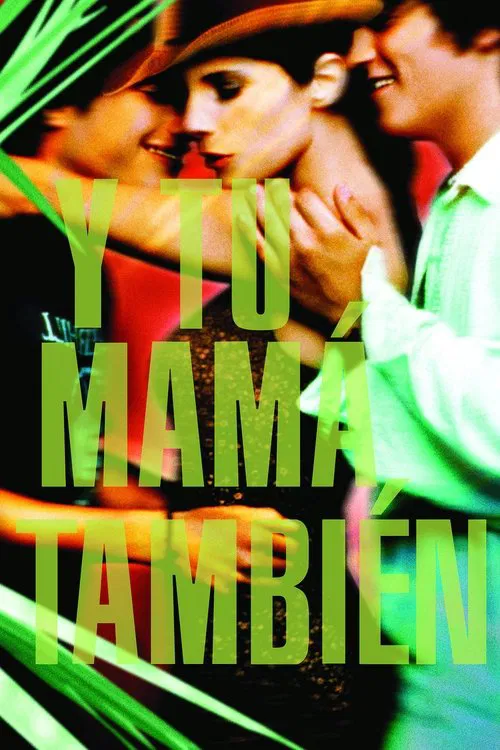
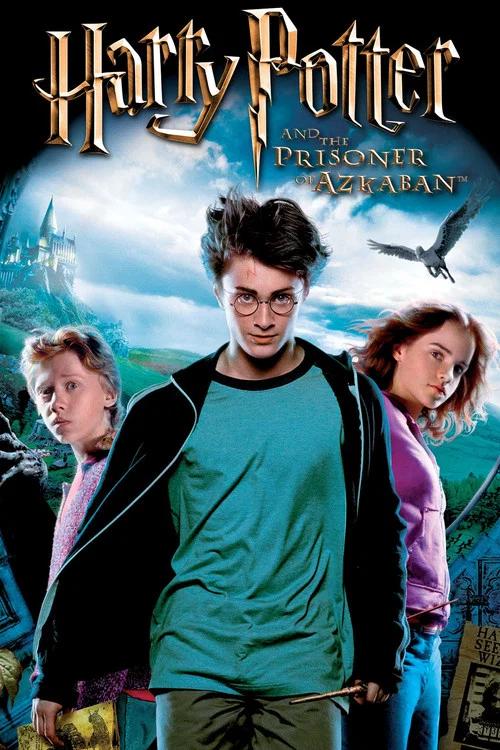
Alfonso Cuarón directed Great Expectations, released in 1998. CineCode also covers A Little Princess (1995), Y Tu Mamá También (2001), Harry Potter and the Prisoner of Azkaban (2004), Children of Men (2006), Gravity (2013), Roma (2018).
What films are similar to Great Expectations?
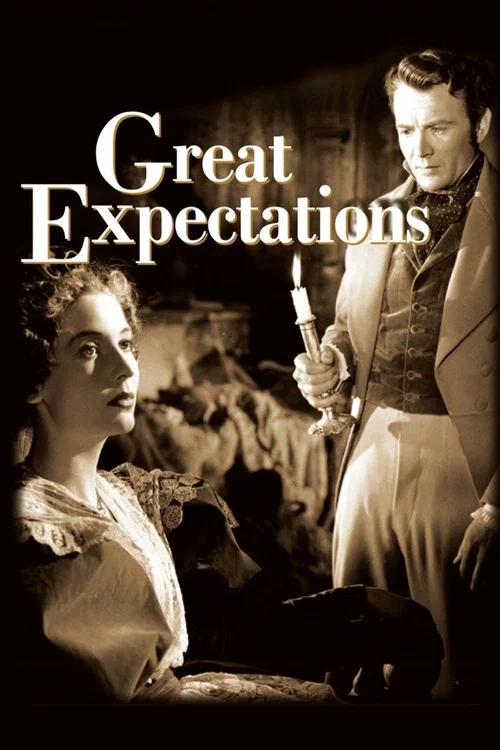
Films that share techniques with Great Expectations include Great Expectations (1946), The Virgin Suicides (2000), Road to Perdition (2002), Get Out (2017).