Drama · Crime · Thriller

The Wrong Man

Alfred Hitchcock, 1956

A jazz musician at New York's Stork Club is mistaken for a hold-up man, arrested and tried while his wife falls apart. Based on a true story, it is Hitchcock at his quietest.

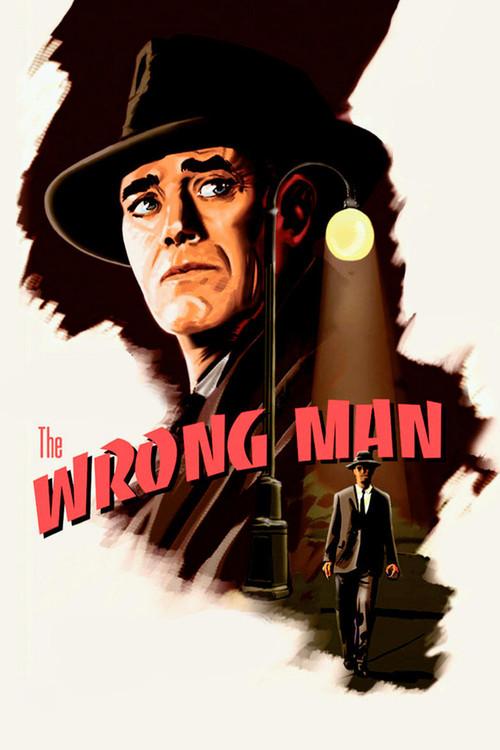
The Wrong Man (1956) poster

At a glance

The Wrong Man is a 1956 drama, crime and thriller film directed by Alfred Hitchcock. This breakdown covers 5 techniques (3 narrative, 1 cinematography and 1 psychology), each with the scene where you can see it. If you like how it is made, Winter Light uses several of the same techniques.

Narrative

Wrong Man Plot

Making an innocent person look guilty through coincidence and circumstantial evidence, while the audience knows or senses the truth. Everyday life turns dangerous because nobody believes them.

How this film uses it

Manny only wants to borrow money on his wife's insurance policy. The office staff think he is the man who robbed them twice. The police find that he matches the descriptions, so everything he does makes him look guiltier.

Where to see it

The insurance office. Staff mistake Manny for a robber when he walks in, and the police later match his handwriting to a holdup note, including the same misspelling.
Narrative

Observational Restraint

Watching events from a measured distance with no swelling music, tear-jerking close-ups or showy camera moves. The film trusts what happens to carry the weight on its own.

How this film uses it

Hitchcock holds back his usual flourishes. Bernard Herrmann wrote one of his most subdued scores for the film. The camera watches Manny get processed by a system, and the plain approach makes the injustice feel real.

Where to see it

The arrest and lineup. Manny is picked out of a police lineup by a witness and arrested for armed robbery.

Narrative

Direct Address

Having a character look into the camera and speak to the audience, also called breaking the fourth wall. It makes you feel like their confidant and reminds you this is a film.

How this film uses it

Before the credits, Hitchcock appears in silhouette in a darkened studio and tells you the story is true. It is a short, quiet piece of speaking to the audience, and it sets a serious tone. You are told to treat what follows as fact.

Where to see it

The prologue. Hitchcock stands in silhouette and tells the audience that what they are about to see is a true story.

Cinematography

Real Locations as Character

Filming in recognizable real places so the setting acts like part of the cast. Streets, buildings and landscapes shape the mood of the story.

How this film uses it

Hitchcock filmed in the real places from the case, including Jackson Heights in Queens where Manny lived. The Stork Club owner played himself, and the prison scenes were shot among actual convicts in a New York prison. It looks and feels like a record.

Where to see it

The Stork Club. Manny plays in the band at the real club, and its owner appears as himself.

Psychology

Wrongful Accusation Pressure

Putting an innocent person under blame or suspicion and showing the damage it does to them and those near them. The accusation distorts the community's judgment.

How this film uses it

The crisis breaks Manny's wife Rose as much as it threatens him. She loses her grip on reality and is institutionalized. Even after Manny is cleared, she stays unresponsive, and the film shows the cost.

Where to see it

Rose's breakdown. Rose suffers a psychotic break and is sent to an institution, while Manny's legal troubles continue.

Questions

The Wrong Man: quick answers

What filmmaking techniques does The Wrong Man use?
CineCode breaks down 5 techniques in The Wrong Man (1956): Wrong Man Plot, Observational Restraint, Direct Address, Real Locations as Character and Wrongful Accusation Pressure.
Who directed The Wrong Man?
Alfred Hitchcock directed The Wrong Man, released in 1956. CineCode also covers The 39 Steps (1935), The Lady Vanishes (1938), Rebecca (1940), Suspicion (1941), Saboteur (1942), Shadow of a Doubt (1943).
What films are similar to The Wrong Man?
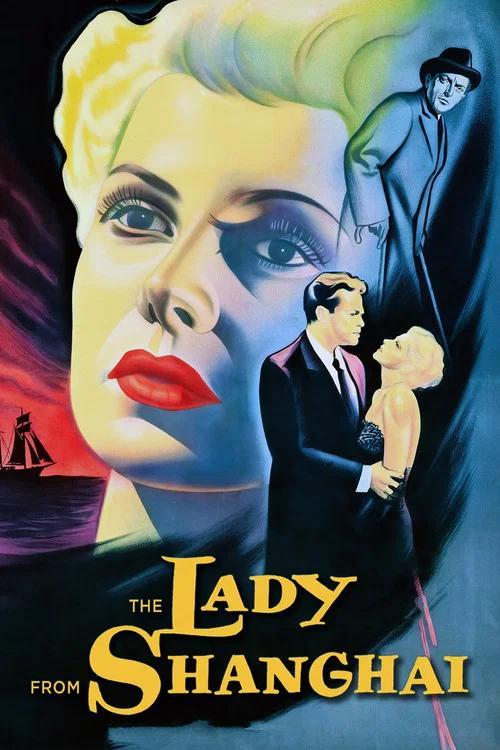
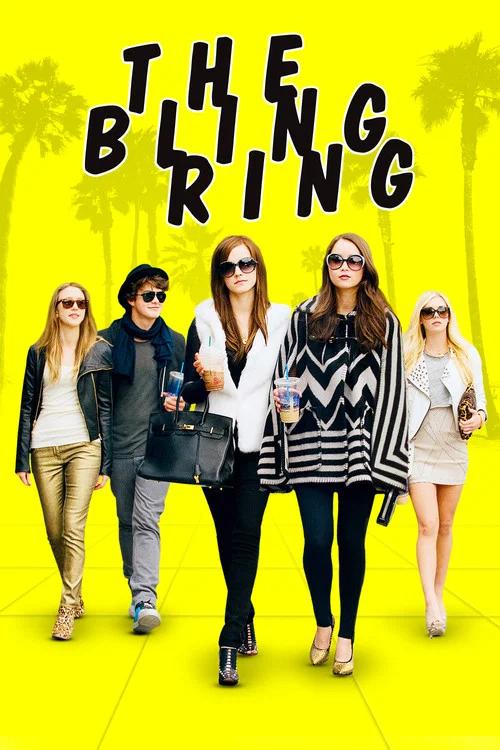
Films that share techniques with The Wrong Man include Winter Light (1963), Whatever Works (2009), The Lady from Shanghai (1947), The Bling Ring (2013).