Terrible things, said calmly
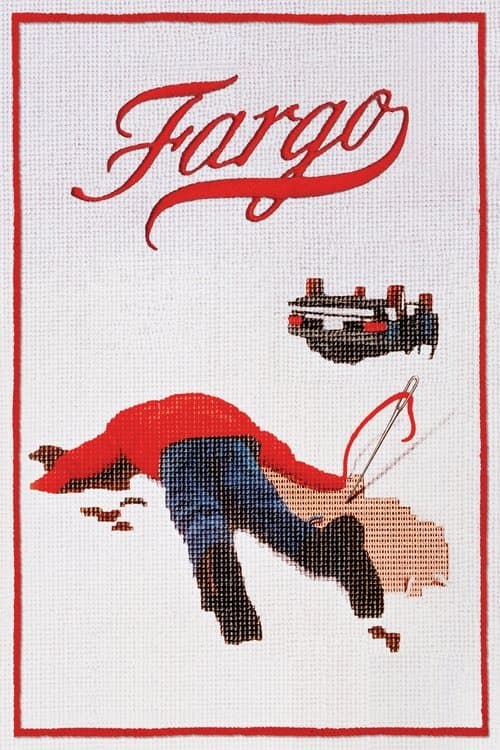
The Coens' comedy comes from the gap between what happens and how people react. In Fargo (1996), the characters talk about kidnapping and getting rid of bodies in the same flat tone as restaurant orders. Marge examines a highway murder scene, heavily pregnant and thorough, and then orders lunch with the same attention. Evil in that film is ordinary, dull and stupid, and a normal, competent person is what threatens it.
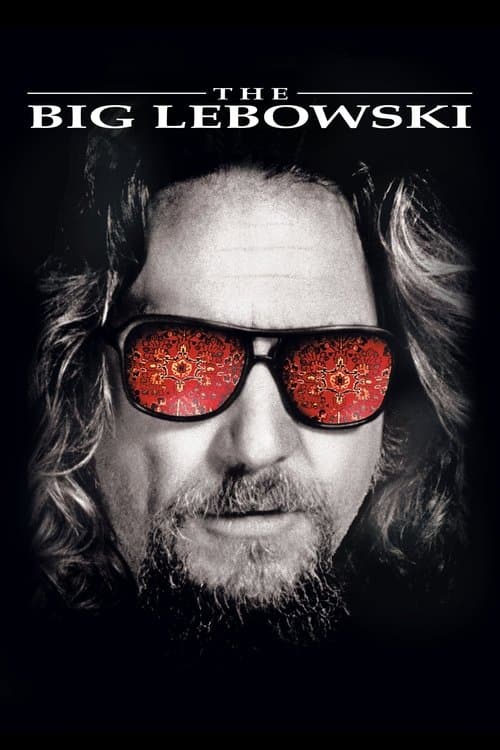
In The Big Lebowski (1998), the Dude finds that someone has urinated on his rug and treats it as a small household annoyance. Everything after that follows the same logic. Kidnapping, extortion and nihilists all get the energy of a bowling league dispute.
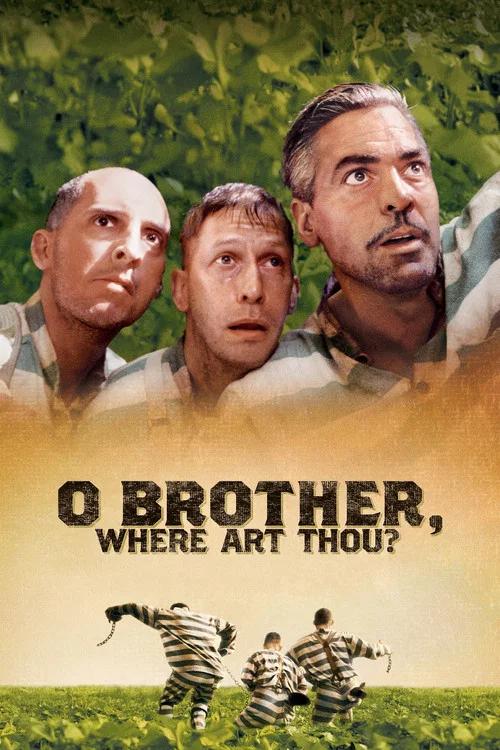
O Brother, Where Art Thou? (2000) does it with the supernatural. After the washerwomen episode, Pete is gone and a toad sits in his clothes. Delmar decides Pete was turned into the toad and carries it with him.
You know more than they do
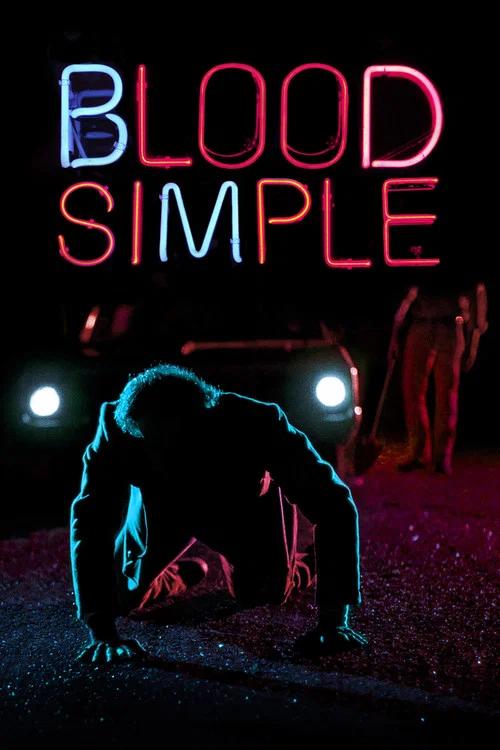
Blood Simple (1985) is the clean example. You know Visser faked the photos and killed Marty. Ray and Abby don't, so each one reads the clues wrong and suspects the other. You watch the mistakes pile up and can't stop them. When Ray starts to bury Marty, Marty is still alive and pulls a trigger 3 times on an empty gun. It's horrible and funny at once.
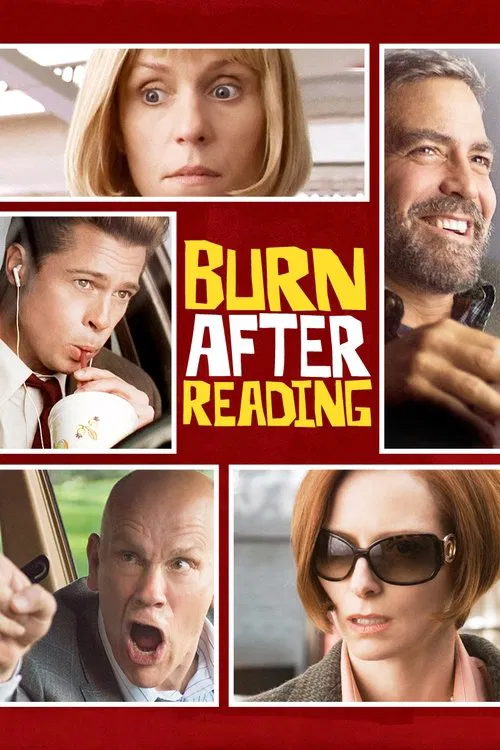
Burn After Reading (2008) runs the same idea at a bigger scale, with a spy movie in which nobody knows anything. Harry kills Chad, and then Linda tells Harry where Chad went before he vanished. The CIA men keep trying to work out what happened while you already know.
Chad and Linda also think a disc of memoir notes is a state secret. The loud, percussive score with taiko drums puffs the story up, though it means nothing.
Plots that wander on purpose
A few Coen films drop the idea of a tight plot. The Big Lebowski pushes the Dude through meetings with the Big Lebowski, Maude, the nihilists and Jackie Treehorn. Each one is a new social world he politely survives. The rug keeps coming back, picking up importance each time until it's the main joke and the main idea. When he drifts into the Busby Berkeley bowling fantasy, the film shows his inner life on the grandest scale it can.
O Brother is a string of encounters too. A baptism, a radio station, a bank robber's hideout and a Klan rally add up to a picture of the Depression-era South. Underneath, it loosely follows Homer's Odyssey, with the washerwomen as sirens and Big Dan as the Cyclops. You don't need to know that to enjoy it.
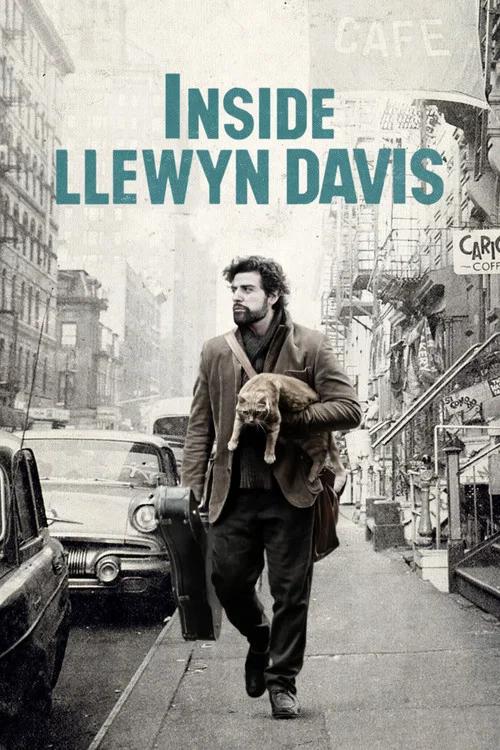
Inside Llewyn Davis (2013) is a chain of couches and rides, and it ends where it began. The film opens with Llewyn beaten in the alley behind the Gaslight Cafe. The last scene shows the same beating, so nothing has changed for him. Along the way, he turns down a place in a trio and takes $200 cash instead of royalties. You watch him pick the choice that costs him most.
Landscape that sorts good from bad
With Roger Deakins behind the camera, the setting does moral work. Fargo shoots the Minnesota winter as an unbroken field of white, so roads, fields and sky merge. People stand exposed with nowhere to hide, and what they've done has nowhere to hide either. The film opens on Jerry's car in a blizzard and closes with Marge and Norm in bed, talking about a stamp. The ending is so small next to all the carnage, and that's the argument. Ordinary decency is enough.
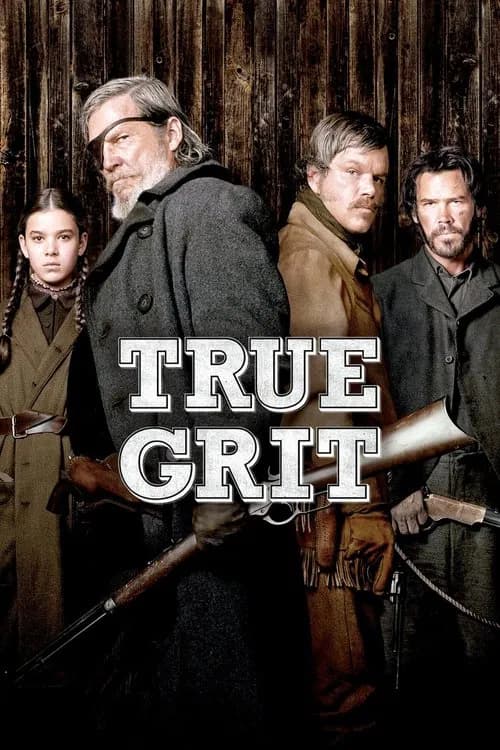
True Grit (2010) is lit like a morality play. In the outlaw's dugout, the background drops to near black and a single source lights Rooster and the criminals. The negotiation feels as serious as a judgment. Mattie narrates as an older woman, and her calm voice makes her teenage determination both admirable and ominous.
O Brother goes for amber. A digital grade gives the film a sepia, sunbaked look, like a faded photograph of a story you half remember.
The showdown that never comes
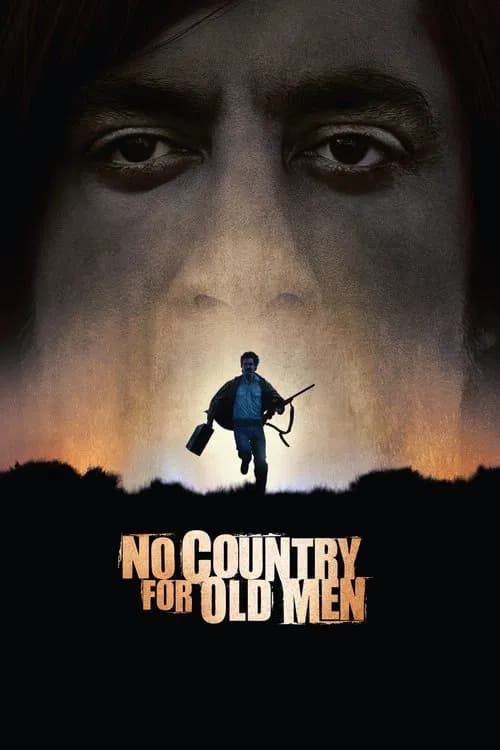
No Country for Old Men (2007) takes the genre's promise of a final confrontation and refuses it. Moss and Chigurh spend most of the film in the same motels, towns and roads, and Chigurh always arrives just after Moss has left. In the motel scene he reads the register and finds the room Moss was in hours earlier. You get trained to expect a meeting, and you never get it.
Chigurh's coin toss makes his philosophy plain. At the gas station, he tells the owner he's been 'putting it up' his whole life without knowing it. In Chigurh's view, the coin does the killing and he doesn't.
Then Moss dies off screen. The film cuts away, and Bell arrives after the shootout to find him dead. We're denied the death, and that refusal is the film's argument about what this kind of violence looks like.
A hotel that looks like a head
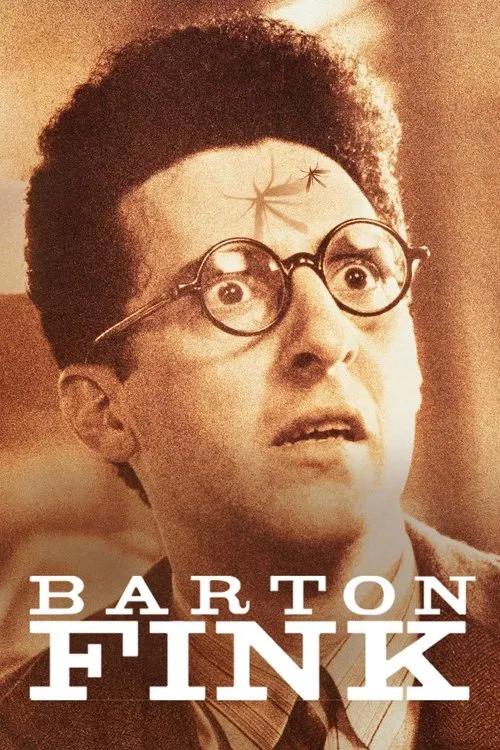
Barton Fink (1991) is where the Coens turn a building into a state of mind. The Hotel Earle was built as a set just for the film. The wallpaper peels and droops from the heat, and the opening credits slide down it. Barton can't write a word, and his room looks as stuck and sweaty as he is.
The film works through what you hear and don't see. On his first night, Barton hears noises through the thin walls and calls the front desk to complain, and Charlie comes over to apologize. The threat stays hidden until late.
Then there's the shot after Barton and Audrey go to bed. The camera glides out of the bedroom and down the bathroom sink drain, a move the Coens designed as a symbol for the act. By the beach ending, you're as unsure what happened as Barton is.
How to use this when you watch
Next time you watch a Coen film, listen to how people talk about the worst thing that's happened to them. Then look at the place they're standing in. The tone is usually flatter than it should be and the setting is doing more than you'd think. I feel like once you notice that gap, the jokes and the dread start to land together.
More guides
- Film Noir Lighting Explained: 8 Films That Nail It
- How Directors Build Suspense: 8 Films That Show You How
- Unreliable Narrator Movies Explained: 9 Films That Fool You
- Non-Linear Movies Explained: 8 Films Told Out of Order
- Long Takes and Oners Explained: 9 Famous One-Shot Scenes
- How Color Tells the Story: 9 Films With Meaningful Palettes