Narrative technique · used in 14 films

Institutional Honor Critique

Building the story around an institution's code of honor, often a military one, and showing the gap between what it claims and what it does. The code ends up protecting power.

Examples

14 films that use it

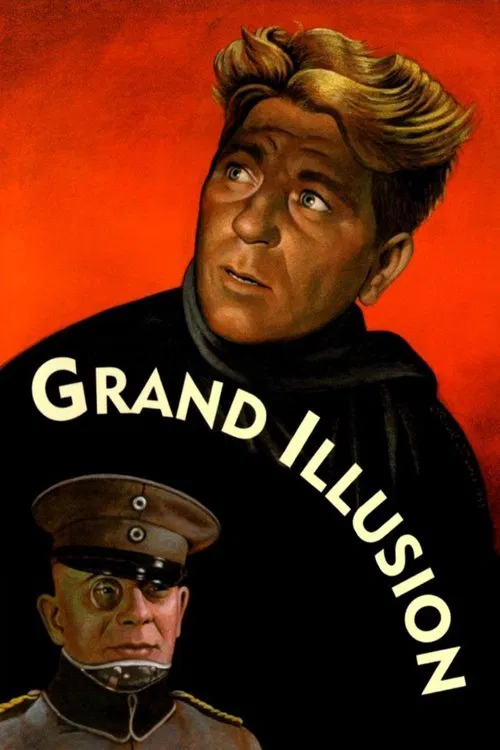
  1. Grand Illusion (1937) poster

    Grand Illusion

    Jean Renoir · 1937

    The 'rules' of honorable war are a story that the officers of every nation agree to believe in. Working-class soldiers are the ones who pay for that story with their lives.

    Where to see it: Von Rauffenstein and Boeldieu's ritual of mutual respect. The 2 aristocrats keep up their polite manners even as Boeldieu sacrifices himself.
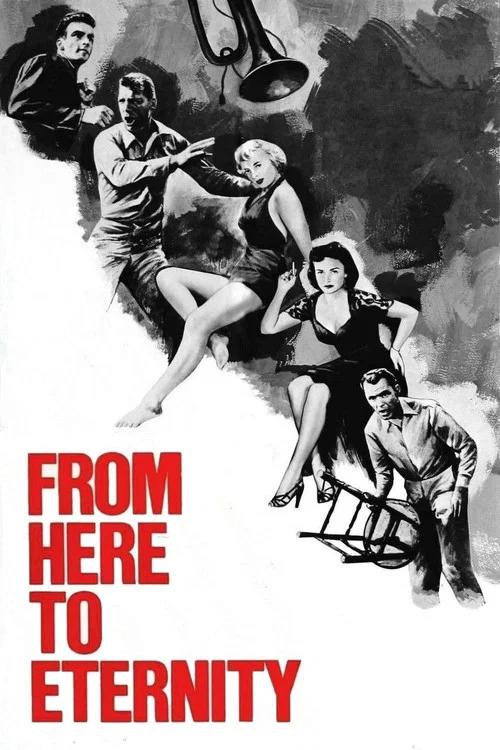
  2. From Here to Eternity (1953) poster

    From Here to Eternity

    Fred Zinnemann · 1953

    The Army claims to value discipline and honor, but the film shows officers using rank to punish a man who will not obey. By the end, the code protects the people in power, and the soldiers pay.

    Where to see it: The stockade: Maggio is sent to the stockade after walking off guard duty, where Sergeant Judson abuses him.

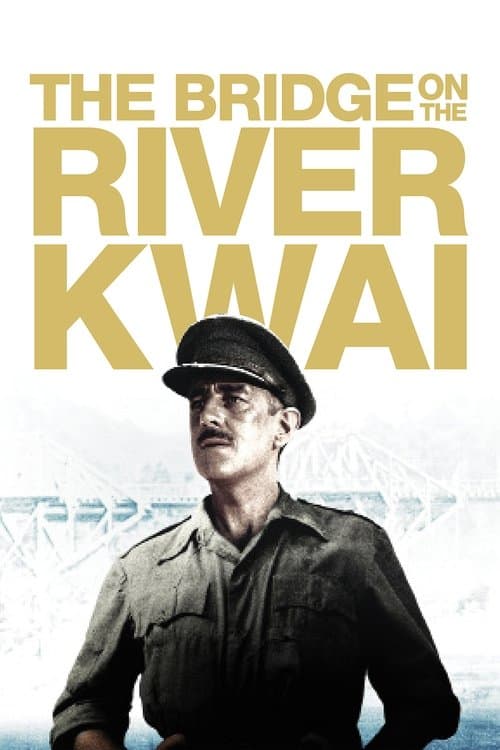
  3. The Bridge on the River Kwai (1957) poster

    The Bridge on the River Kwai

    David Lean · 1957

    Nicholson's whole arc is about military honor cut off from military purpose. He suffers in the hot box to defend his officers' rights. He does it for the sake of protocol, with no thought of resistance. He builds the bridge beautifully because a British officer doesn't do shoddy work. The film asks whether honor that serves the enemy is still honor.

    Where to see it: Nicholson's standoff in the hot box. He suffers for a principle that has nothing to do with defeating the enemy. The institution's rules have swallowed its own purpose.

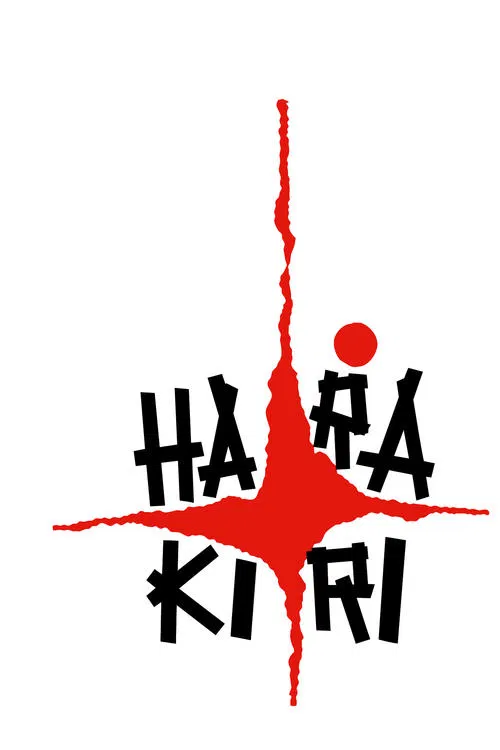
  4. Harakiri (1962) poster

    Harakiri

    Masaki Kobayashi · 1962

    The film shows that the Iyi clan's bushido, the samurai code of honor, is all for show. They punish a desperate young man for dishonoring a ceremony that they themselves treat as theater. Kobayashi's argument is that honor codes exist to serve whoever has the power to enforce them.

    Where to see it: The forced suicide of Motome. The clan enforces a code that it does not follow itself.

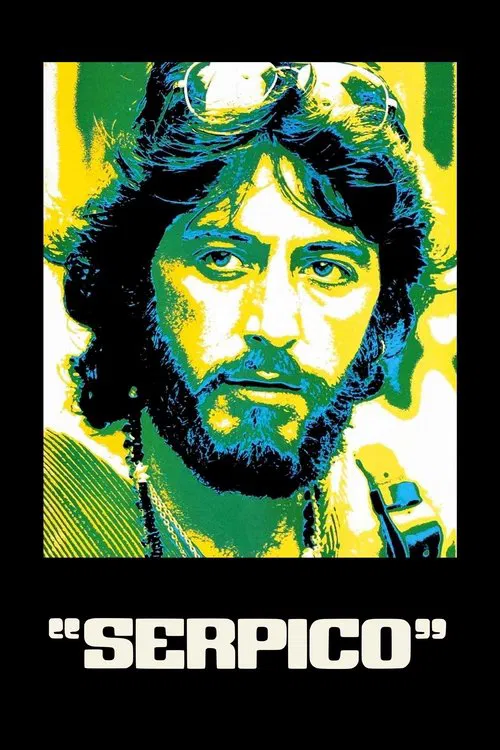
  5. Serpico (1973) poster

    Serpico

    Sidney Lumet · 1973

    The department says it protects the public, but its officers collect payoffs and expect everyone to share. Serpico's refusal makes him dangerous to people who treat the badge as a license.

    Where to see it: The payoff runs: Serpico is forced to accompany officers as they collect payoffs from criminals and small businesses, and he refuses his share.

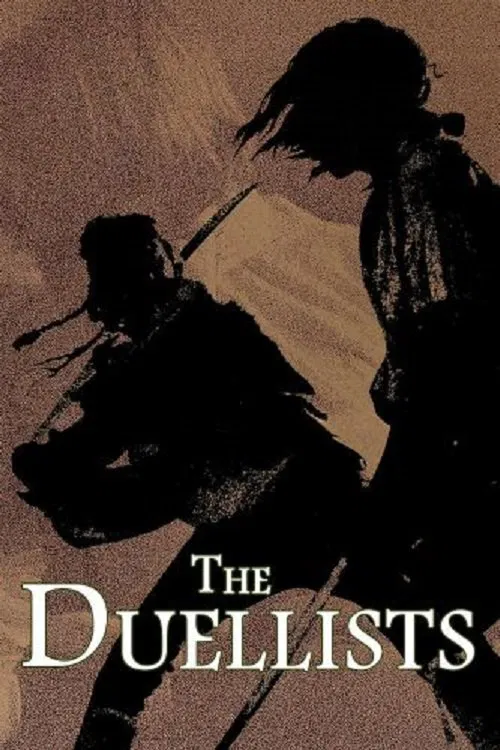
  6. The Duellists (1977) poster

    The Duellists

    Ridley Scott · 1977

    The army's code of honor is what keeps the duels going. Neither man can quit without losing face. The film shows how a system built to protect pride can wreck the people inside it.

    Where to see it: Final duel: Each man has two single-shot pistols. D'Hubert spares Feraud and declares him dead to him.

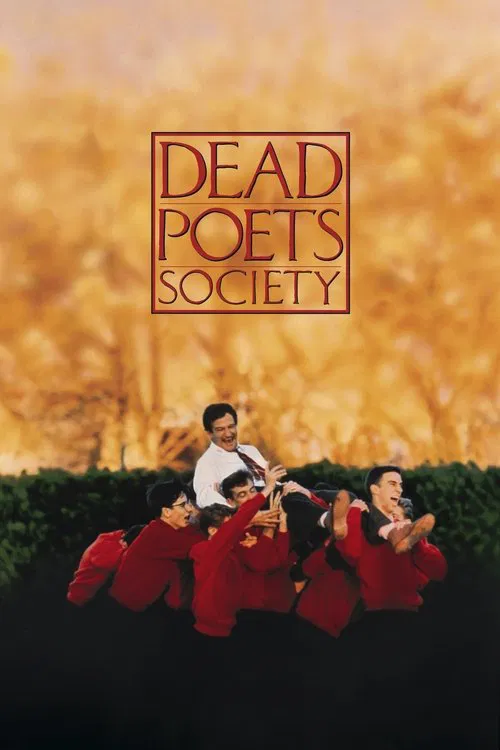
  7. Dead Poets Society (1989) poster

    Dead Poets Society

    Peter Weir · 1989

    Welton Academy claims to build leaders, yet it punishes Charlie for an article and pressures the boys to sign a letter blaming Keating. The school protects its own authority, and the boys pay for it.

    Where to see it: The aftermath: After Neil's death, Richard Cameron names the others, Keating is fired, and the boys are made to sign a letter confirming the accusations.

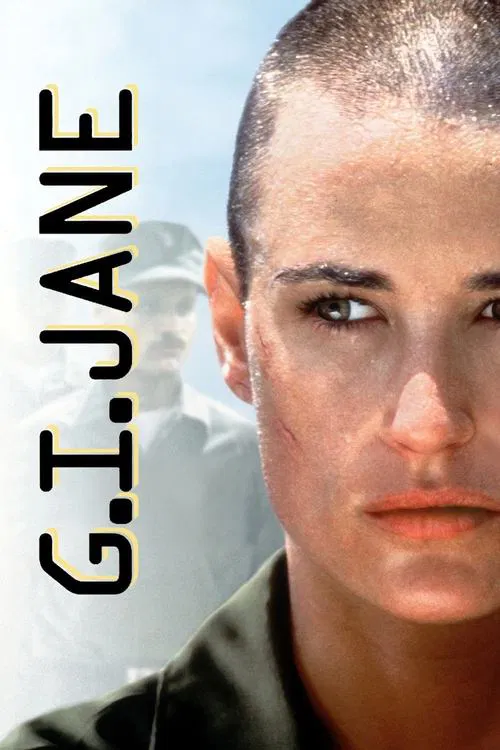
  8. G.I. Jane (1997) poster

    G.I. Jane

    Ridley Scott · 1997

    The Navy says it wants to see whether women can serve. Behind the scenes, Senator DeHaven picked O'Neil because she looked more feminine than the other candidates, and DeHaven never intended her to succeed. She used O'Neil as a bargaining chip to stop military base closings in Texas. The photos used to smear O'Neil came from her own office.

    Where to see it: The smear campaign: O'Neil is accused of being a lesbian and chooses to ring out. She then learns the photos came from DeHaven's office and threatens to expose her.

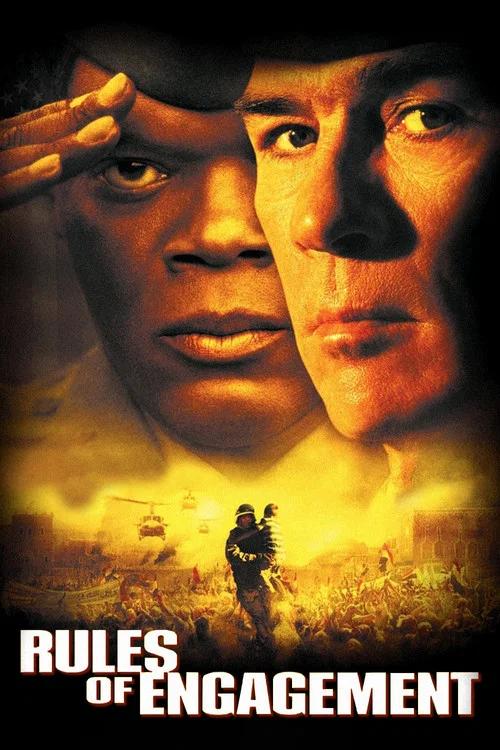
  9. Rules of Engagement (2000) poster

    Rules of Engagement

    William Friedkin · 2000

    The film shows an institution protecting itself. National Security Advisor Bill Sokal destroys the tape and pressures the ambassador to lie so that Childers takes the blame. The Marine code of loyalty gets used against the man who followed it.

    Where to see it: Hodges tracing the missing tape. His shipping manifest shows the tape was delivered to Sokal's office and then disappeared.

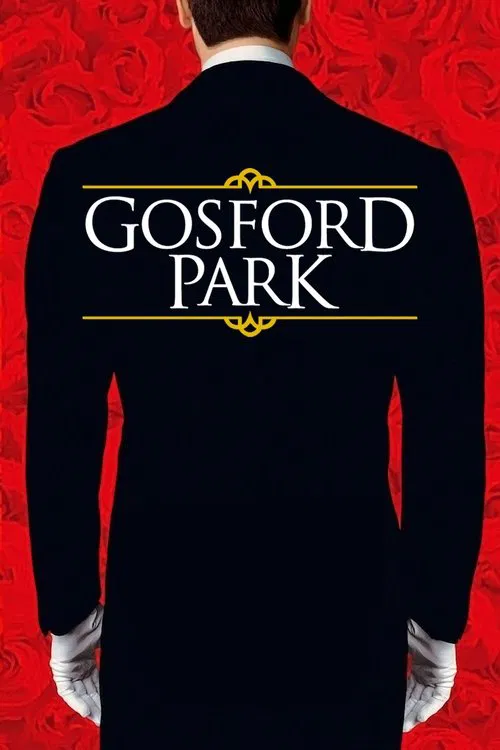
  10. Gosford Park (2001) poster

    Gosford Park

    Robert Altman · 2001

    The servants live by a code of loyalty (to each other, to the house, to the family). The murder mystery exposes that code as a system that demands you give up yourself in exchange for belonging. The crime gets solved by understanding the institution, and the individual matters less.

    Where to see it: Mrs. Wilson's revelation about her own history with Sir William. The life the housekeeper kept hidden finally comes into view. The institution demanded that she bury herself in her role, and the film shows that demand as its real crime.

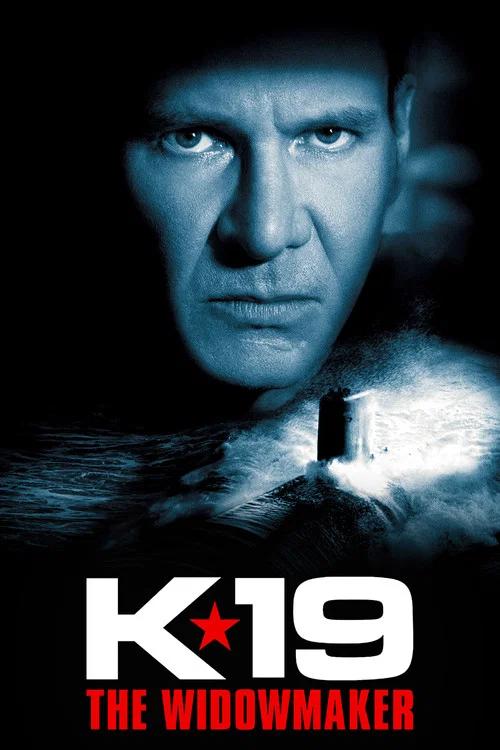
  11. K-19: The Widowmaker (2002) poster

    K-19: The Widowmaker

    Kathryn Bigelow · 2002

    The Soviet system rewards pride and politics over crew safety. Vostrikov is said to have got his post through his wife's connections, and he refuses American help. At the end, the surviving crew are sworn to secrecy, which protects the state and leaves the men unrecognized.

    Where to see it: The trial at the end: Vostrikov is tried for endangering the mission, and Polenin defends him, but the crew are sworn to secrecy in perpetuity.

  12. 3 Idiots (2009) poster

    3 Idiots

    Rajkumar Hirani · 2009

    The Imperial College of Engineering runs on pressure and turns curiosity into anxiety. It measures students by how much they can memorize, and whether they understand any of it doesn't count. Hirani uses Virus (the director) as the human face of the college. Rancho keeps challenging him, and those challenges are how the film shows what education could be.

    Where to see it: Rancho's first classroom confrontation with Virus. He explains engineering terms by what they mean and skips the memorized definition. Right away, you get his conflict with the college and his conflict with the man.

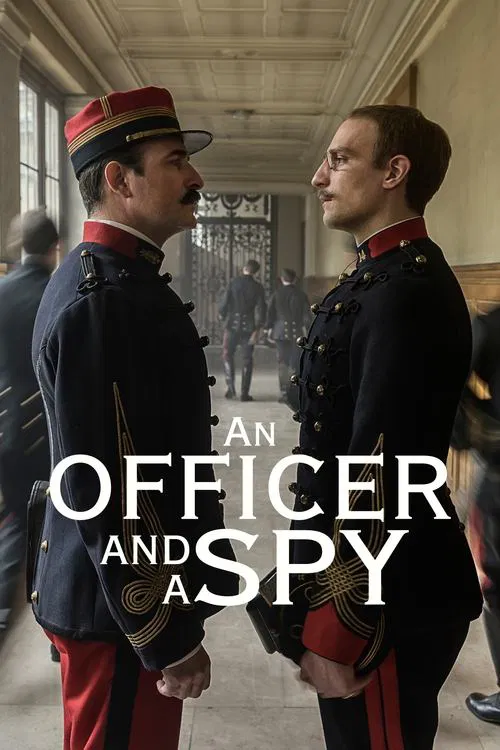
  13. An Officer and a Spy (2019) poster

    An Officer and a Spy

    Roman Polanski · 2019

    Picquart's superiors know the case is shaky, but admitting it would expose corruption in the army. The code of honor protects the army itself. When Picquart pushes, he is removed from his post.

    Where to see it: The removal: Picquart tries to reopen the trial, but his superiors resist, and he is sent on a mission far from Paris.

  14. The Last Duel (2021) poster

    The Last Duel

    Ridley Scott · 2021

    The judicial duel is supposed to let God show who is right, yet it ends up protecting the powerful. Marguerite is told she will be burned for lying if her husband loses. The code of honor treats her as an object to be defended or punished.

    Where to see it: The duel: Jean and Jacques joust, then fight on foot, and Jean wounds Jacques and kills him after Jacques insists he is innocent. Marguerite watches while knowing her life depends on the result.

Questions

Quick answers

What is institutional honor critique in film?
Building the story around an institution's code of honor, often a military one, and showing the gap between what it claims and what it does. The code ends up protecting power.
Which films use institutional honor critique?
Grand Illusion (1937), From Here to Eternity (1953), The Bridge on the River Kwai (1957), Harakiri (1962), Serpico (1973), The Duellists (1977) and 8 more films in the CineCode library.
What kind of technique is institutional honor critique?
It is a narrative technique. Related narrative techniques include Legal Theater, Triangulated Moral Ambiguity, Escalating Moral Stakes.