Narrative technique · used in 12 films

Tragic Inversion Structure

Structuring the story so a character's rise or cruelty is mirrored by its opposite. A parallel story shows a different outcome, or a powerful figure loses everything in ways that echo earlier wrongs.

Examples

12 films that use it

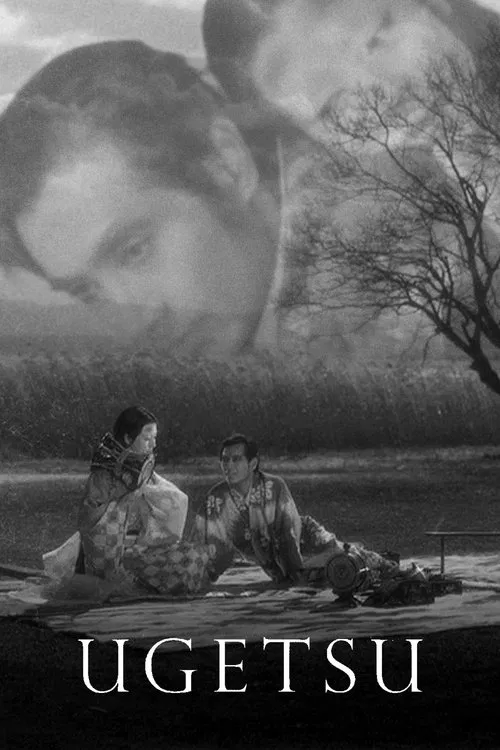
  1. Ugetsu (1953) poster

    Ugetsu

    Kenji Mizoguchi · 1953

    Genjuro and Tobei each rise in their own way, one as a noblewoman's lover and the other as a samurai. Each gain is paid for by what they leave behind. Their wives suffer for the ambition, and the men lose everything they were trying to win.

    Where to see it: The return home. Genjuro gets back to his village and spends the night with Miyagi. The next morning he learns she was killed by soldiers.
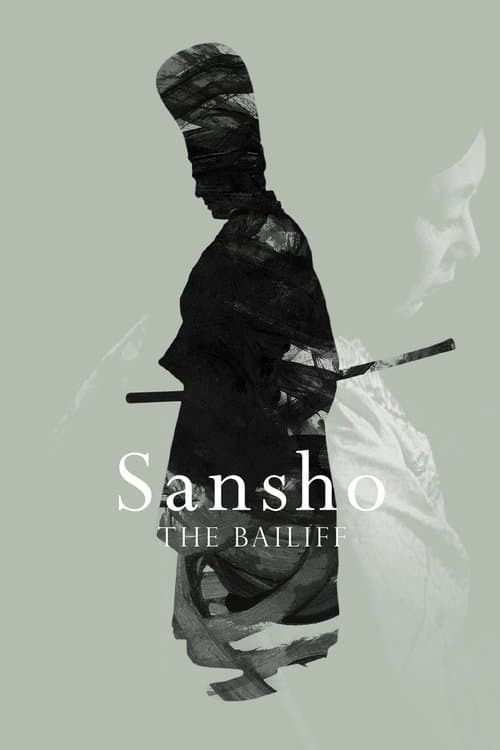
  2. Sansho the Bailiff (1954) poster

    Sansho the Bailiff

    Kenji Mizoguchi · 1954

    Zushio's story is a moral collapse and then a recovery. He goes from nobleman's son to obedient enforcer to liberator. Each stage turns his life further upside down from what his father's teaching promised it would be.

    Where to see it: Zushio branding an escaped slave. The son of a principled man obeys and carries out the camp's cruelty. It is the lowest point of his tragic fall.

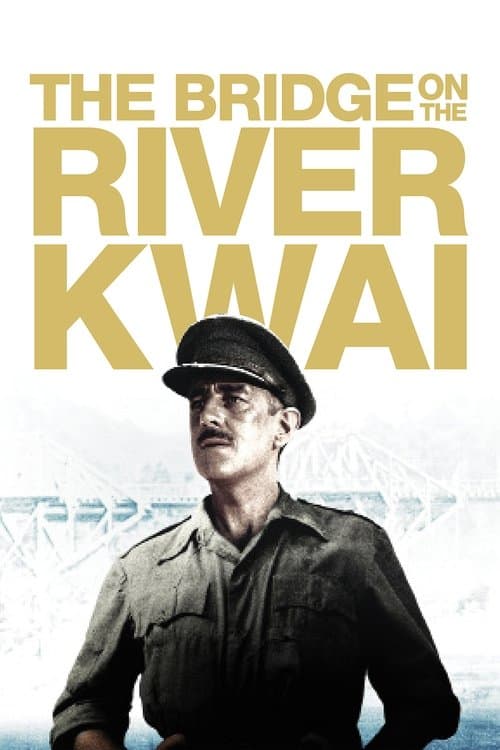
  3. The Bridge on the River Kwai (1957) poster

    The Bridge on the River Kwai

    David Lean · 1957

    Nicholson's military discipline and his pride in good work are the virtues that make him a great officer. They are also exactly what lead him to build the enemy's bridge superbly, to protect it from sabotage and to die at the moment he realizes what he has done. You can't tell his virtues apart from his collaboration with the enemy.

    Where to see it: Nicholson dying on the detonator. He asks 'What have I done?', and the question comes too late. His pride has delivered the bridge intact to the enemy.

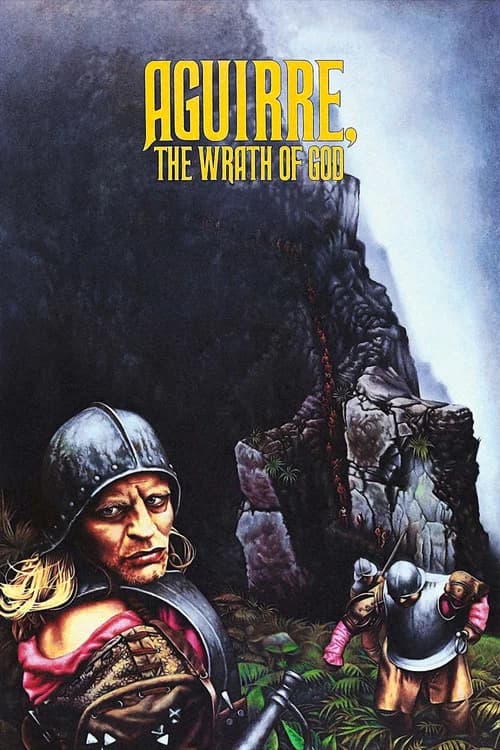
  4. Aguirre, the Wrath of God (1972) poster

    Aguirre, the Wrath of God

    Werner Herzog · 1972

    Aguirre starts as a subordinate who takes power through murder. He ends alone on a raft of corpses, surrounded by monkeys. Each act of violence that raised him up is turned into a loss. The jungle returns him to nothing. The conqueror's empire shrinks to the one territory he can't control.

    Where to see it: The final raft sequence. Aguirre walks among the dead as the raft circles. His empire is down to monkeys, and the reversal is complete.

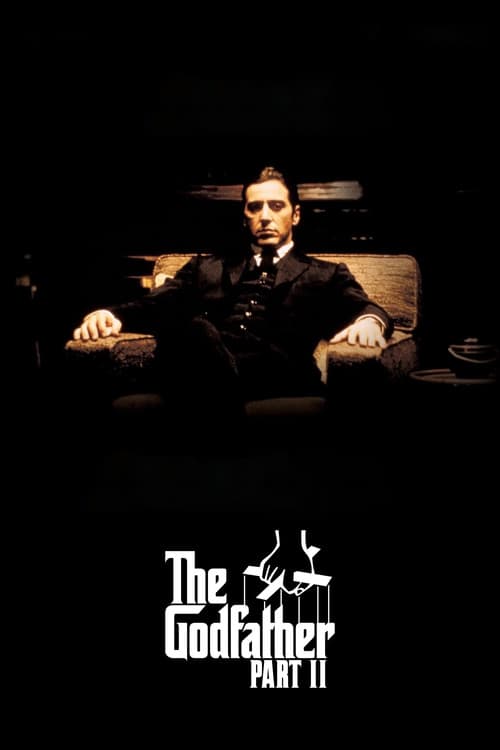
  5. The Godfather Part II (1974) poster

    The Godfather Part II

    Francis Ford Coppola · 1974

    Vito builds his empire through personal loyalty and real protection of his community. Michael builds his through betrayal and paranoia. The 2 stories are built to echo each other, but they mean completely different things. Vito's rise makes Michael's fall more devastating.

    Where to see it: The final scene. Michael is alone at the lake, cut off from everyone by the power he spent the film acquiring.

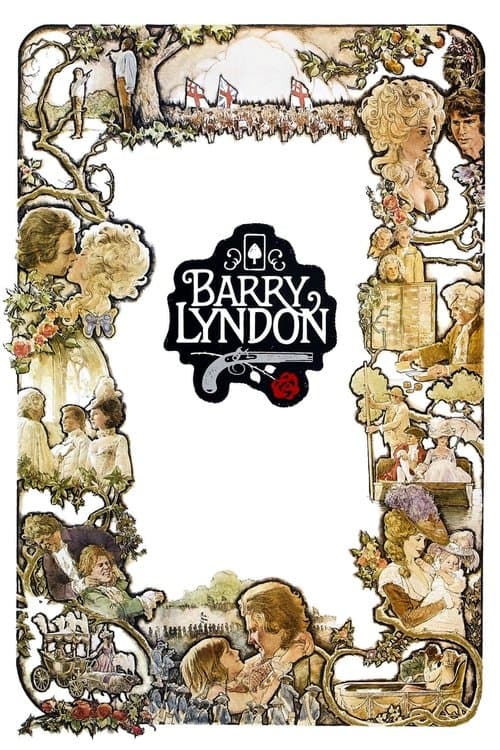
  6. Barry Lyndon (1975) poster

    Barry Lyndon

    Stanley Kubrick · 1975

    Barry's charm, opportunism and talent for reinventing himself make him a successful soldier, spy and social climber. Those same traits cause his complete downfall. He can't be satisfied, his insecurity makes him cruel and he can't hold on to what he wins. The film is shaped like an arc. The traits carry him up and then, unchanged, bring him down.

    Where to see it: Barry's treatment of Lady Lyndon. Once he has what he wanted, his charm sours into contempt. The path from seduction to cruelty follows naturally from who he is.

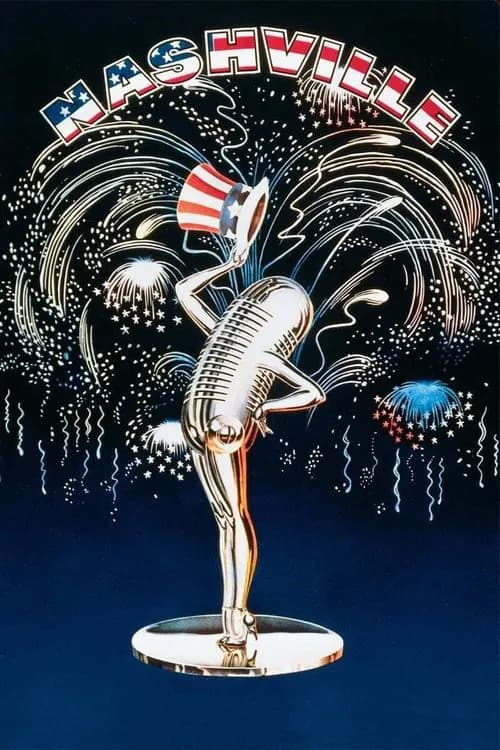
  7. Nashville (1975) poster

    Nashville

    Robert Altman · 1975

    Altman builds the film as a celebration of music, celebrity and people taking part in democracy. Then he makes the rally the place where an assassination happens. The film has been enjoying the American myth, and suddenly that myth shows its violence.

    Where to see it: Barbara Jean shot during the concert. The celebration turns into disaster in a moment. Then Albuquerque spontaneously sings 'It Don't Worry Me' and leads the crowd's response, so the national myth carries on undisturbed.

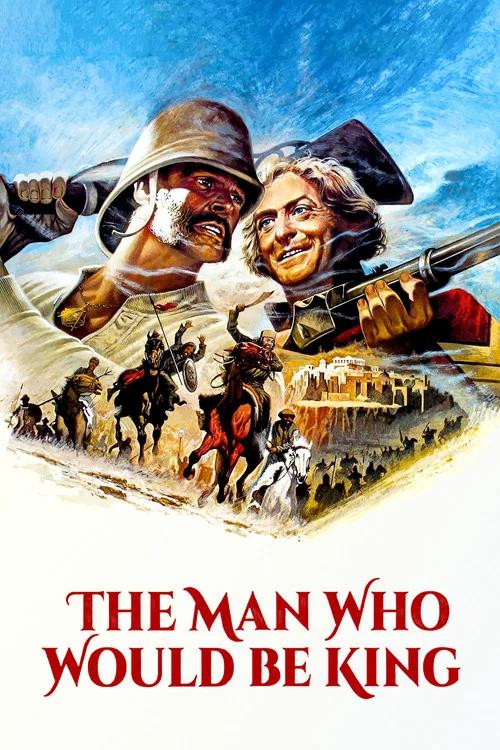
  8. The Man Who Would Be King (1975) poster

    The Man Who Would Be King

    John Huston · 1975

    Dravot's climb from soldier to king is mirrored by his fall. The same crowd that worshipped him turns on him the moment he bleeds. His pride is what sets the fall in motion.

    Where to see it: Roxanne bites Dravot: when he bleeds, the people see he is a man, and the kingdom turns on the pair.

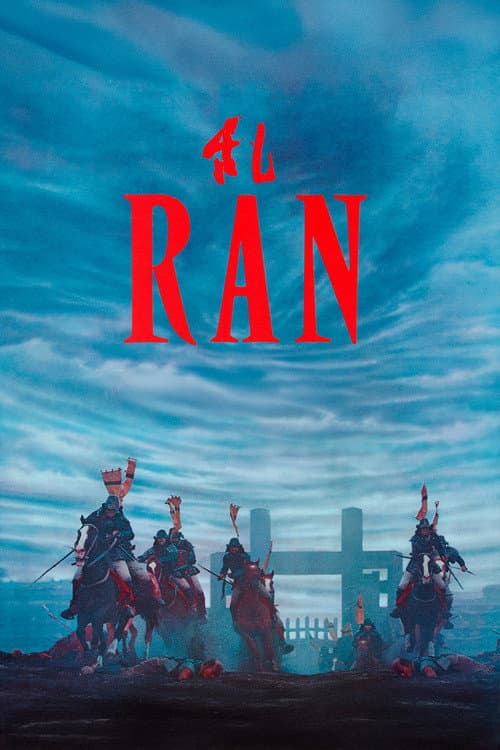
  9. Ran (1985) poster

    Ran

    Akira Kurosawa · 1985

    Hidetora built his empire through murder, including the blinding of Tsurumaru. The film turns each of those past acts into a consequence he suffers now. His sons make war the way he made war, and the man he blinded outlives the sight Hidetora trusted. His tragedy is his own life story reflected back at him.

    Where to see it: Hidetora taking refuge in Tsurumaru's home. The man he blinded is the one who shelters him, so the reversal is right there on screen.

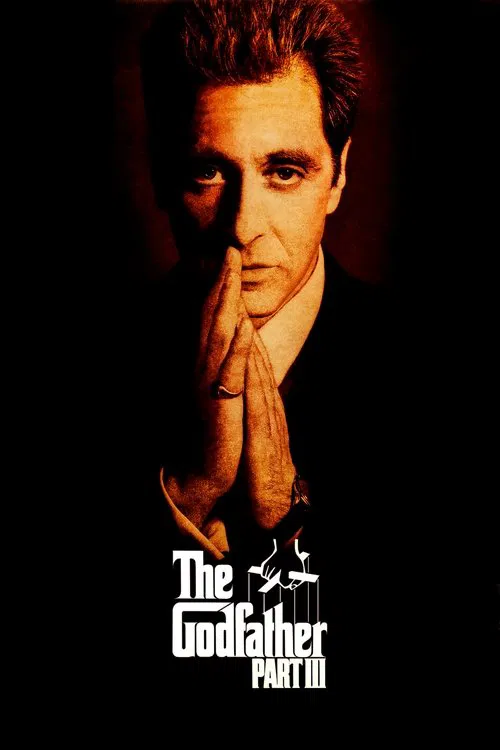
  10. The Godfather Part III (1990) poster

    The Godfather Part III

    Francis Ford Coppola · 1990

    Michael tries to become legitimate, and each step instead exposes the cost of what he has done. The man who once ordered his brother Fredo's death ends up losing the daughter he wanted to protect. His rise has been undone by the same violence that built it.

    Where to see it: Mary's death. At the opera's end, Mary is shot on the steps of the opera house, and Michael cries out.

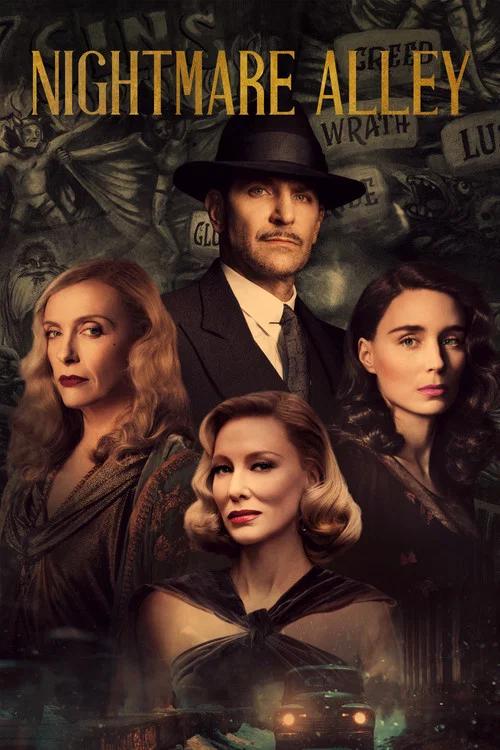
  11. Nightmare Alley (2021) poster

    Nightmare Alley

    Guillermo del Toro · 2021

    Stan rises from carnival hand to star psychic for Buffalo's elite, and each step up sets up the same fall. The man who looked down at a geek ends up as one.

    Where to see it: The Buffalo act: two years later, Stan runs a successful psychic act for Buffalo's rich audiences.

  12. Emilia Pérez (2024) poster

    Emilia Pérez

    Jacques Audiard · 2024

    Emilia gets the identity she has always needed and builds a new life. The second half then shows, piece by piece, that this new life is built on the ruins of the old one. The transformation is real, and she still can't escape the consequences.

    Where to see it: Emilia's past returning in the form of the woman who loves the cartel boss she used to be. The past self arrives to destroy the new one. Her hopes get turned upside down, and that is what makes the film a tragedy.

Questions

Quick answers

What is tragic inversion structure in film?
Structuring the story so a character's rise or cruelty is mirrored by its opposite. A parallel story shows a different outcome, or a powerful figure loses everything in ways that echo earlier wrongs.
Which films use tragic inversion structure?
Ugetsu (1953), Sansho the Bailiff (1954), The Bridge on the River Kwai (1957), Aguirre, the Wrath of God (1972), The Godfather Part II (1974), Barry Lyndon (1975) and 6 more films in the CineCode library.
What kind of technique is tragic inversion structure?
It is a narrative technique. Related narrative techniques include Supernatural Realism, Ghost as Moral Figure.