Action · Drama · Comedy

Yojimbo

Akira Kurosawa, 1961

A nameless samurai drifts into a town split between 2 gangs and decides it would be better off with both of them dead. So he sells his sword to each side and plays them against each other. It's Kurosawa's darkest comedy, and Sergio Leone copied it almost scene for scene. Watch how much you learn about the hero without a word of backstory.

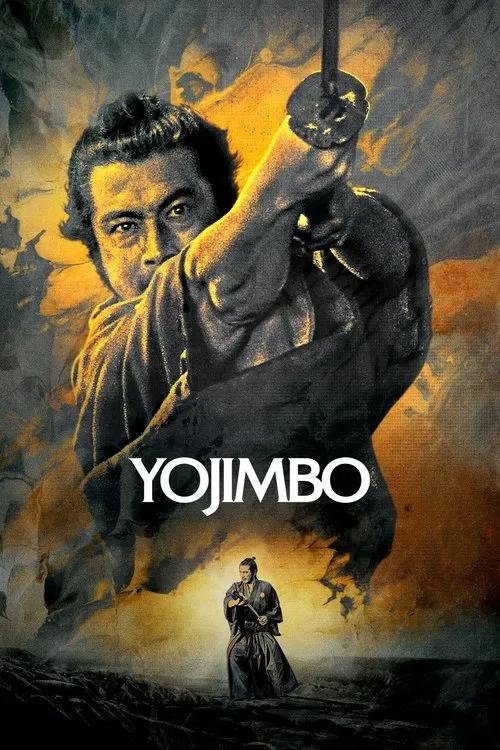
Yojimbo (1961) poster

At a glance

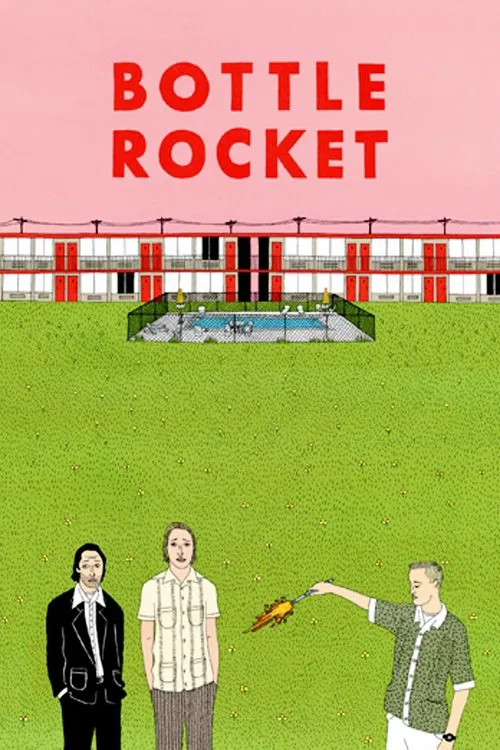
Yojimbo is a 1961 action, drama and comedy film directed by Akira Kurosawa. This breakdown covers 5 techniques (3 narrative, 1 sound and 1 cinematography), each with the scene where you can see it. If you like how it is made, Bottle Rocket uses several of the same techniques.

Narrative

Character Through Action Introduction

Introducing a character by showing them in action or at work before any explaining dialogue. You learn their skill, fears, humor and values by watching what they do.

How this film uses it

You never learn the samurai's real name or past. You learn him from what he does: he tosses a stick in the air to choose which road to take, and he cuts down 3 thugs in seconds to prove his price. By the time anyone asks his name, you already know him.

Where to see it

The crossroads. The ronin throws a stick into the air at a fork in the road and walks off in the direction it points.
Narrative

Deadpan Absurdism

Showing extreme, violent or surreal events while the characters react as if nothing unusual is happening. That mismatch is funny and unsettling at the same time.

How this film uses it

The town is so used to killing that it has stopped reacting to it. The coffin maker is the only one doing good business. Kurosawa plays the horror flat, which makes it funny and grim at once.

Where to see it

The samurai's arrival. A dog trots past him down the main street with a severed human hand in its mouth, and nobody seems to care.

Narrative

Voyeurism as Audience Mirror

Making the main character someone who secretly watches others, then showing you what they see. You become aware that you are watching too, and that it makes you complicit.

How this film uses it

The samurai climbs the town watchtower and sits back to watch the gangs line up for battle like he's at a show. The camera gives you his view of them. You enjoy the bloodshed you're waiting for, the same way he does.

Where to see it

The standoff in the street. The 2 gangs edge toward each other while the samurai watches from the tower, until a government official arrives and the fight falls apart.

Sound

Cross-Cultural Music

Mixing musical traditions from different cultures or languages in one soundtrack. The blend adds a sense of place or playful displacement.

How this film uses it

Composer Masaru Sato said his main influence was Henry Mancini, the American jazz composer. His score stacks heavy drums and brass on top of traditional Japanese flutes. It's loud and a little cheeky, and it makes the gangsters seem as silly as they are dangerous.

Where to see it

The opening titles. The samurai walks away from the camera through the countryside, rolling his shoulders, while Sato's theme pounds along behind him.

Cinematography

Gunfighter Showdown Staging

Staging the final fight on an empty street, with the hero alone at one end and his enemies spread across the other. Long pauses and open space build tension before the first move.

How this film uses it

Kurosawa took a lot from American Westerns and gave it back in this ending. The samurai walks alone down a windy street toward Ushitora's whole gang, and Unosuke has a pistol. Dust and leaves blow between them, and the fight is over almost as soon as it starts.

Where to see it

The final confrontation. The wounded samurai comes back to town, faces Ushitora's men in the main street and kills them, including Unosuke and his gun.

Questions

Yojimbo: quick answers

What filmmaking techniques does Yojimbo use?
CineCode breaks down 5 techniques in Yojimbo (1961): Character Through Action Introduction, Deadpan Absurdism, Voyeurism as Audience Mirror, Cross-Cultural Music and Gunfighter Showdown Staging.
Who directed Yojimbo?
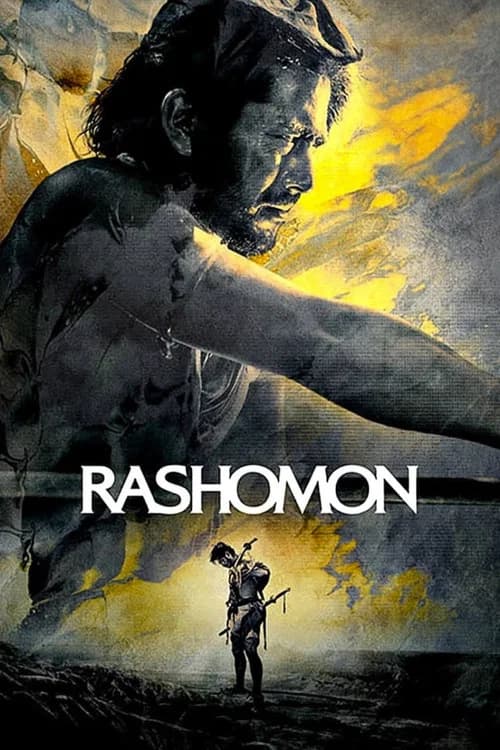
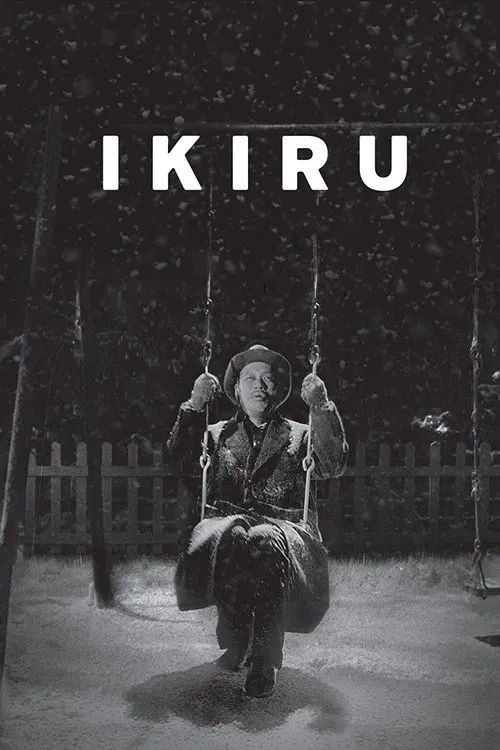
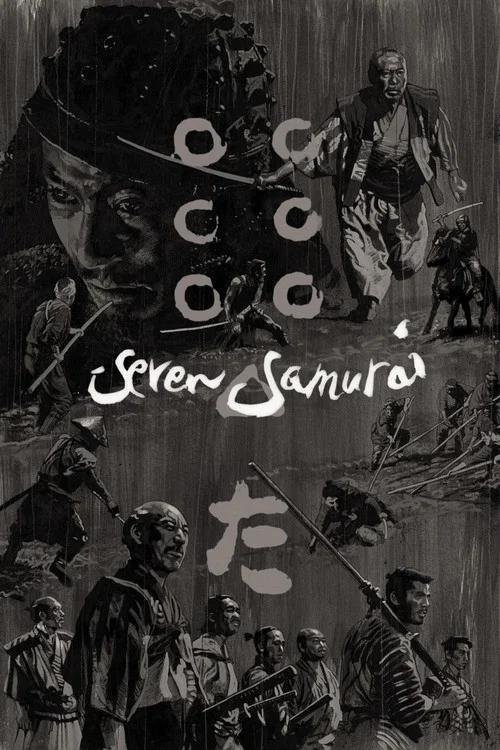
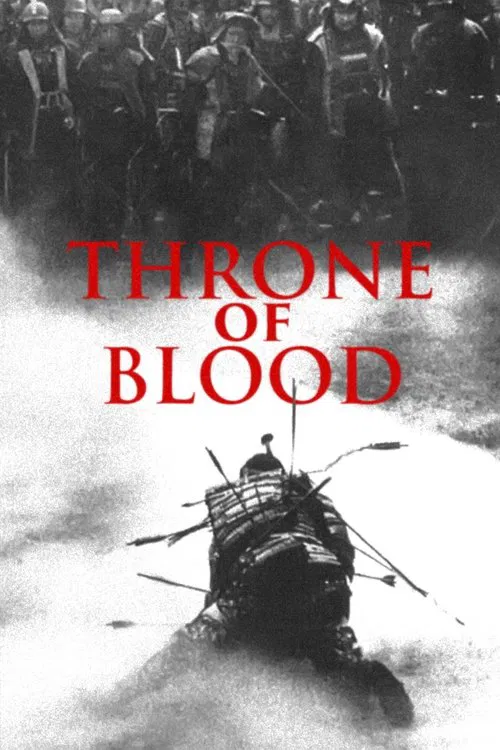
Akira Kurosawa directed Yojimbo, released in 1961. CineCode also covers Rashomon (1950), Ikiru (1952), Seven Samurai (1954), Throne of Blood (1957), The Hidden Fortress (1958), Sanjuro (1962).
What films are similar to Yojimbo?
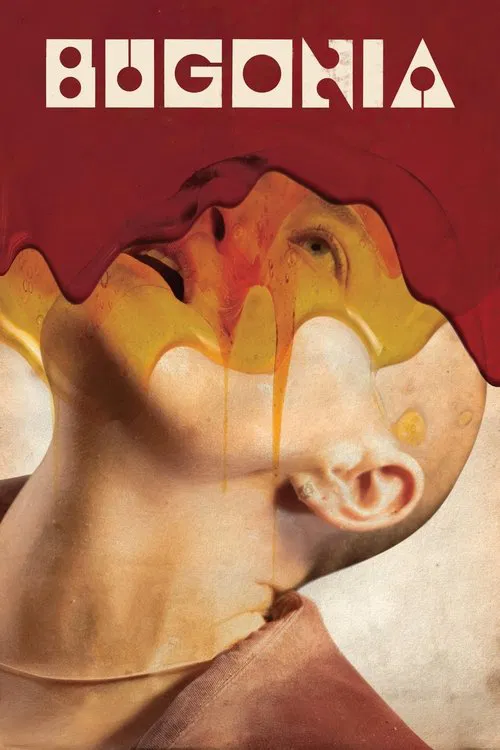
Films that share techniques with Yojimbo include Bottle Rocket (1996), Bugonia (2025), Raiders of the Lost Ark (1981), Rear Window (1954).