Drama · Thriller

Flight

Robert Zemeckis, 2012

Airline pilot Whip Whitaker lands a failing plane in a field and saves nearly everyone on board. Then an investigation finds he was drunk during the flight. It is worth watching to see how the film keeps a hero and an addict in the same man.

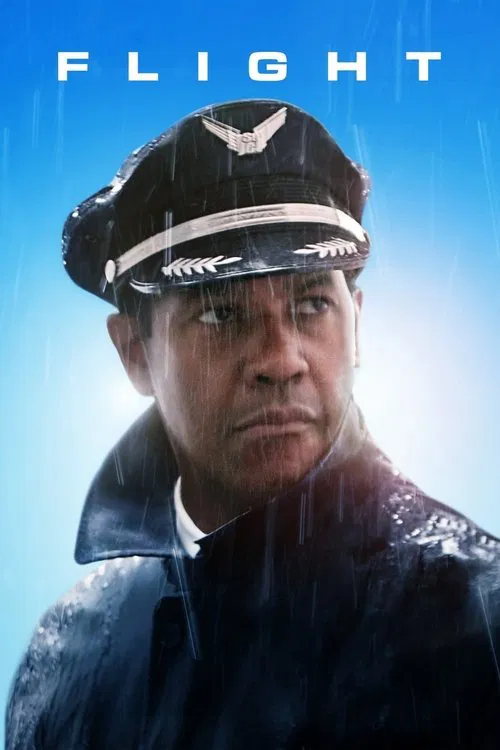
Flight (2012) poster

At a glance

Flight is a 2012 drama and thriller film directed by Robert Zemeckis. This breakdown covers 5 techniques (2 narrative, 1 editing and 2 psychology), each with the scene where you can see it. If you like how it is made, Raiders of the Lost Ark uses several of the same techniques.

Narrative

Character Through Action Introduction

Introducing a character by showing them in action or at work before any explaining dialogue. You learn their skill, fears, humor and values by watching what they do.

How this film uses it

Before anyone explains who Whip is, you watch him use cocaine to wake up after a night of drinking in his hotel room. Then he captains the flight. You learn his skill and his problem in one stretch, without a line of explanation.

Where to see it

The hotel room opening: Whip snorts cocaine to stay alert after drinking all night with a flight attendant. He then captains SouthJet Flight 227.
Editing

Kinetic Set Piece Architecture

Building an action sequence as a chain where each solution creates a new problem. The layout of the space stays clear, so the escalation follows its own logic.

How this film uses it

The plane enters a catastrophic dive, and Whip answers it by rolling the aircraft upside down to regain partial control. Then he has to land it in an open field. Each fix creates the next problem, so you can follow every decision.

Where to see it

The crash: Whip rolls the plane upside down and crash-lands in a field. The maneuver saves 96 of the 102 people on board.

Narrative

Dramatic Irony

Letting the audience know something a character doesn't. You watch them act without that knowledge, which creates suspense, dread or dark comedy.

How this film uses it

You saw Whip pour vodka into his orange juice, so you know more than the investigators do. At the hearing, the lead investigator praises his flying and says no other pilot could have done it. Every kind word makes the coming confession feel heavier.

Where to see it

The NTSB hearing: The investigator says the crash came from mechanical failure and that no other pilot could have matched Whip's landing. She also reveals empty vodka bottles were found on the plane.

Psychology

Obsession and Compulsion Portrait

Showing a character's fixation or addiction through repeated habits, objects and colors. The compulsion drives the behavior and defines who they are more than any speech could.

How this film uses it

Whip's lawyers move him to a guarded hotel room with no alcohol so he can sober up. The door to the next room is unlocked and the minibar is full. You watch him try to resist before he gives in.

Where to see it

The guarded hotel room: Whip finds the adjoining door unlocked with a full minibar. After trying to resist, he goes on a severe drinking binge.

Psychology

Moral Anchor and Rescue

Giving a flawed hero a cause, such as one victim or one person to save, that tests their conscience. Their heroism stays tangled with their weaknesses.

How this film uses it

The same man who saves 96 people is the man who drank before the flight. The film never lets you pick one version of Whip. In the end he tells the truth even though it costs him.

Where to see it

The confession: At the hearing, Whip cannot blame the dead flight attendant Katerina for the vodka. He admits that he drank and that he is drunk right then.

Questions

Flight: quick answers

What filmmaking techniques does Flight use?
CineCode breaks down 5 techniques in Flight (2012): Character Through Action Introduction, Kinetic Set Piece Architecture, Dramatic Irony, Obsession and Compulsion Portrait and Moral Anchor and Rescue.
Who directed Flight?
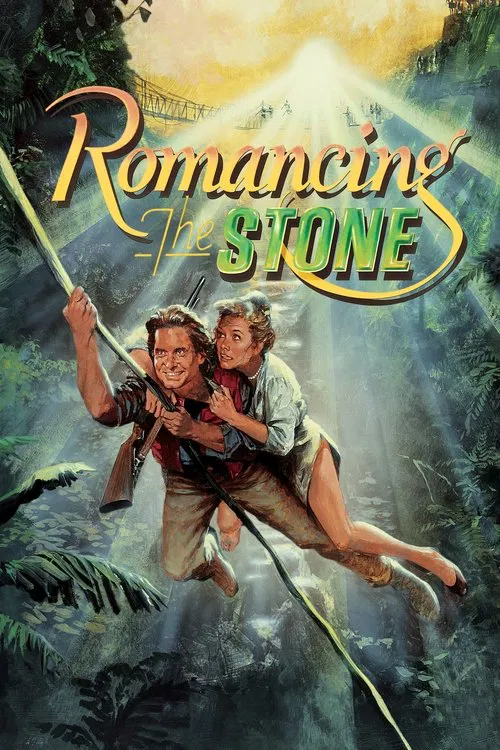
Robert Zemeckis directed Flight, released in 2012. CineCode also covers Romancing the Stone (1984), Back to the Future (1985), Who Framed Roger Rabbit (1988), Back to the Future Part II (1989), Back to the Future Part III (1990), Death Becomes Her (1992).
What films are similar to Flight?
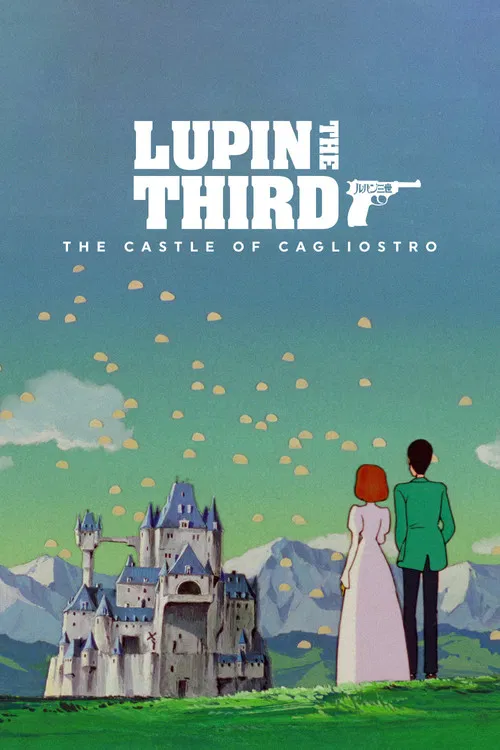
Films that share techniques with Flight include Raiders of the Lost Ark (1981), Torn Curtain (1966), The Castle of Cagliostro (1979), True Lies (1994).