Drama · History

Amistad

Steven Spielberg, 1997

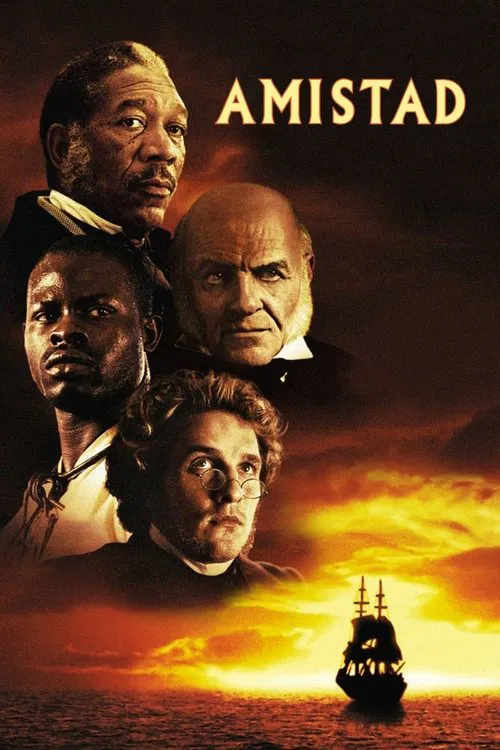
In 1839, enslaved Africans take over the Spanish ship La Amistad, are captured off the American coast and end up on trial. A young lawyer, abolitionists and former president John Quincy Adams fight for their freedom. For filmmakers, watch how the story moves from a violent uprising into a courtroom built around language.

Amistad (1997) poster

At a glance

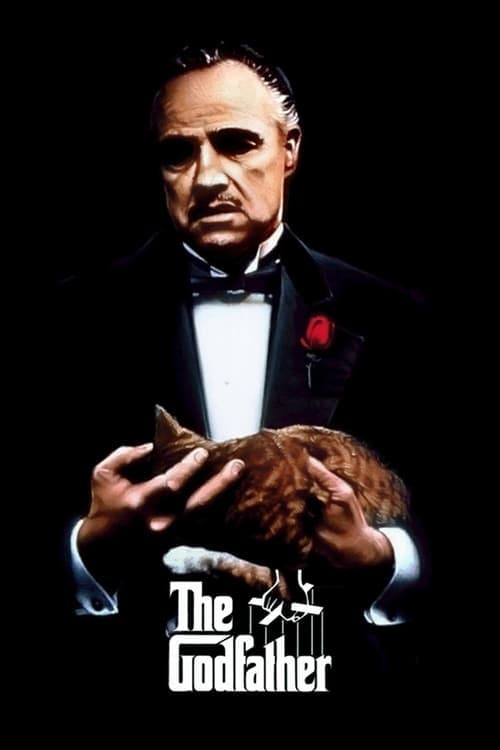
Amistad is a 1997 drama and history film directed by Steven Spielberg. This breakdown covers 4 techniques (3 narrative and 1 cinematography), each with the scene where you can see it. If you like how it is made, The Godfather uses several of the same techniques.

Narrative

Character Through Action Introduction

Introducing a character by showing them in action or at work before any explaining dialogue. You learn their skill, fears, humor and values by watching what they do.

How this film uses it

We meet Cinqué before we hear his name. We watch him work himself free of his chains in the dark. You learn how determined he is from what his hands do.

Where to see it

The opening escape: Cinqué works a nail loose from the deck, frees himself and leads the uprising on the ship during a storm.
Narrative

Legal Theater

Staging a trial as a performance, with testimony and cross-examination played like theater. The rules can bring out the truth, or they can hide a verdict that was decided in advance.

How this film uses it

The court scenes treat each witness as a performance with an audience. Lawyers argue about whether these people are property or human beings. The film suggests the law can reach the truth, but only if someone tells the story well.

Where to see it

The Supreme Court argument: John Quincy Adams stands before the justices and argues the Africans are people with the right to fight for their freedom.

Cinematography

Chiaroscuro Lighting

Lighting a scene with strong contrast between bright light and deep shadow, a style borrowed from old paintings called chiaroscuro. How lit a character is hints at their moral or mental state.

How this film uses it

The uprising and the slave ship scenes use deep dark and sudden bright light. Faces appear and disappear in shadow, which keeps the terror close without much explanation. It stands against the plainer light of the courtroom scenes.

Where to see it

The uprising: Lightning and lantern light flash across the deck as the Africans fight the crew.

Narrative

Untranslated Dialogue

Leaving a character's language unsubtitled so you follow tone, gesture and context. You share the position of someone outside that language, and the language keeps its full weight.

How this film uses it

Cinqué and the American lawyers can't talk directly, so the case waits on finding someone who speaks Mende. Once an interpreter arrives, you hear Cinqué's own account for the first time. The film makes you feel how long the captives were spoken about but not heard.

Where to see it

Cinqué tells his story: With an interpreter, Cinqué describes what happened to him and the others on the slave ship.

Questions

Amistad: quick answers

What filmmaking techniques does Amistad use?
CineCode breaks down 4 techniques in Amistad (1997): Character Through Action Introduction, Legal Theater, Chiaroscuro Lighting and Untranslated Dialogue.
Who directed Amistad?
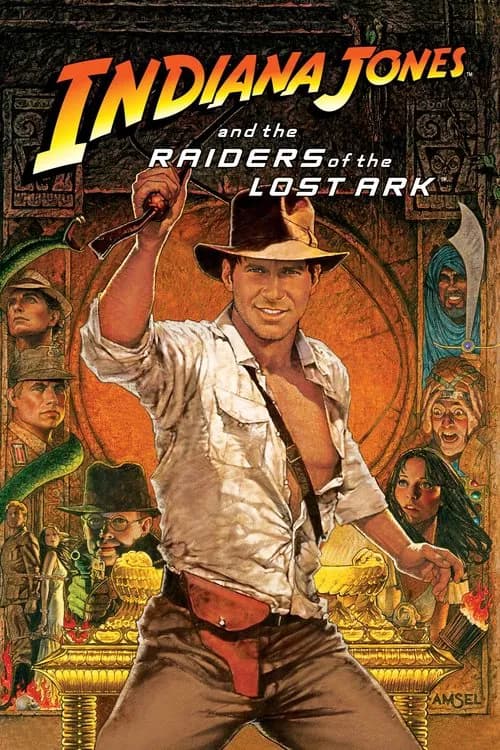
Steven Spielberg directed Amistad, released in 1997. CineCode also covers Duel (1971), Jaws (1975), Close Encounters of the Third Kind (1977), 1941 (1979), Raiders of the Lost Ark (1981), E.T. the Extra-Terrestrial (1982).
What films are similar to Amistad?
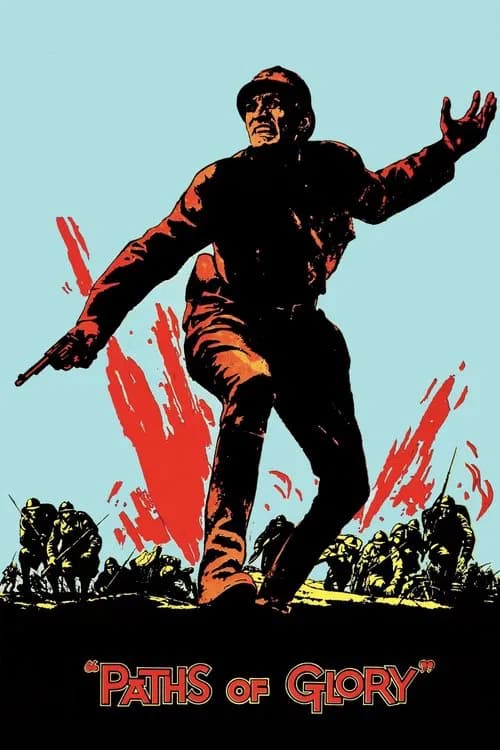
Films that share techniques with Amistad include The Godfather (1972), Casablanca (1942), Raiders of the Lost Ark (1981), Paths of Glory (1957).