Narrative technique · used in 11 films

Physical Transformation as Arc

Showing a character's inner change through their body: weight, posture, movement, injury or recovery. The body becomes a visible record of what happened to them and what it cost.

Examples

11 films that use it

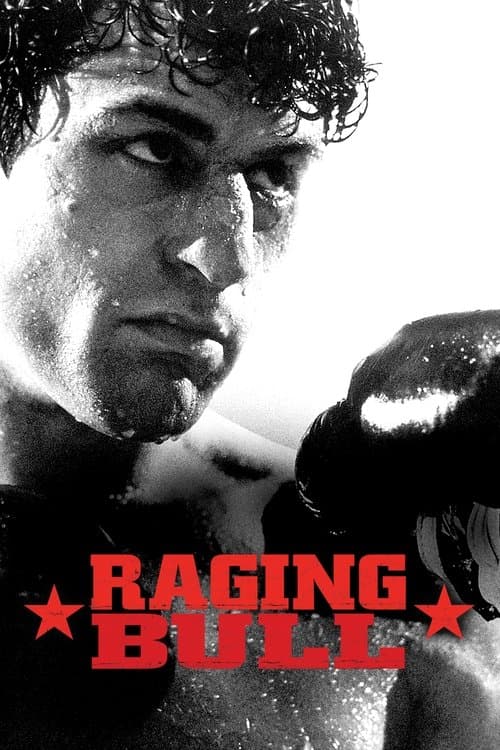
  1. Raging Bull (1980) poster

    Raging Bull

    Martin Scorsese · 1980

    De Niro gained 60 pounds for the later scenes, so you can read LaMotta's decline in the body itself. The champion's physique gets swallowed by the man's ruin.

    Where to see it: The Miami nightclub scenes. A bloated, middle-aged LaMotta performs embarrassing comedy routines.
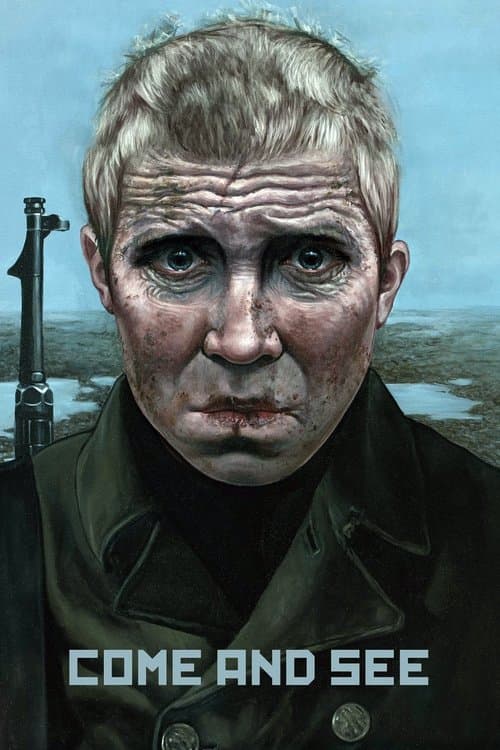
  2. Come and See (1985) poster

    Come and See

    Elem Klimov · 1985

    Alexei Kravchenko was 14 when filming began. Klimov shot the film in story order over 9 months. A hypnotist was called in to prepare him for the extreme scenes. Kravchenko kept a severe diet and lived with real hunger and fatigue, and special silver greasepaint was used to turn his hair grey. Flyora's aged face in the final scenes is the face of a boy who has spent months in the conditions the film shows.

    Where to see it: Flyora's face in the film's final act. You can see how much he has aged, and it's a plain physical fact.

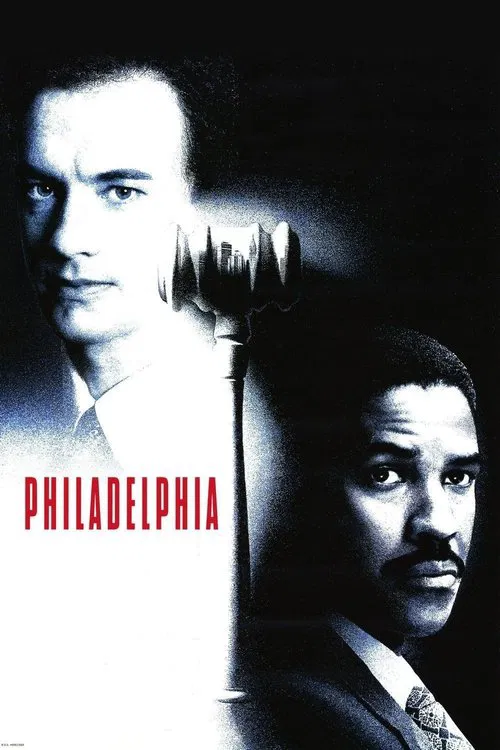
  3. Philadelphia (1993) poster

    Philadelphia

    Jonathan Demme · 1993

    Tom Hanks lost 35 pounds for the part, and the film was shot mostly in order so his body could change as the story did. By the trial you can see how sick Andrew is without anyone saying it.

    Where to see it: The late courtroom scenes. Beckett is thin and weak, and he collapses during the trial.

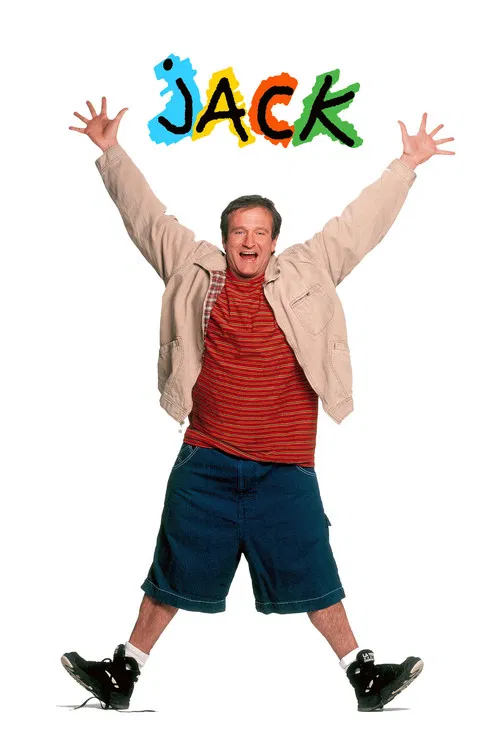
  4. Jack (1996) poster

    Jack

    Francis Ford Coppola · 1996

    Jack's body is his story. His rapid aging sets the limits of his life and shapes what he is allowed to do.

    Where to see it: The stairs. After Miss Marquez rejects his crush, Jack collapses, and tests show early heart problems from his rapid aging.

  5. G.I. Jane (1997) poster

    G.I. Jane

    Ridley Scott · 1997

    Jordan O'Neil's change is something you can see. She goes through 20-hour days of obstacle courses, hauling landing rafts and pushing heavy ship fenders up sand dunes. She also shaves her head. By the end she helps pull the injured Master Chief out of an explosives-filled kill zone.

    Where to see it: Hell week: the third week of selection is the hardest, and most of the candidates who quit do it before the fourth week.

  6. Billy Elliot (2000) poster

    Billy Elliot

    Stephen Daldry · 2000

    Billy goes from a clumsy boy in boxing gloves to a dancer who can audition for the Royal Ballet School. His body and movement show what he is learning. The audition, where he says dancing feels like electricity, shows how far he has come.

    Where to see it: The audition: In London, Billy dances well but punches another boy in frustration, then describes how dancing feels.

  7. The Hours (2002) poster

    The Hours

    Stephen Daldry · 2002

    Nicole Kidman wears a prosthetic nose as Virginia Woolf, and it does more than change her looks. It takes Woolf's sense of being a stranger to herself, and her awareness of being watched, and puts them on the outside. The nose becomes a physical sign of what genius costs.

    Where to see it: Woolf confronting her husband about returning to London. Kidman acts against the prosthetic, and it comes across as self-erasure for both Woolf and Kidman.

  8. Rescue Dawn (2007) poster

    Rescue Dawn

    Werner Herzog · 2007

    The actors lost weight to look like starving prisoners. The production shot in reverse order, so Christian Bale put the weight back on during filming. The body tells you how long and how hard the ordeal is.

    Where to see it: The camp: the prisoners are skinny and exhausted, wearing rags. Months pass, food runs short, and they learn the guards plan to kill them.

  9. The Revenant (2015) poster

    The Revenant

    Alejandro G. Iñárritu · 2015

    DiCaprio's Glass starts the film healthy and ends it barely alive. His body is the film's record of every obstacle he got through. The bear mauling, the hypothermia in the river, the infections and the freezing are the story itself. I feel like his body works as the film's timeline, with each event stored on it.

    Where to see it: Glass's physical state across the film's 3 acts. You go through the mauling, the recovery, the decline and the partial recovery. You can read his body like a map of the story.

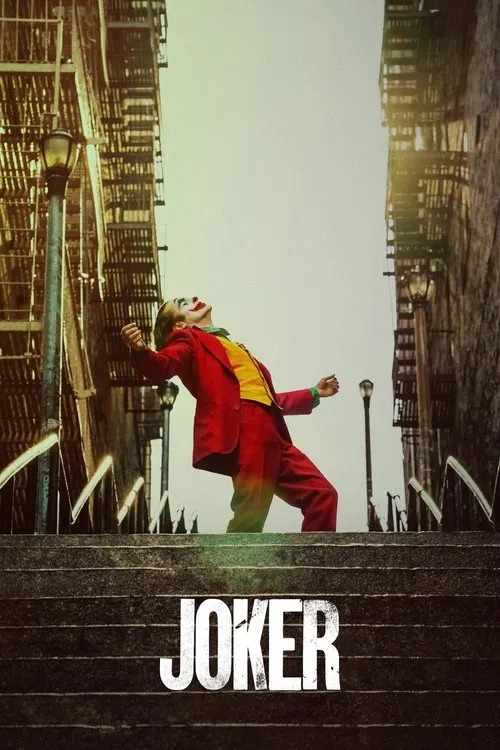
  10. Joker (2019) poster

    Joker

    Todd Phillips · 2019

    Joaquin Phoenix lost 52 pounds for the role, and his body tells Arthur's story on its own, apart from the script. You see the starved frame, the awkward laughter and the way he folds himself into corners. You also see his body change as the Joker comes out. Together, they add up to a second story told in flesh.

    Where to see it: Arthur's dance in the bathroom. His body finds joy and freedom for the first time.

  11. Spider-Man: Brand New Day (2026) poster

    Spider-Man: Brand New Day

    Destin Daniel Cretton · 2026

    Peter wakes up with heightened senses and organic web spinnerets in his wrists after seeing MJ with her new boyfriend. The change is physical, so you can follow his fear through what his body does.

    Where to see it: Powers shifting: Peter notices his abilities changing, which sets the rest of the story in motion.

Questions

Quick answers

What is physical transformation as arc in film?
Showing a character's inner change through their body: weight, posture, movement, injury or recovery. The body becomes a visible record of what happened to them and what it cost.
Which films use physical transformation as arc?
Raging Bull (1980), Come and See (1985), Philadelphia (1993), Jack (1996), G.I. Jane (1997), Billy Elliot (2000) and 5 more films in the CineCode library.
What kind of technique is physical transformation as arc?
It is a narrative technique. Related narrative techniques include Voiceover as Seduction.