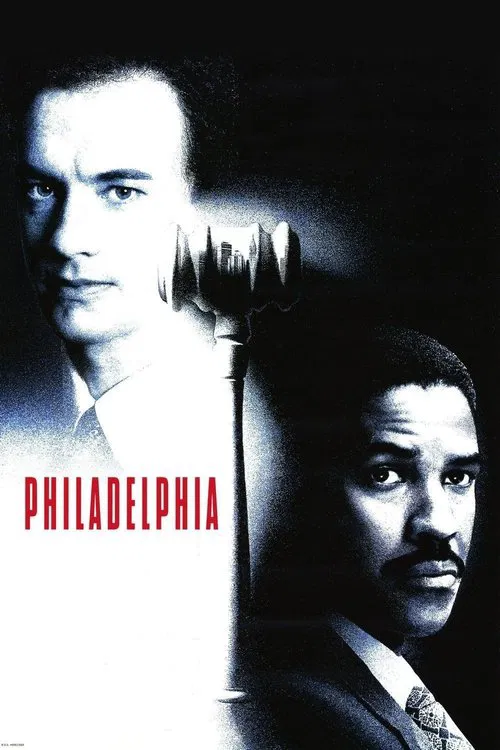
Andrew Beckett is a rising lawyer in Philadelphia who hides that he is gay and has AIDS. When his firm fires him, he asks a homophobic personal injury lawyer to take his case. Demme tells the story as a courtroom drama, which lets ordinary testimony carry the emotional load.
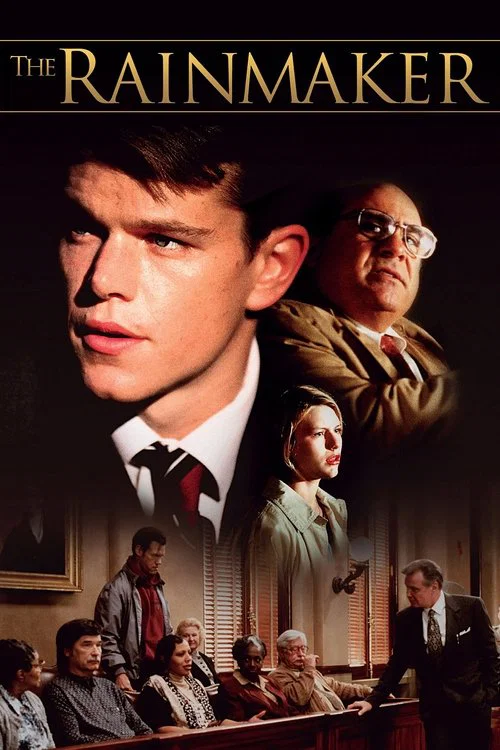
Philadelphia is a 1993 drama film directed by Jonathan Demme. This breakdown covers 4 techniques (2 narrative, 1 psychology and 1 sound), each with the scene where you can see it. If you like how it is made, The Rainmaker uses several of the same techniques.
Staging a trial as a performance, with testimony and cross-examination played like theater. The rules can bring out the truth, or they can hide a verdict that was decided in advance.
How this film uses it
The trial is staged like a play, with each witness giving a different version of the same facts. The firm's partners say Beckett was incompetent and hid his illness, and his lawyer has to show the real reason he was fired. The case is about what the room will admit out loud.
Where to see it
The witness stand. Miller has Beckett unbutton his shirt to show the lesions on his chest, and the firm's partner Charles Wheeler testifies against him.
Showing a character's inner change through their body: weight, posture, movement, injury or recovery. The body becomes a visible record of what happened to them and what it cost.
How this film uses it
Tom Hanks lost 35 pounds for the part, and the film was shot mostly in order so his body could change as the story did. By the trial you can see how sick Andrew is without anyone saying it.
Where to see it
The late courtroom scenes. Beckett is thin and weak, and he collapses during the trial.
Giving a flawed hero a cause, such as one victim or one person to save, that tests their conscience. Their heroism stays tangled with their weaknesses.
How this film uses it
Joe Miller starts out afraid of Andrew and sure he does not want the case. A single moment of watching Andrew be mistreated changes his mind. The cause tests his conscience, and his own flaws stay in the picture.
Where to see it
The law library. Miller sees how people treat Beckett and decides to take the case.
Playing an existing popular song at a precise moment in the film. The song's lyrics, era and associations add irony, period feel or emotion that an original score could not.
How this film uses it
The film opens with Bruce Springsteen's song over shots of the city and the people in it. The song won the Oscar for Best Original Song. Before the story starts, you feel the mood: lonely, quiet and human.
Where to see it
The opening montage. Springsteen's "Streets of Philadelphia" plays over images of the city and its residents.
Questions
Philadelphia: quick answers
What filmmaking techniques does Philadelphia use?
CineCode breaks down 4 techniques in Philadelphia (1993): Legal Theater, Physical Transformation as Arc, Moral Anchor and Rescue and Pop Music Needle Drop.
Who directed Philadelphia?
Jonathan Demme directed Philadelphia, released in 1993. CineCode also covers The Silence of the Lambs (1991).
What films are similar to Philadelphia?
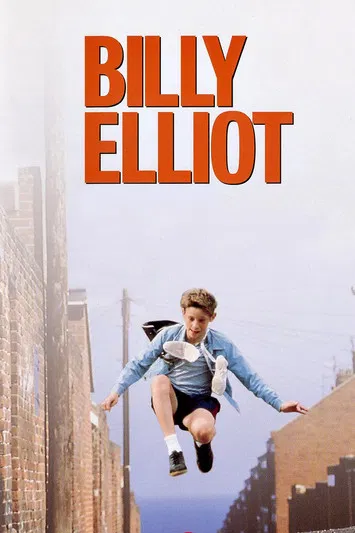
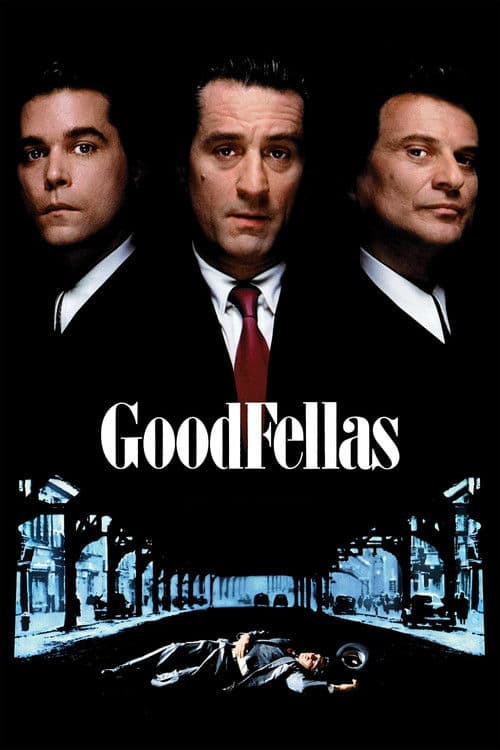
Films that share techniques with Philadelphia include The Rainmaker (1997), Billy Elliot (2000), Goodfellas (1990), The Departed (2006).