Comedy · Drama · Family

Jack

Francis Ford Coppola, 1996

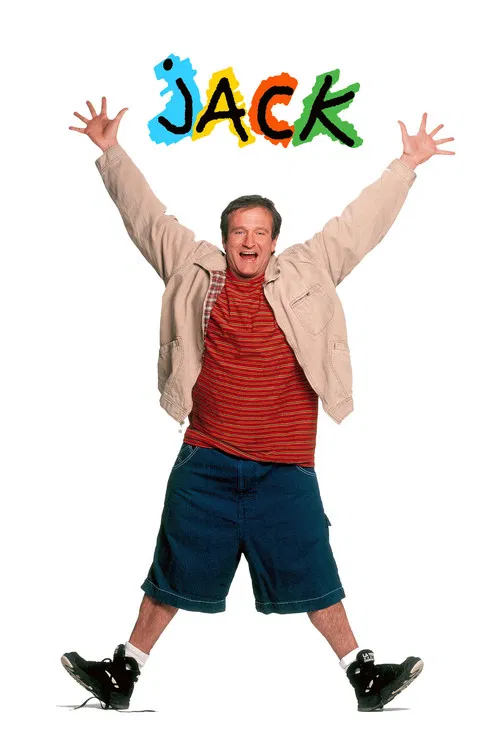
Jack Powell is a 10-year-old boy whose body ages 4 times faster than normal, so he looks 40. After a life at home, he starts school and tries to make friends. Coppola made it as a warm fable and has said that it was close to his own childhood experience of isolation.

Jack (1996) poster

At a glance

Jack is a 1996 comedy, drama and family film directed by Francis Ford Coppola. This breakdown covers 4 techniques (3 narrative and 1 psychology), each with the scene where you can see it. If you like how it is made, Lost in Translation uses several of the same techniques.

Narrative

Fish-Out-of-Water Comedy

Dropping a character into a world whose social rules they don't understand. The comedy, and some insight too, comes from the constant mismatch between them and everyone around them.

How this film uses it

Jack has the body of a 40-year-old and the mind of a 10-year-old, and he walks into a school full of kids his age. The kids and the adults don't know what to make of him. Most of the humor comes from the gap between how he looks and how he acts.

Where to see it

Jack's first days at school. He makes a friend, Louis, who brings him onto a team and into a clubhouse.

Narrative

Physical Transformation as Arc

Showing a character's inner change through their body: weight, posture, movement, injury or recovery. The body becomes a visible record of what happened to them and what it cost.

How this film uses it

Jack's body is his story. His rapid aging sets the limits of his life and shapes what he is allowed to do.

Where to see it

The stairs. After Miss Marquez rejects his crush, Jack collapses, and tests show early heart problems from his rapid aging.

Narrative

Earned Catharsis

Building up to a big emotional release slowly, by investing in the characters and giving small bits of hope. When the release comes, it feels deserved after all the suffering.

How this film uses it

The film waits for the emotional release. After a fight, an arrest and weeks alone in his room, Jack finally gets what he needs when Louis brings the whole class to his yard. It works because the film has shown how lonely he was.

Where to see it

The class arrives. Louis brings the entire class to Jack's yard after weeks of Jack shutting himself in his room.

Psychology

Mortality Confrontation Arc

Making a character face their own death or age, so time becomes visible. The confrontation changes what they value.

How this film uses it

Because Jack ages 4 times faster, his time is short and everyone around him can see it. That pressure turns small joys, like a basketball hoop or a clubhouse, into something precious. His graduation speech about making the most of a short life is the clear payoff.

Where to see it

The graduation speech. Years later, at high school graduation, Jack gives the valedictorian speech about making the most of a short life.

Questions

Jack: quick answers

What filmmaking techniques does Jack use?
CineCode breaks down 4 techniques in Jack (1996): Fish-Out-of-Water Comedy, Physical Transformation as Arc, Earned Catharsis and Mortality Confrontation Arc.
Who directed Jack?
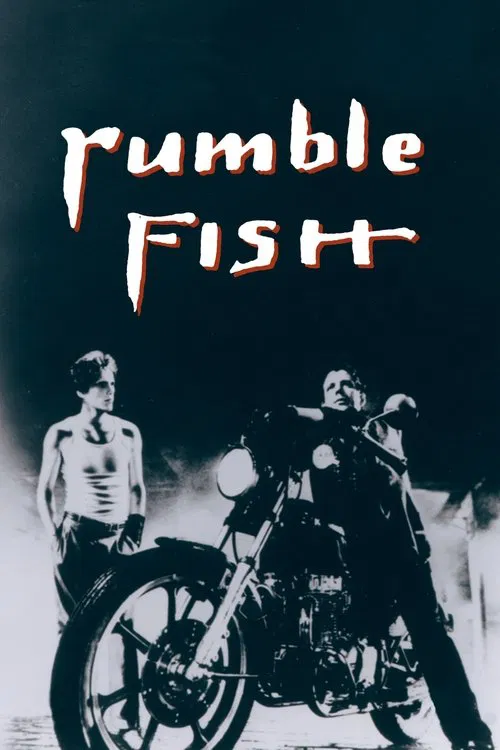
Francis Ford Coppola directed Jack, released in 1996. CineCode also covers The Godfather (1972), The Godfather Part II (1974), The Conversation (1974), Apocalypse Now (1979), The Outsiders (1983), Rumble Fish (1983).
What films are similar to Jack?
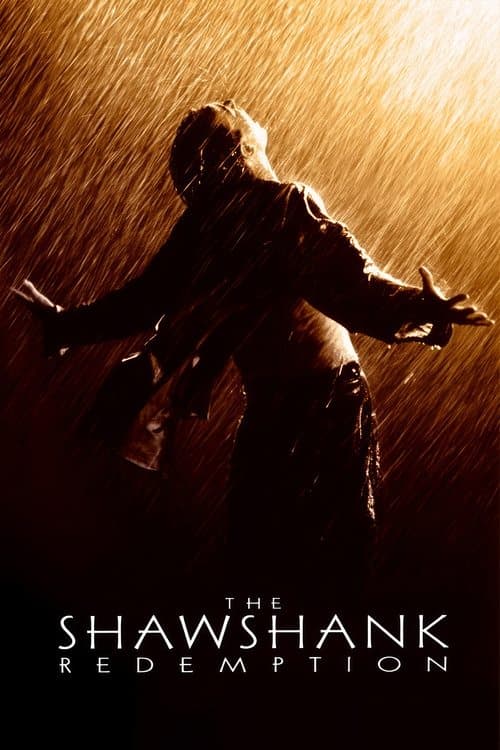
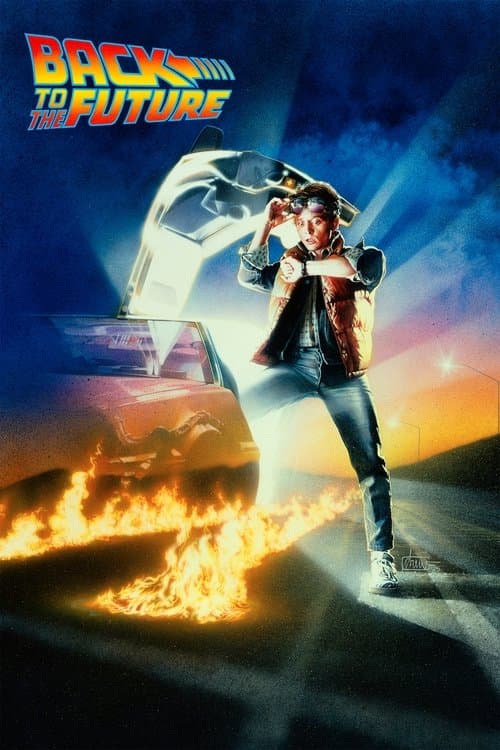
Films that share techniques with Jack include Lost in Translation (2003), The Terminal (2004), The Shawshank Redemption (1994), Back to the Future (1985).