The narrator is selling you something
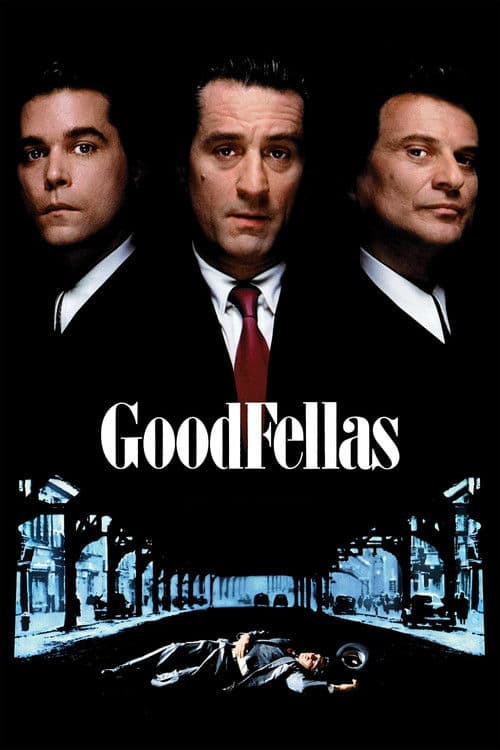
Scorsese loves a voiceover that wants you on its side. In Goodfellas (1990), Henry Hill says he always wanted to be a gangster, and for the first half the narration is proud, funny and full of energy. The film also uses freeze frames when Henry introduces someone, like Jimmy Conway. It feels like memory picking out the people who mattered.
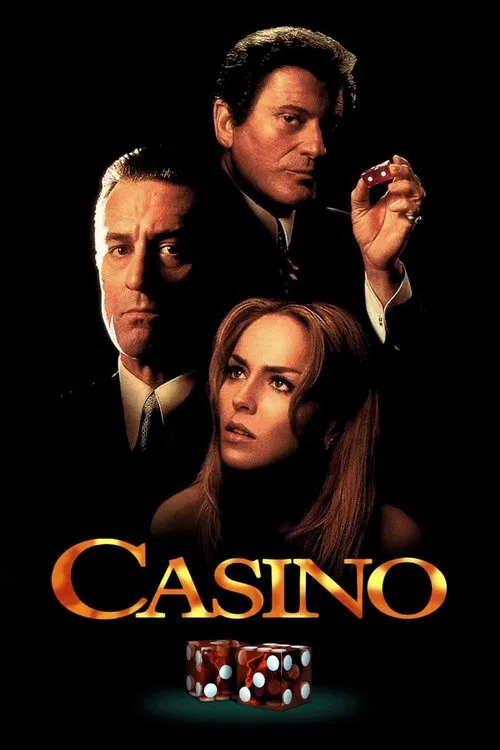
In Casino (1995), Ace and Nicky both narrate, sometimes talking over each other. Ace explains how everyone in the casino watches everyone else. It's relaxed, so you enjoy the tour of a criminal system before you see what it costs. The film opens on a car bomb, then goes back to show how Ace got there, so every good moment plays with that explosion hanging over it. Later, Nicky's narration cuts off mid-sentence in the cornfield as the bats come out, and losing his voice tells you he's gone.
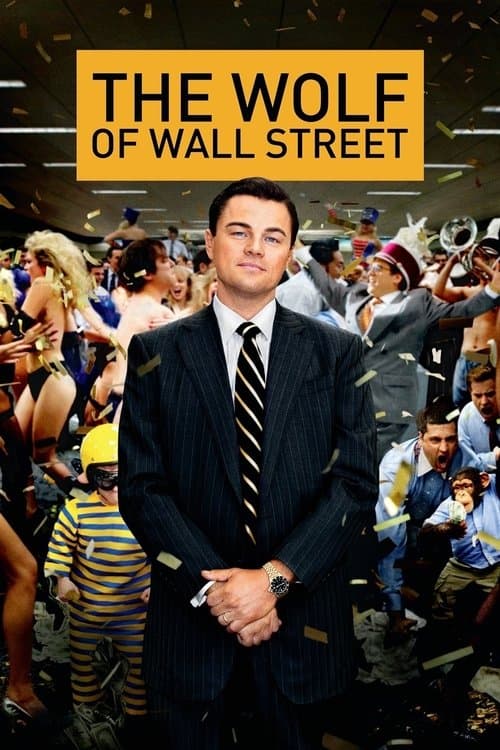
The Wolf of Wall Street (2013) goes one step further and has Jordan Belfort talk straight to the camera. He explains his schemes like a man who loves his job. By the time you dislike him, you've already enjoyed the ride, which is exactly the film's trap.
Songs that comment on the scene
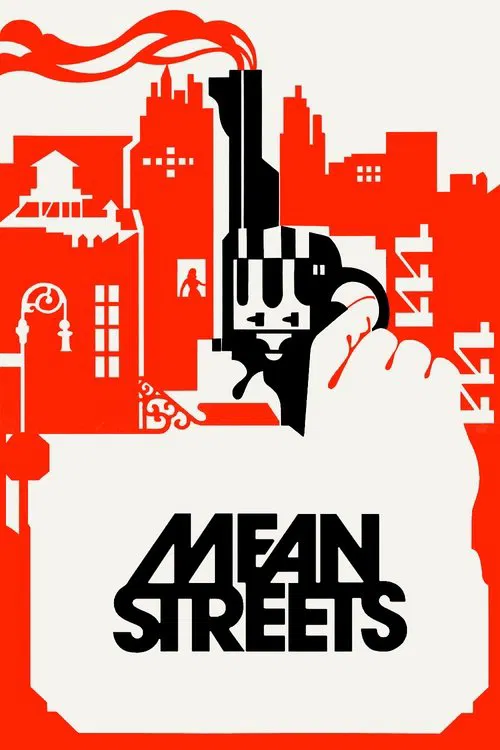
Mean Streets (1973) opens on the Ronettes' Be My Baby, and Johnny Boy walks into a red-lit bar in slow motion to the Rolling Stones. The old-style score wouldn't feel like these guys, so the songs speak for them.
In Goodfellas, the same habit gets sharper. Donovan's Atlantis plays under the Billy Batts beating, so a gentle song sits on top of something brutal. Gimme Shelter and Sunshine of Your Love show up in the darkest sequences, and I feel like each pick is a small moral comment.
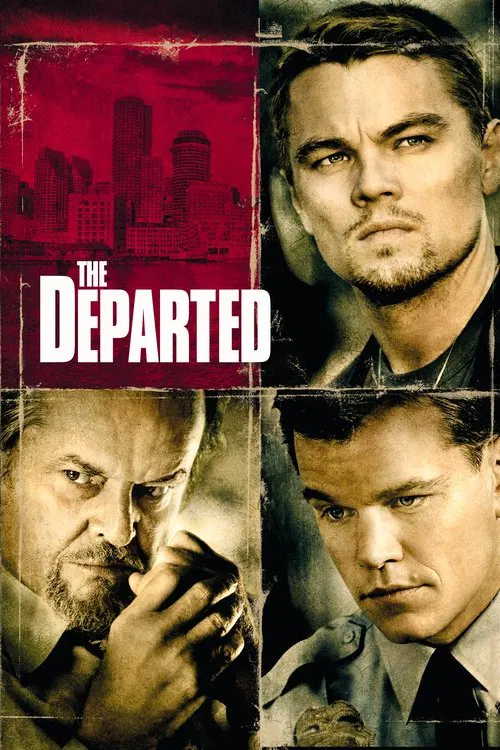
The Departed (2006) opens with Gimme Shelter over old footage of Boston. That ties his Boston to his New York right away, the same moral world in a different city. The Stones are pretty much his signature for the pull of crime and what it costs.
A camera that sits inside the head
Scorsese often shoots what a character feels. In Mean Streets, the camera was strapped to Harvey Keitel on a rig for a drunken walk through a bar, so the room sways with him.
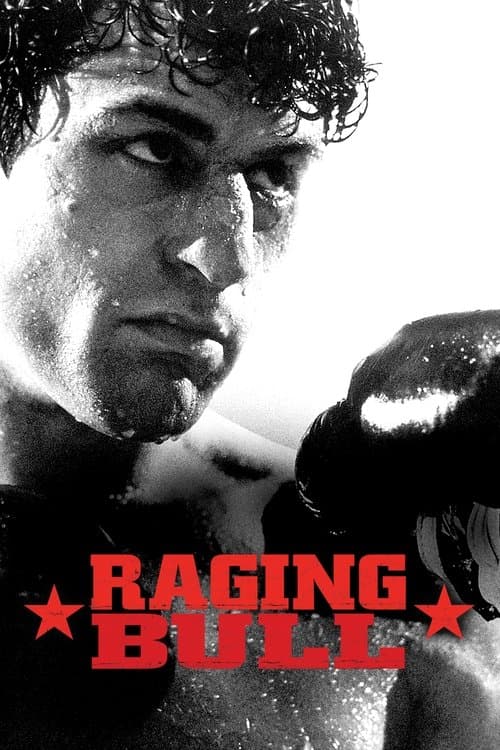
Raging Bull (1980) puts that idea into the ring. The fights cut to LaMotta's point of view, with opponents looming and the crowd warping. The camera speed changes within a single bout, with slow motion for the brutality and overcranked chaos for the confusion. The light is harsh white over the canvas and dark past the ropes, so each fight feels more like a confession than a sport. De Niro put on 60 pounds for the later scenes, and you read the decline in the body.
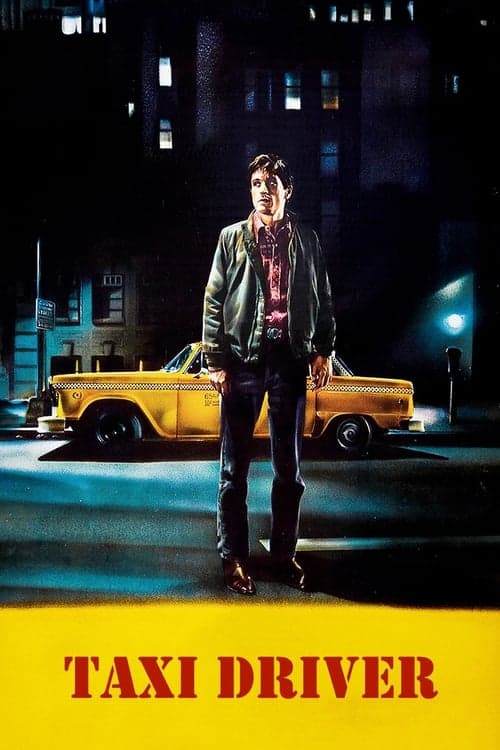
Taxi Driver (1976) applies it to a whole city. New York comes through slow motion, rain-streaked glass and odd angles, so you can't tell what's real and what's in Travis's head. Bernard Herrmann's jazz score never resolves, which matches Travis's circling thoughts.
Men who can't let go
Scorsese keeps coming back to guys with one obsession. Travis in Taxi Driver rehearses a gunfighter in his bathroom mirror, playing both the threat and the hero. His diary voiceover sounds like self-improvement, but every line gets more paranoid. The ending is the clever part. The newspaper calls him a hero and Betsy rides in his cab with admiring eyes, so the film is filmed as triumph while what happened was psychosis.
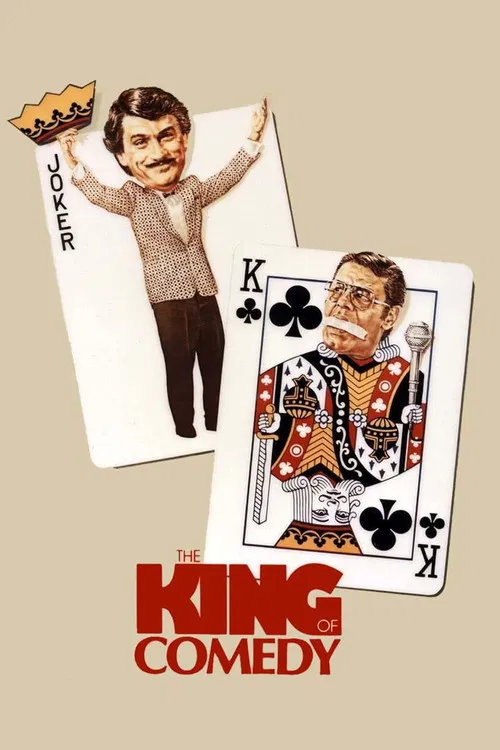
The King of Comedy (1982) turns the same energy into a comedy that hurts. Rupert Pupkin wants a spot on Jerry Langford's talk show, and every scene is him getting closer. He talks to cardboard cutouts in his basement, then kidnaps Jerry. The camera is plain and still, so awkward scenes play out in full. When Rupert turns up uninvited at Langford's country house, the scene doesn't cut away, and you feel the embarrassment long before he does.
Two men, one trap
The Departed is built like a mirror. Costigan is a cop pretending to be a criminal, and Sullivan is a criminal pretending to be a cop. Anything that threatens one threatens the other, and Scorsese cuts between them so you watch two versions of the same trap closing. The phone calls where each tries to find the mole, not knowing he's talking to the other, are the best example.
The film is also about what acting costs. Costigan falls apart, and Sullivan turns truly corrupt. Look in the background, too. Scorsese and his production designer hid X shapes in tile patterns, windows and buildings, and they show up near people who are about to die. It's a fun reason to watch it a second time.
Sitting with the person doing the harm
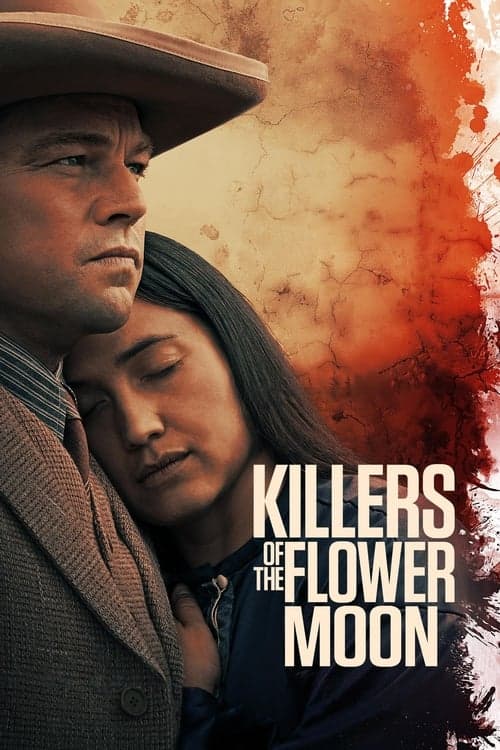
Killers of the Flower Moon (2023) puts Ernest Burkhart at the center instead of the Osage victims. He's too weak and greedy to stop taking part in the murder of his wife's family, and the film makes you stay in that seat. He gives Mollie insulin overdoses while claiming to care for her, shot up close.
William Hale plays the Osage's best friend. He speaks their language and attends their gatherings, and the film intercuts his warmth with his orders for the next murder. At 3 and a half hours, the length makes the killings feel like a slow horror that was ignored for years. The ending moves into a radio drama, with Scorsese reading Mollie's real obituary, then cuts to an overhead shot of a present-day Osage dance. It's a quiet way back to the people who survived.
How to use this when you watch
When you watch a Scorsese film, listen to who is narrating and ask what they want from you. Notice which song is playing and what it's quietly saying about the scene. If you're enjoying yourself a little too much, that's usually the point, so stay with it and see where the film turns.
More guides
- Film Noir Lighting Explained: 8 Films That Nail It
- How Directors Build Suspense: 8 Films That Show You How
- Unreliable Narrator Movies Explained: 9 Films That Fool You
- Non-Linear Movies Explained: 8 Films Told Out of Order
- Long Takes and Oners Explained: 9 Famous One-Shot Scenes
- How Color Tells the Story: 9 Films With Meaningful Palettes