Cinematography technique · used in 2 films

Tracking Shot as Mechanical Dread

Moving the camera smoothly and steadily through a dangerous place or past a series of horrors. The even pace feels like a machine that never tires or hesitates, which builds dread.

Examples

2 films that use it

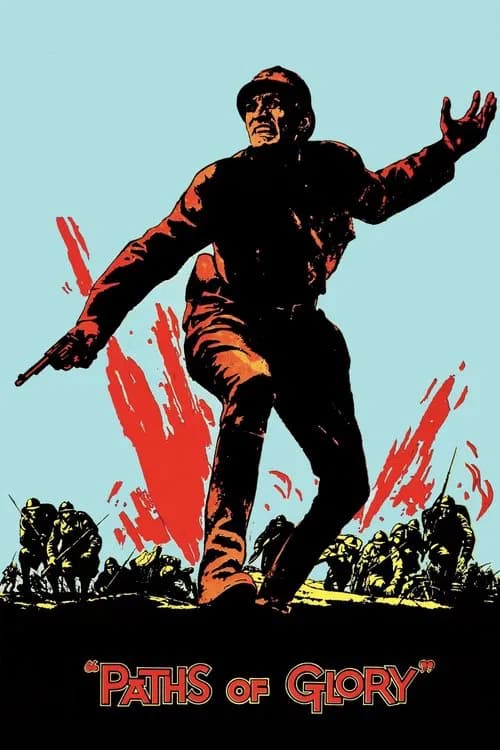
  1. Paths of Glory (1957) poster

    Paths of Glory

    Stanley Kubrick · 1957

    Kubrick's tracking shots, where the camera travels smoothly along with its subject, move through the World War I trenches at walking pace. The camera is unhurried and unstoppable, and it takes note of the conditions. It doesn't react to what it passes. It simply keeps going. The horror ends up feeling like part of the system, with nothing unusual about it.

    Where to see it: Colonel Dax walking the length of the trench before the assault. The tracking shot shows you the conditions the impossible order has to be carried out in.

  2. The Terminator (1984) poster

    The Terminator

    James Cameron · 1984

    Cameron films the Terminator's approach with a fixed, relentless camera. The machine enters the frame and moves without the small variations of a living body. The look of the shots tells you what the Terminator is before any special effect confirms it.

    Where to see it: The police station assault. The Terminator enters and advances through the building room by room. The camera films it with a machine-like steadiness of its own, so the shot moves the way the assault does.

Questions

Quick answers

What is tracking shot as mechanical dread in film?
Moving the camera smoothly and steadily through a dangerous place or past a series of horrors. The even pace feels like a machine that never tires or hesitates, which builds dread.
Which films use tracking shot as mechanical dread?
Paths of Glory (1957), The Terminator (1984).
What kind of technique is tracking shot as mechanical dread?
It is a cinematography technique. Related cinematography techniques include Architectural Class Opposition, Urban Gothic Cinematography, Real Locations as Character.