Comparison · 3 shared techniques

Stalker vs A Ghost Story

Stalker (1979) and A Ghost Story (2017) share 3 techniques. Here is how each film uses them.

Shared

Same technique, two films

Observational Restraint

Watching events from a measured distance with no swelling music, tear-jerking close-ups or showy camera moves. The film trusts what happens to carry the weight on its own.

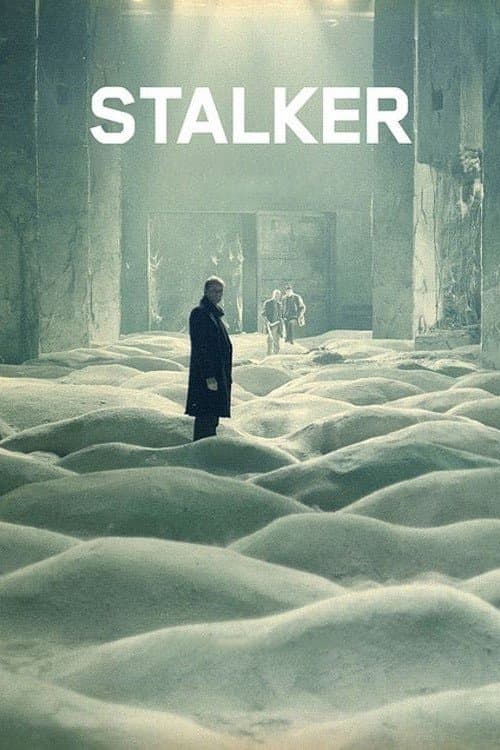
Stalker

Tarkovsky's camera moves slowly, often sideways. It refuses to cut to reactions or to underline the moments you'd normally call dramatic. It watches the Zone with the patience of someone who has all the time in the world, or no time at all. Because the film holds back, you have to bring your own feelings to images it declines to comment on.

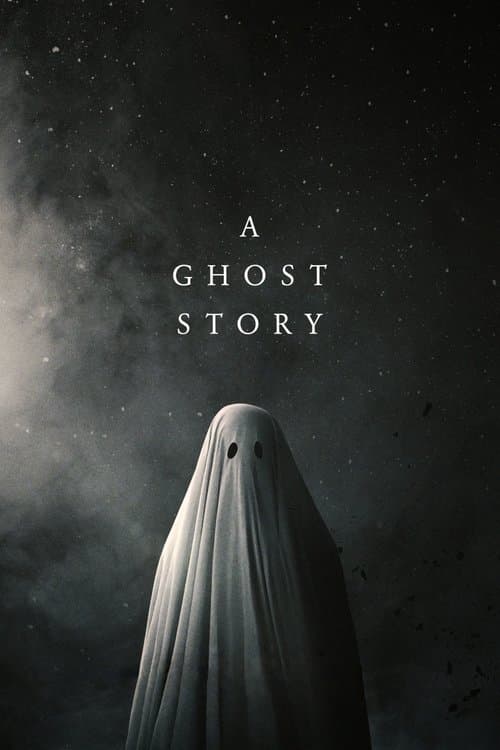
A Ghost Story

The camera watches M grieve, date, move out and disappear with the same detached patience the ghost has. It never cuts to underline a moment and never brings in music to tell you what to feel.

Symbolic Object

Returning to the same physical object again and again until it means more than what it is. It moves the plot and also stands for the film's main ideas.

Stalker

The Room is the central symbol of the film. People describe it, fear it and want it for the whole runtime. It grants the true wishes a person can't consciously admit to, and the wishes they say out loud don't count. The film never shows the Room granting a wish, and what it means is the question the film asks.

A Ghost Story

The note M leaves in the wall crack is the emotional center of the film. C spends the entire runtime trying to reach it. When it is finally read, its contents pretty much are what the film has to say about being remembered.

Slow Build Runtime

Running the film longer than its genre normally needs, on purpose. The extra time lets you live with the characters, so the emotional payoff feels in proportion to the wait.

Stalker

At over 160 minutes, Stalker moves at a pace that can't be hurried. The long takes of grass and water and the silence of the Zone are the substance of the film. The runtime pushes you into its meditative mood, and patience is required here.

A Ghost Story

The film is 92 minutes and feels longer. Lowery holds every shot past the point of comfort. You experience time the way the ghost does: shapeless, unending and broken up only by other people's lives passing through.