Comparison · 3 shared techniques

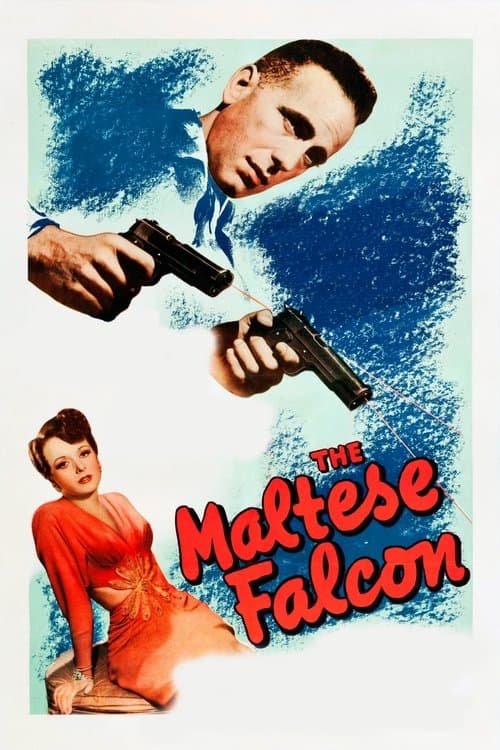
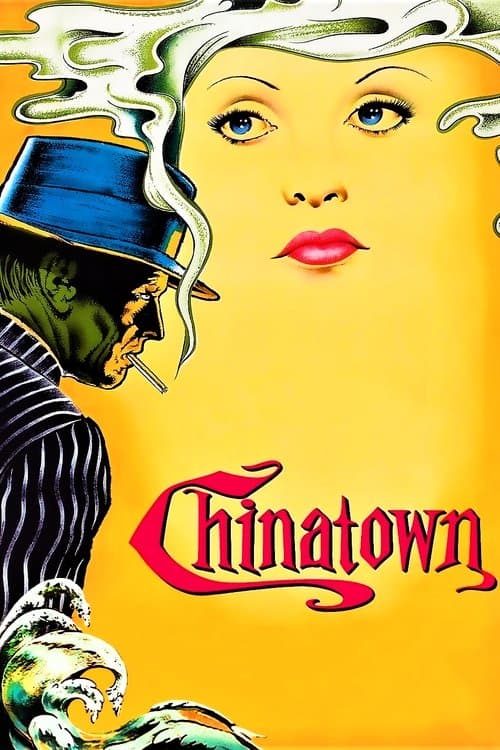
The Maltese Falcon vs Chinatown

The Maltese Falcon (1941) and Chinatown (1974) share 3 techniques. Here is how each film uses them.

Shared

Same technique, two films

Chiaroscuro Lighting

Lighting a scene with strong contrast between bright light and deep shadow, a style borrowed from old paintings called chiaroscuro. How lit a character is hints at their moral or mental state.

The Maltese Falcon

Arthur Edeson's photography sets the look that film noir would copy: faces half in shadow, rooms lit by single lamps, venetian blind patterns on walls. This kind of strong light-and-dark contrast is called chiaroscuro. Every character in the film has a shadowed side, on screen and in their morals. I feel like the lighting is telling you that no one in this world is fully in the light, the detective included.

Chinatown

John Alonzo photographs Los Angeles in the noir tradition of chiaroscuro, with a strong contrast between light and dark. The city looks sunny and corrupt at once, and many first-half scenes sit in deep blacks.

Forensic Inference Narration

Revealing character and motive through physical evidence and a detective's step-by-step reasoning, with no confessions or backstory dumps. You piece together the truth alongside the investigator.

The Maltese Falcon

Spade investigates entirely by watching how people behave. He reads people first, and evidence comes second. Every meeting is an interrogation and he draws a conclusion from every conversation. Huston gives you exactly what Spade has (gestures, contradictions, dodged questions) and lets you reason alongside him. Spade is almost never wrong, and that makes his final choice matter all the more.

Chinatown

Gittes follows the evidence with the confidence of a man who has solved cases before. Polanski gives him every clue he needs (the water at night, the glasses, the land purchases) and shows him reasoning correctly to the wrong conclusions. That makes the tragedy impossible to escape. Gittes is a brilliant detective in a situation that intelligence can't beat.

Unreliable Narrator

Telling the story through a character you can't trust, because they are lying, mentally unwell or fooling themselves. At some point, you have to rethink what you were told.

The Maltese Falcon

Spade is your guide through the film, but he is playing his own game. He is loyal to his own code, and the film never fully spells that code out. Everyone in the film is guilty, so guilt isn't why he turns Brigid in. He does it because of the specific rule she broke. Huston keeps Spade's reasoning from you until the final scene. Until then, you are never sure whose side he is on.

Chinatown

The whole film is told from Gittes' point of view. You know what he knows, you discover what he discovers and you are wrong alongside him. His masculine confidence and professional expertise get taken apart piece by piece. When the investigation fails, it's his way of seeing the world that fails.