Cinematography technique · used in 12 films

Voyeuristic Implication

Placing the camera like a hidden watcher, looking through peepholes, around corners and from concealed spots. You become part of the spying, which makes watching feel morally uneasy.

Examples

12 films that use it

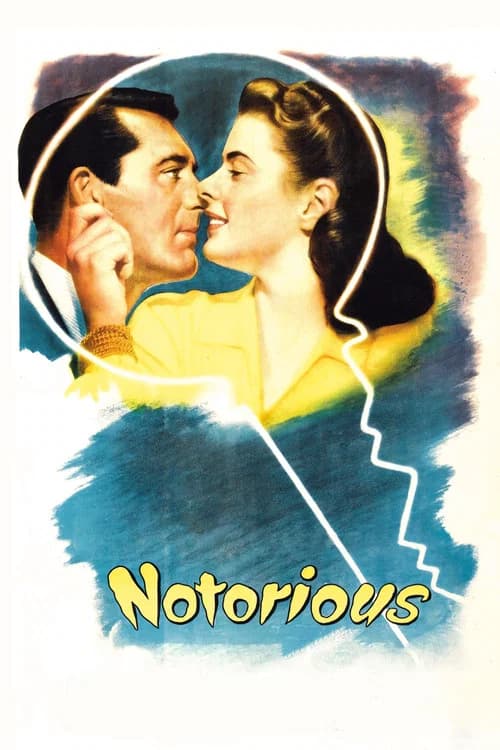
  1. Notorious (1946) poster

    Notorious

    Alfred Hitchcock · 1946

    The film is built around watching. Devlin watches Alicia, Sebastian watches Devlin and the intelligence service watches all of them. Hitchcock makes you part of every layer of that surveillance. In the famous long crane shot, the camera travels down to the wine cellar key in Alicia's hand. That makes you a spy too, complicit in a watching that is also the film's romance.

    Where to see it: The crane shot to the wine cellar key. The camera moves from the top of the staircase to Alicia's closed hand in a single long movement, and you watch from the spy's position.
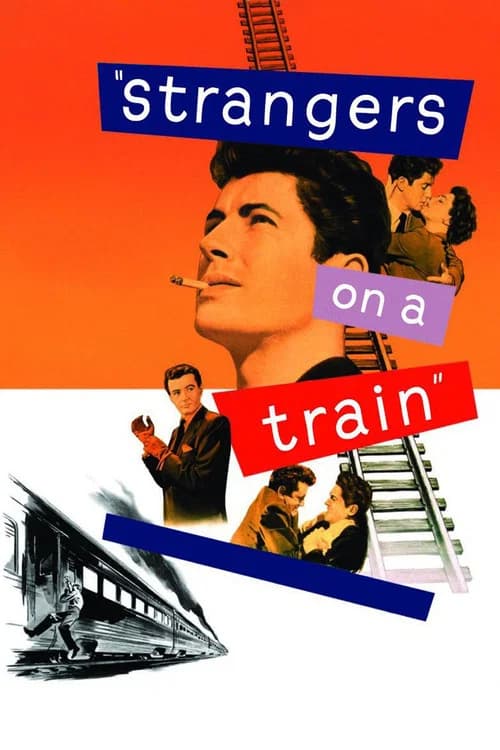
  2. Strangers on a Train (1951) poster

    Strangers on a Train

    Alfred Hitchcock · 1951

    Hitchcock stages the murder as a reflection in Miriam's fallen glasses. You watch it through the warped lens. Framing it this way makes the act of watching feel like part of the crime.

    Where to see it: The strangulation reflected in Miriam's thick glasses lying on the grass. You can only see the murder through the victim's own distorted lens.

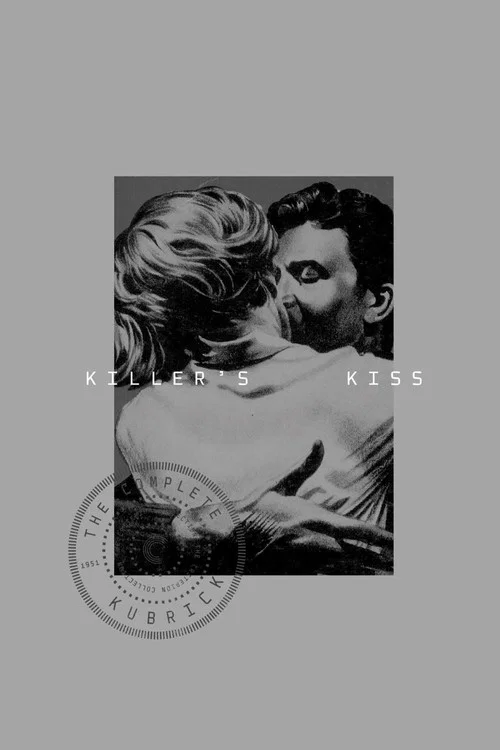
  3. Killer's Kiss (1955) poster

    Killer's Kiss

    Stanley Kubrick · 1955

    Davey and Gloria live in the same building and watch each other through facing windows before they ever really talk. You share their looking, and it makes the relationship feel half secret.

    Where to see it: The apartment windows. The two neighbors watch each other across a gap between their windows, which sets up the love story.

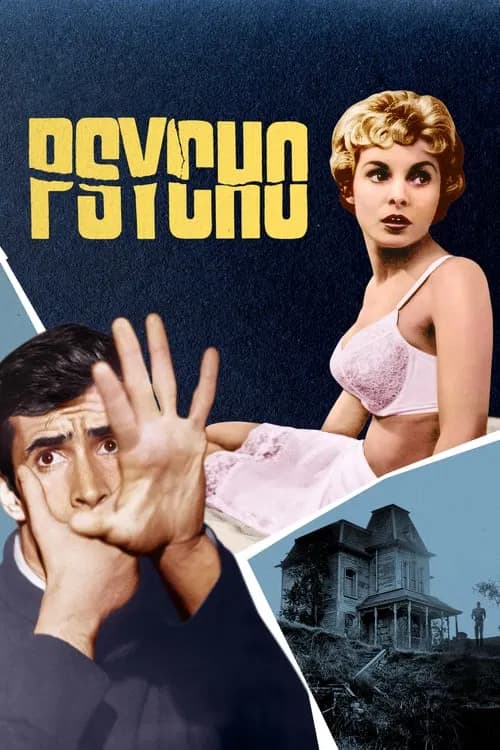
  4. Psycho (1960) poster

    Psycho

    Alfred Hitchcock · 1960

    The peephole shot is where the film says most clearly what it is about. You look through the hole at Marion undressing, and for a moment, you are Norman Bates. Hitchcock is saying that watching a film is itself a kind of peeping. You have been looking through Norman's eye since the first frame.

    Where to see it: Norman at the peephole. The camera that has been watching Marion now shares Norman's view.

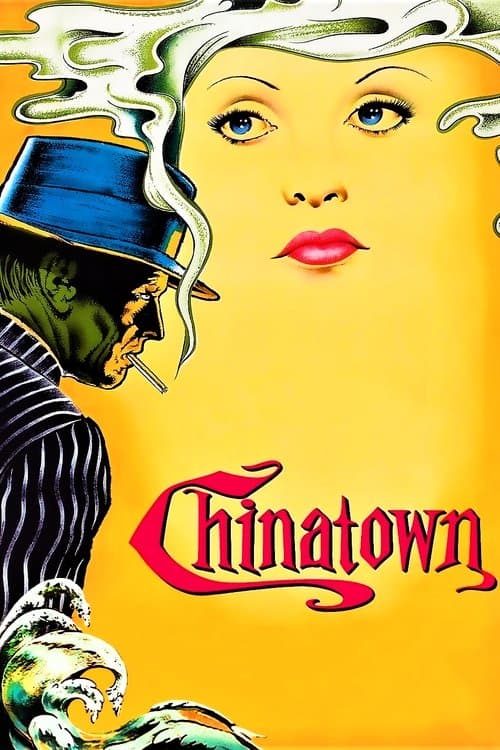
  5. Chinatown (1974) poster

    Chinatown

    Roman Polanski · 1974

    Gittes is a professional voyeur, someone who watches people for a living. The film shows him at it: photographing from a distance, watching through binoculars and eavesdropping. You share his position and his guilt. Later, the watcher becomes the one being watched and his watching is turned against him. At that point, the camera is fully caught up in his vulnerability.

    Where to see it: Gittes photographing Mulwray from a distance. You're in the voyeur's position, and you share in what he sees and in what he misses.

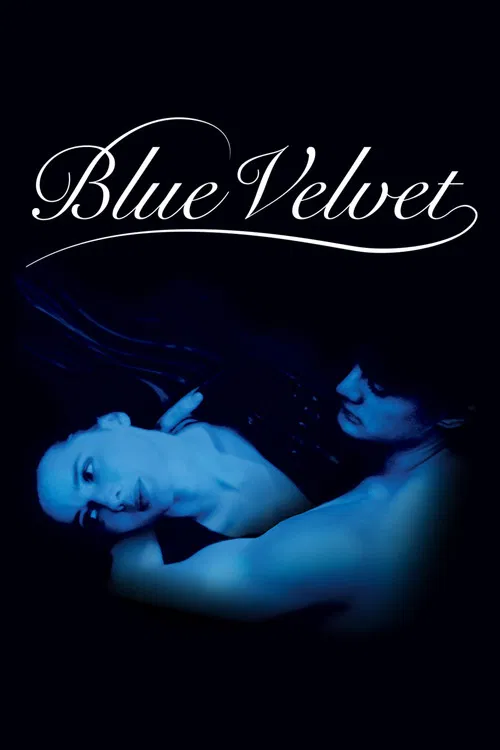
  6. Blue Velvet (1986) poster

    Blue Velvet

    David Lynch · 1986

    Jeffrey hides in Dorothy's closet and watches something he should not see, and the film puts the camera in there with him. You are inside the closet. Lynch refuses to spare you by cutting away. You are part of the watching, and the film knows it. Jeffrey gets drawn in afterward, and that is partly the film telling you that watching is never neutral.

    Where to see it: The closet sequence. The camera is with Jeffrey behind the slats, and you take the peeping tom's position. You have to share in the watching before you can understand anything.

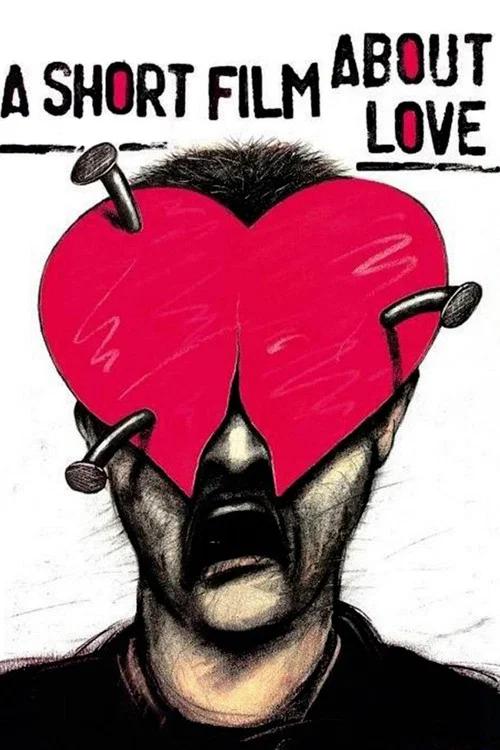
  7. A Short Film About Love (1988) poster

    A Short Film About Love

    Krzysztof Kieślowski · 1988

    The camera sits where Tomek sits, behind a lens and looking in at a lit window. Magda's rooms appear small and bright, like a stage, while his own side of the frame is dark. You feel like you are hiding in the dark with him.

    Where to see it: The telescope views: the film cuts to what Tomek sees through the lens, with Magda framed in her window. She is far enough away to feel unreachable.

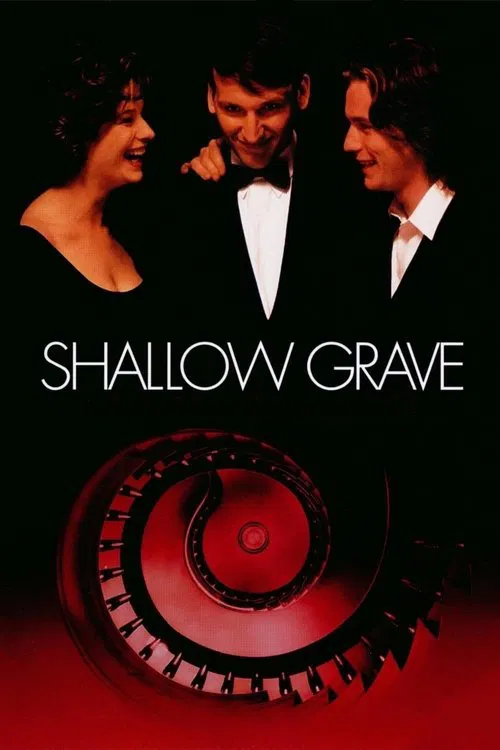
  8. Shallow Grave (1994) poster

    Shallow Grave

    Danny Boyle · 1994

    David hides in the attic and watches his friends through holes in the floor. The camera shares his spy's view, so you feel as guilty as he is for watching. It makes the friends look like strangers.

    Where to see it: Attic holes: David hides the suitcase in the attic, moves in and drills holes in the floor to watch the living space below.

  9. True Lies (1994) poster

    True Lies

    James Cameron · 1994

    Harry uses agency surveillance to watch his wife. The audience watches along with him, which makes it hard to side with him. The comedy works because the spying is wrong.

    Where to see it: Harry spies on Helen: suspecting an affair, Harry has the agency watch his wife.

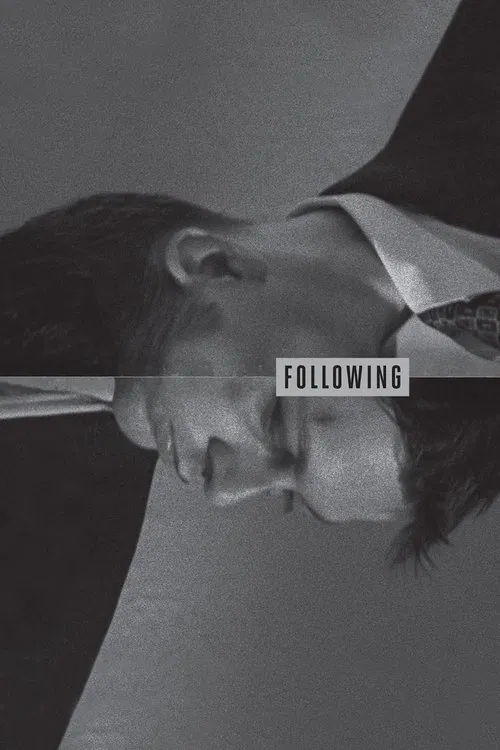
  10. Following (1998) poster

    Following

    Christopher Nolan · 1998

    The film starts with watching. Bill picks strangers in the street and trails them, and the camera follows from behind him. You're spying along with him, which makes you a little complicit.

    Where to see it: Bill on following. In voiceover, he explains how he picked strangers out of the crowd and trailed them through London.

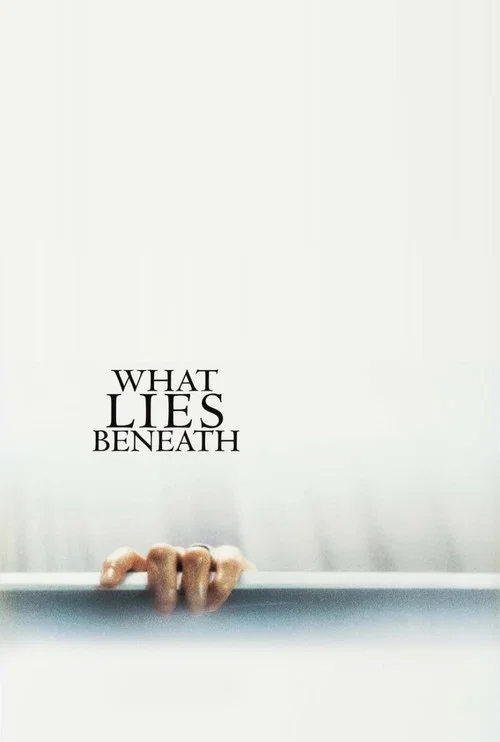
  11. What Lies Beneath (2000) poster

    What Lies Beneath

    Robert Zemeckis · 2000

    Claire watches her neighbors, and you watch with her. The film borrows the feeling of Hitchcock's spying thrillers. It makes you complicit in her suspicion.

    Where to see it: The neighbors: Claire suspects Warren Feur of killing his wife and watches the house next door.

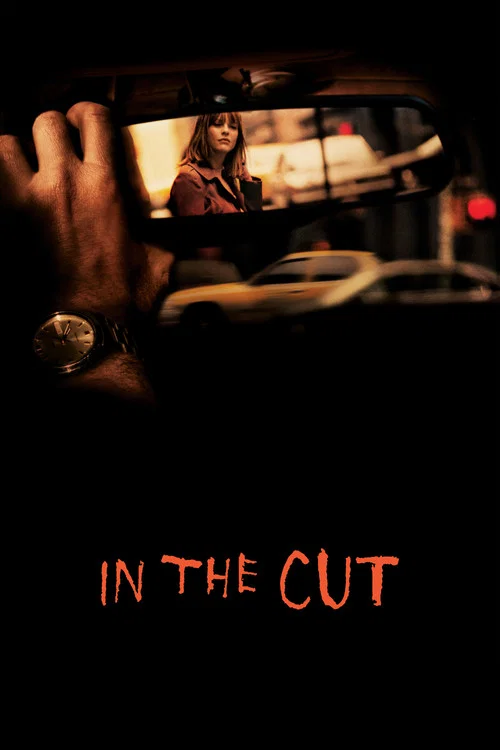
  12. In the Cut (2003) poster

    In the Cut

    Jane Campion · 2003

    Frannie sees something she was never meant to see, and the film puts you in the same position. In a dark bar basement she glimpses a man with a tattoo and a woman with blue fingernails. That small glimpse becomes the clue the whole story hangs on.

    Where to see it: Bar basement: on her way to the bathroom, Frannie sees a woman and a man in a sexual encounter. In the dark she can still make out a 3 of spades tattoo on his wrist and the woman's blue fingernails.

Questions

Quick answers

What is voyeuristic implication in film?
Placing the camera like a hidden watcher, looking through peepholes, around corners and from concealed spots. You become part of the spying, which makes watching feel morally uneasy.
Which films use voyeuristic implication?
Notorious (1946), Strangers on a Train (1951), Killer's Kiss (1955), Psycho (1960), Chinatown (1974), Blue Velvet (1986) and 6 more films in the CineCode library.
What kind of technique is voyeuristic implication?
It is a cinematography technique. Related cinematography techniques include Chiaroscuro Lighting, Handheld Cinema Vérité.