Comedy · Romance

Anything Else

Woody Allen, 2003

Jerry is a young New York comedy writer who cannot leave anyone who is bad for him, including his girlfriend Amanda, his manager and his analyst. Dobel, an older teacher with paranoid advice, pushes him to cut loose. Worth watching for how the film shows a hero learning to say no by listening to a very unreliable guide.

Anything Else (2003) poster

At a glance

Anything Else is a 2003 comedy and romance film directed by Woody Allen. This breakdown covers 5 techniques (3 narrative, 1 psychology and 1 cinematography), each with the scene where you can see it. If you like how it is made, Annie Hall uses several of the same techniques.

Narrative

The Mentor-Monster Dynamic

Making the character who threatens the hero most also the one who helps them most. You can't separate the danger from the guidance.

How this film uses it

Dobel tells Jerry that Amanda is probably cheating and that he should leave New York. He is also paranoid and talks Jerry into buying a rifle and an emergency kit. He turns out to be right about Amanda. Even so, you never fully trust him, and neither does Jerry.

Where to see it

The Central Park conversations. Dobel gives Jerry odd philosophy and sharp warnings about Amanda during their afternoon walks.
Psychology

Toxic Codependency

Showing two people bound together by mutual harm or guilt. They cannot leave and cannot heal, and the bond feeds on its own cruelty.

How this film uses it

Jerry stays with Amanda, his manager Harvey and his analyst because he feels bad about walking away. Dobel reads this as a fear of being alone. The story is Jerry slowly cutting each tie, and you feel the relief when he does.

Where to see it

The restaurant with Harvey. Jerry refuses to extend their contract and announces that he is done working with him.

Narrative

Circular Structure

Ending the film where it started, or with a scene that echoes the opening. The repeat shows what has changed, or suggests the cycle will keep going.

How this film uses it

Early on, Dobel tells Jerry about a taxi driver who answered his fear of existence by saying life is "like anything else." The film ends in a taxi, where Jerry makes the same remark about life's mystery and gets the same answer. The echo shows he has taken in Dobel's odd wisdom.

Where to see it

The final taxi ride. On the way to the airport, Jerry talks to the driver about the mystery of existence and hears "like anything else."

Narrative

Non-Linear Narrative

Telling the story out of order by jumping between time periods. The order you see events in changes how you understand them.

How this film uses it

The story steps back more than a year to show how Jerry met Amanda. He was dating Brooke, she was dating his friend Bob, and he pretended to share her interests. Seeing the start of the affair makes the present, loveless relationship hurt more.

Where to see it

The flashback to the double date. Jerry is drawn to Amanda at once, then calls her about a trip to a record store and they kiss.

Cinematography

Real Locations as Character

Filming in recognizable real places so the setting acts like part of the cast. Streets, buildings and landscapes shape the mood of the story.

How this film uses it

Jerry and Dobel spend their days walking and talking in Central Park, and the film ends with a taxi ride to the airport. New York is the place Jerry has to leave to grow up, so the city feels like part of what holds him back.

Where to see it

Central Park. Dobel and Jerry walk through the park and trade advice about love, fear and survival.

Questions

Anything Else: quick answers

What filmmaking techniques does Anything Else use?
CineCode breaks down 5 techniques in Anything Else (2003): The Mentor-Monster Dynamic, Toxic Codependency, Circular Structure, Non-Linear Narrative and Real Locations as Character.
Who directed Anything Else?
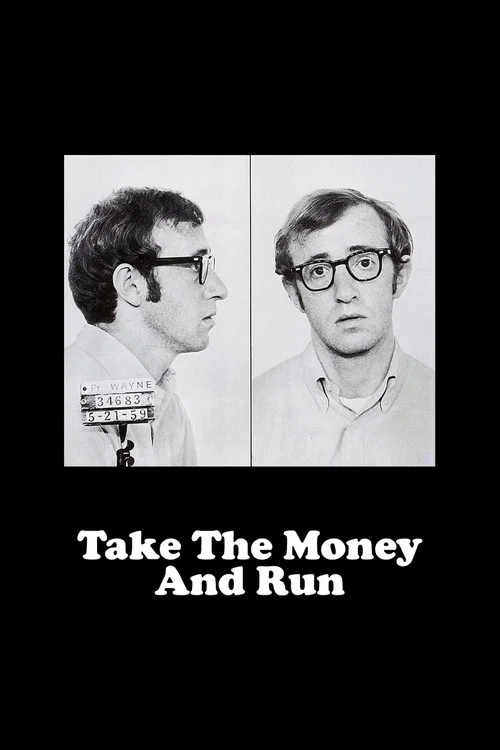
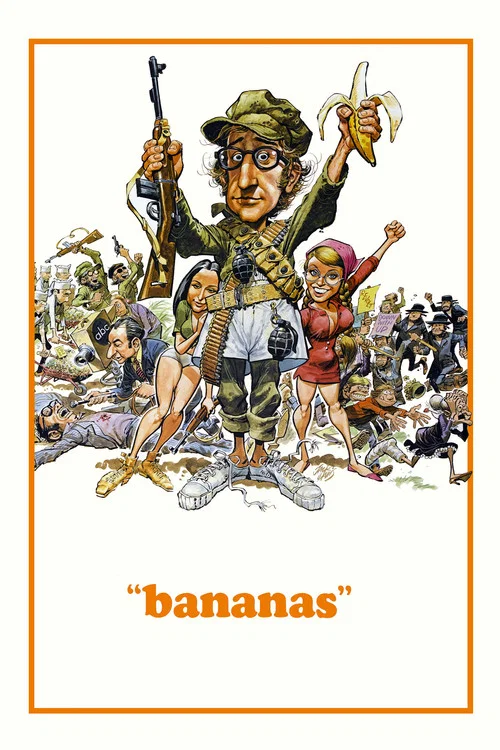
Woody Allen directed Anything Else, released in 2003. CineCode also covers Take the Money and Run (1969), Bananas (1971), Everything You Always Wanted to Know About Sex *But Were Afraid to Ask (1972), Sleeper (1973), Love and Death (1975), Annie Hall (1977).
What films are similar to Anything Else?
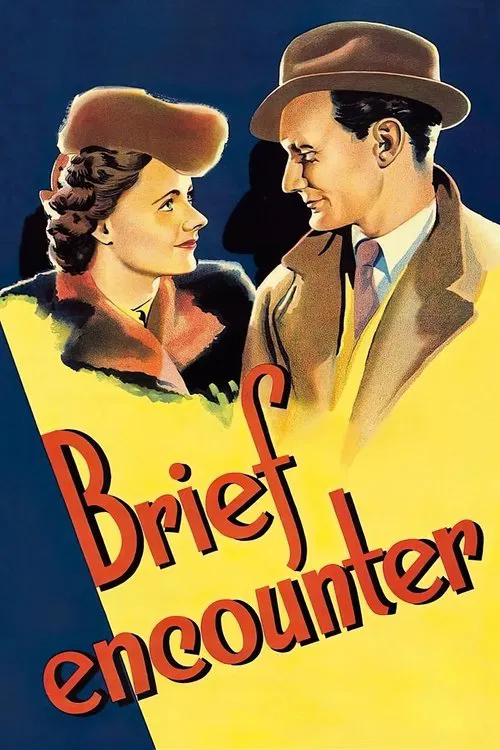
Films that share techniques with Anything Else include Annie Hall (1977), Hard Eight (1997), Brief Encounter (1945), Somewhere (2010).