Romance · Drama

Brief Encounter

David Lean, 1945

Two married strangers meet when a doctor removes a piece of grit from a woman's eye at a railway station. They fall in love over a few Thursdays. It is a quiet story of people who never say what they feel, set against a Rachmaninoff piano concerto.

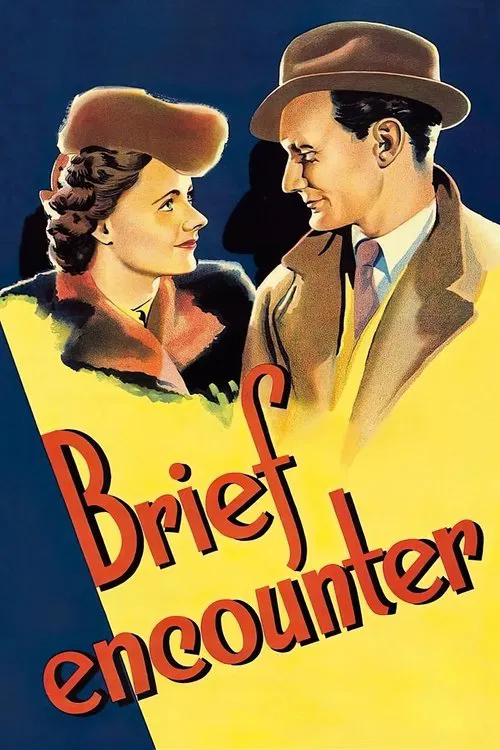
Brief Encounter (1945) poster

At a glance

Brief Encounter is a 1945 romance and drama film directed by David Lean. This breakdown covers 5 techniques (2 narrative, 1 sound, 1 psychology and 1 cinematography), each with the scene where you can see it. If you like how it is made, Somewhere uses several of the same techniques.

Narrative

Retrospective Voiceover

Having a narrator tell the story from some point after it happened. The events feel like memory, and you sense early on that something will be lost.

How this film uses it

Laura tells the whole story in her head to her husband, looking back on an affair that is over. Because you know it has ended, every happy meeting feels like something already lost. The narration makes the film a confession.

Where to see it

The living room. Laura sits with her husband and imagines telling him everything.

Sound

Classical Music as Score

Using existing classical pieces as the soundtrack, with no newly composed score. The music brings its own history, cultural weight and emotion into the film.

How this film uses it

Rachmaninoff's Piano Concerto No. 2 plays throughout, and you hear it when Laura's feelings swell. The big romantic music says what two polite people will not. It is a way into feelings they keep hidden.

Where to see it

The recurring concerto. The music rises as Laura's feelings for Alec grow.

Psychology

Repressed Emotion

Showing a character who holds feelings down until they leak out or burst. The performance lives in what is withheld, and the release lands harder for the wait.

How this film uses it

Laura and Alec say little and stay polite even when they are falling apart. What they hold back is what you notice. A held look says more than a speech would.

Where to see it

The last meeting. They sit in the refreshment room and cannot say a proper goodbye.

Narrative

Circular Structure

Ending the film where it started, or with a scene that echoes the opening. The repeat shows what has changed, or suggests the cycle will keep going.

How this film uses it

The film opens in the station refreshment room and returns to the same scene at the end. The first time, you see only an awkward interruption. The second time, you know what it cost.

Where to see it

The refreshment room. Dolly Messiter interrupts their last moments, and Alec's train arrives.

Cinematography

Real Locations as Character

Filming in recognizable real places so the setting acts like part of the cast. Streets, buildings and landscapes shape the mood of the story.

How this film uses it

Much of the film was shot at Carnforth station in Lancashire. The platforms, the bridge and the steam trains give the story an ordinary, everyday setting. The station is where all the feeling is stored.

Where to see it

Milford Junction. Laura and Alec meet on the station platform and in the refreshment room.

Questions

Brief Encounter: quick answers

What filmmaking techniques does Brief Encounter use?
CineCode breaks down 5 techniques in Brief Encounter (1945): Retrospective Voiceover, Classical Music as Score, Repressed Emotion, Circular Structure and Real Locations as Character.
Who directed Brief Encounter?
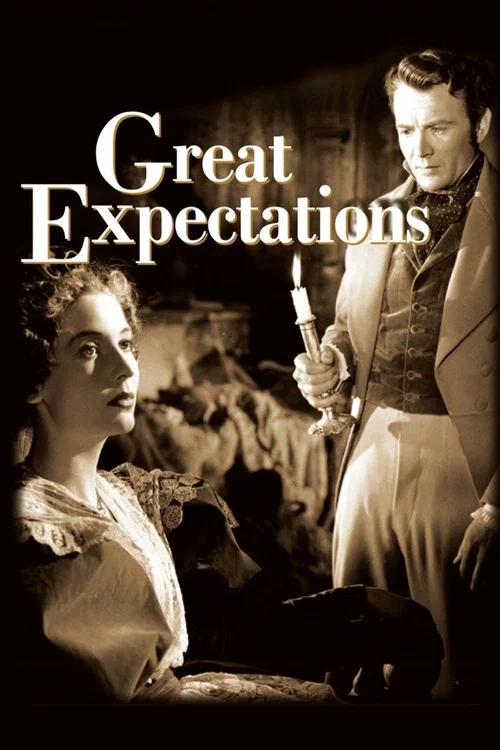
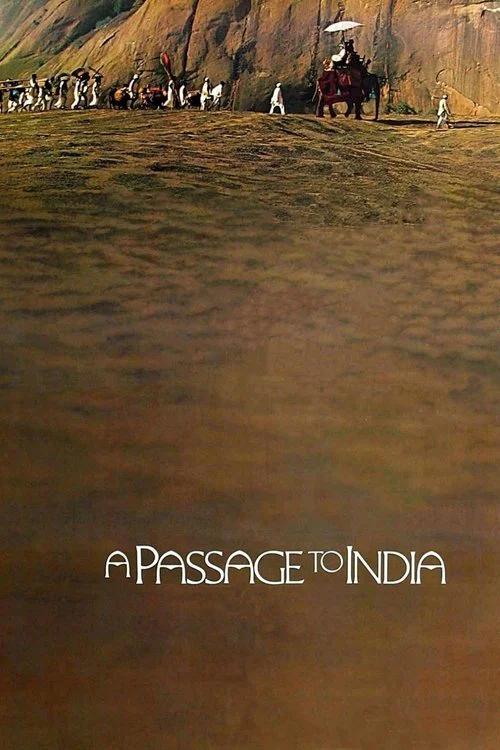
David Lean directed Brief Encounter, released in 1945. CineCode also covers Great Expectations (1946), The Bridge on the River Kwai (1957), Lawrence of Arabia (1962), Doctor Zhivago (1965), A Passage to India (1984).
What films are similar to Brief Encounter?
Films that share techniques with Brief Encounter include Somewhere (2010), Manhattan (1979), The Man Who Wasn't There (2001), Love and Death (1975).

Side by side

Compare it with