Crime · Drama · Thriller

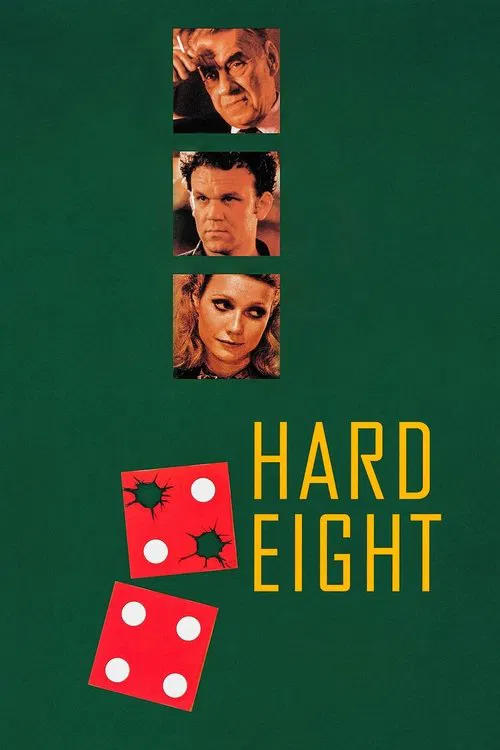
Hard Eight

Paul Thomas Anderson, 1997

An older gambler named Sydney takes a broke young man under his wing and teaches him how to work the casinos. Years later, a secret from the past threatens them both. It's Anderson's first feature. Watch how small gestures hide a big secret.

Hard Eight (1997) poster

At a glance

Hard Eight is a 1997 crime, drama and thriller film directed by Paul Thomas Anderson. This breakdown covers 5 techniques (3 narrative, 1 psychology and 1 editing), each with the scene where you can see it. If you like how it is made, Anything Else uses several of the same techniques.

Narrative

The Mentor-Monster Dynamic

Making the character who threatens the hero most also the one who helps them most. You can't separate the danger from the guidance.

How this film uses it

Sydney helps John with money, advice and a place in the world. He is also tied to the thing that could destroy John, and you can read him as both father figure and danger. The help and the danger come from the same man.

Where to see it

The diner meeting. Sydney buys John coffee and offers him a way out, and the generous act hides how he got there.

Narrative

Circular Structure

Ending the film where it started, or with a scene that echoes the opening. The repeat shows what has changed, or suggests the cycle will keep going.

How this film uses it

The film begins and ends in a diner. The first time, Sydney offers a stranger coffee. The last time, he returns and covers his bloodstained cuff. The repeat shows what the friendship cost.

Where to see it

The last diner scene. Sydney returns to the diner and pulls his jacket sleeve over his bloodstained cuff.

Narrative

Withheld Murder Scene

Never showing the act of violence itself. You only see the aftermath or hear characters describe it, and your imagination fills in what happened.

How this film uses it

The rumor that Sydney killed John's father in Atlantic City is told and never shown. Jimmy hears it and uses it to blackmail him. Your imagination fills in the worst version.

Where to see it

The blackmail scene. Jimmy threatens to tell John what he heard about the killing.

Psychology

Guilt as Hidden Motive

Letting a character's guilt over a past wrong shape what they do now. The wrong may come out late or only be hinted at, but it colors every choice.

How this film uses it

Sydney pays for John's coffee and his lessons and cleans up the mess John makes in Reno. You can read his generosity as a way to repay a debt. When the secret comes out, every kind act looks different.

Where to see it

The motel cleanup. Sydney removes the evidence and sends John and Clementine away on a honeymoon.

Editing

Time Compression Editing

Squeezing long spans of story time into a few minutes of cutting, so you feel how years pass, routines harden or a relationship deepens without seeing every step.

How this film uses it

After the diner and the first lessons, the film jumps two years ahead to Reno. John is now Sydney's protégé and works the casinos like him. You feel how close they have become without seeing it happen.

Where to see it

The jump to Reno. Two years after the diner, John is Sydney's protégé and has made friends of his own.

Questions

Hard Eight: quick answers

What filmmaking techniques does Hard Eight use?
CineCode breaks down 5 techniques in Hard Eight (1997): The Mentor-Monster Dynamic, Circular Structure, Withheld Murder Scene, Guilt as Hidden Motive and Time Compression Editing.
Who directed Hard Eight?
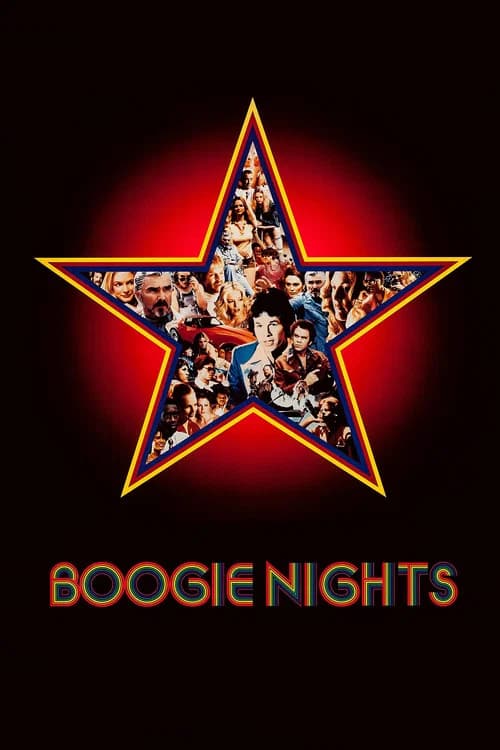
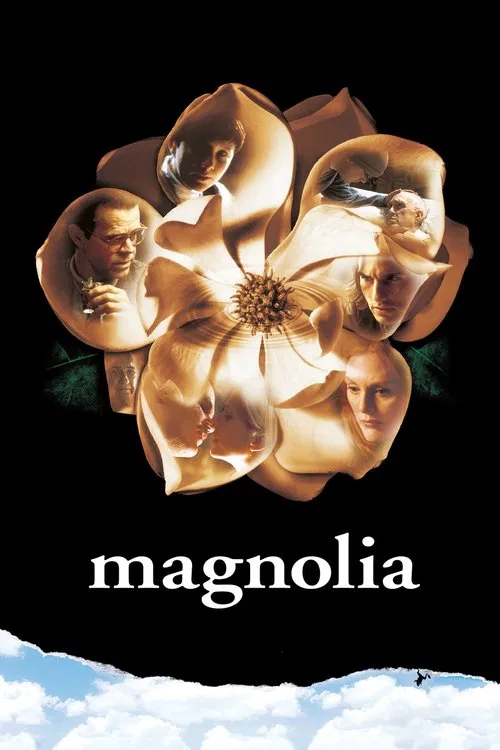
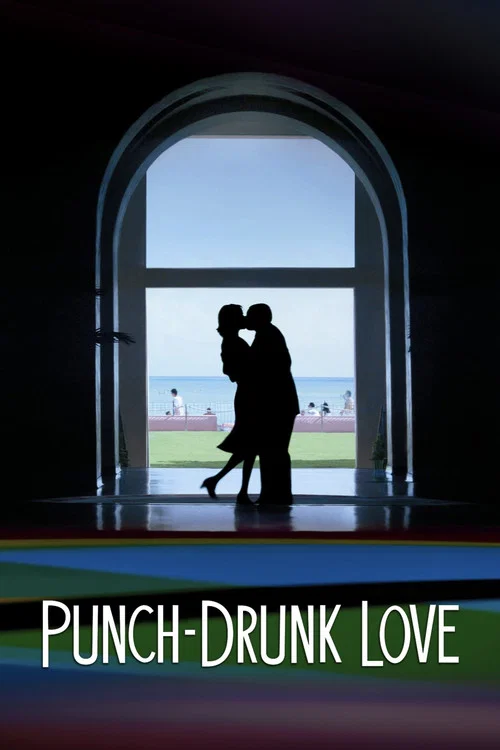
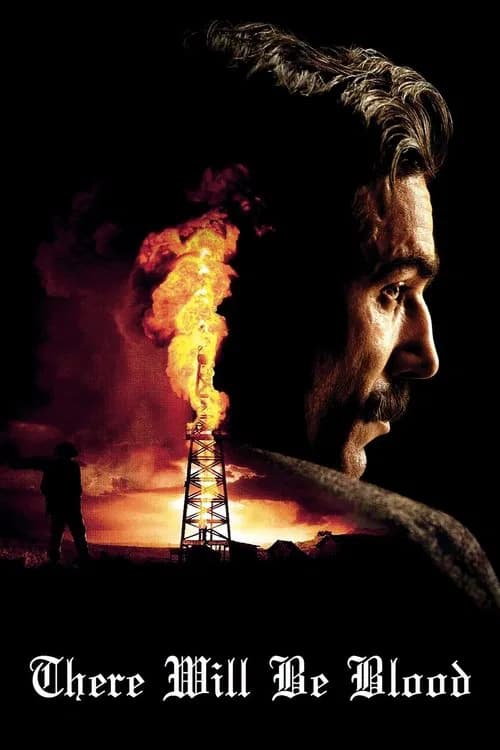
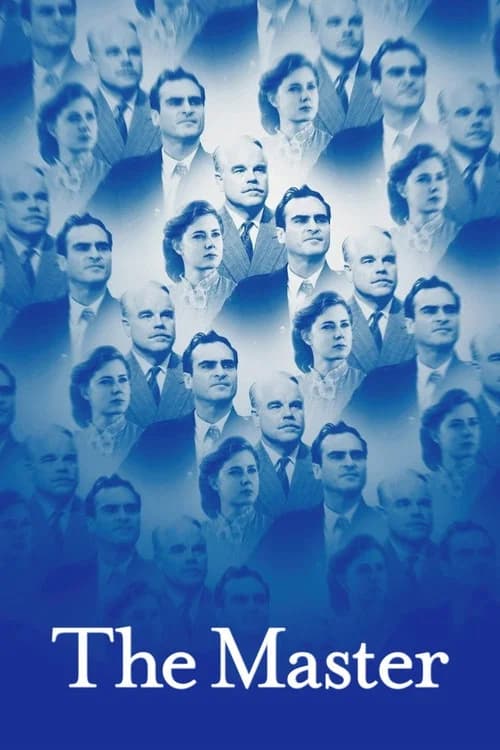
Paul Thomas Anderson directed Hard Eight, released in 1997. CineCode also covers Boogie Nights (1997), Magnolia (1999), Punch-Drunk Love (2002), There Will Be Blood (2007), The Master (2012), Inherent Vice (2014).
What films are similar to Hard Eight?
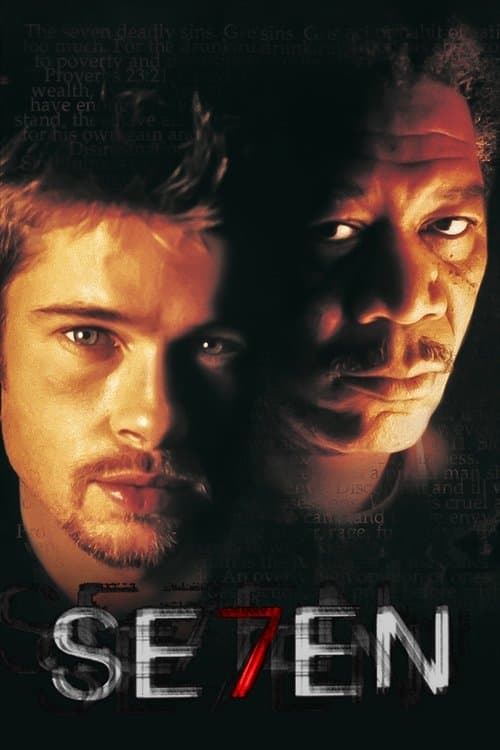
Films that share techniques with Hard Eight include Anything Else (2003), Eternal Sunshine of the Spotless Mind (2004), Forrest Gump (1994), Se7en (1995).