Animation · Fantasy · Adventure

Beowulf

Robert Zemeckis, 2007

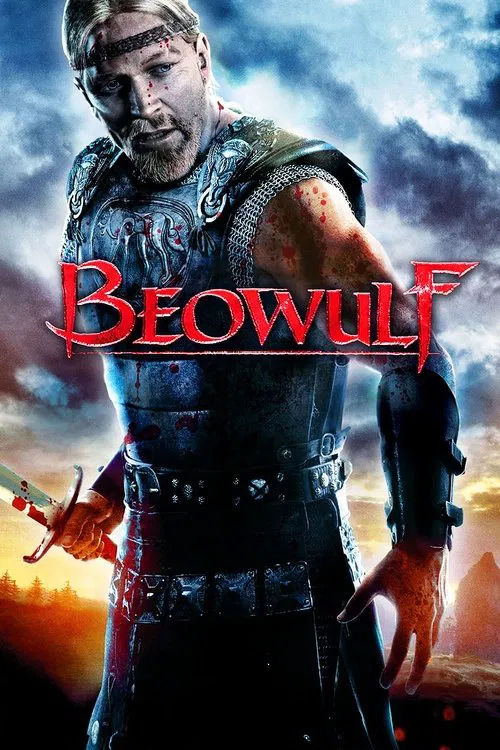
In 507, the warrior Beowulf sails to Denmark to kill the monster Grendel, then strikes a secret deal with Grendel's mother that follows him for 50 years. It is a myth retold as a story about a hero's lies. Watch how real actors' performances were turned into fully digital characters.

Beowulf (2007) poster

At a glance

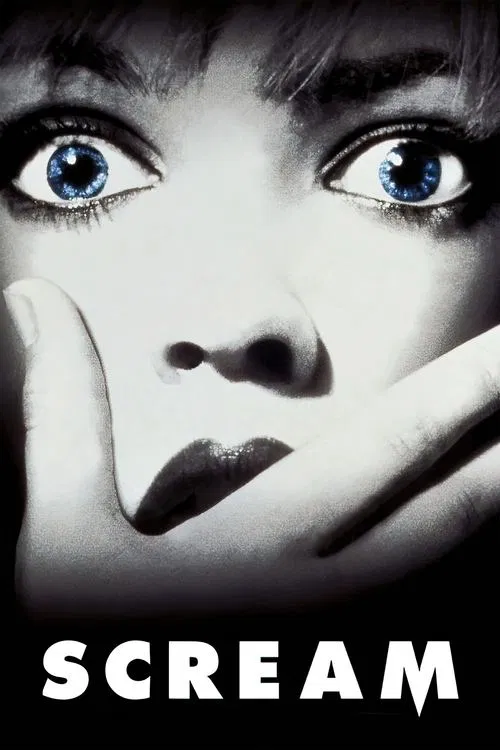
Beowulf is a 2007 animation, fantasy and adventure film directed by Robert Zemeckis. This breakdown covers 5 techniques (1 cinematography, 3 narrative and 1 sound), each with the scene where you can see it. If you like how it is made, Scream uses several of the same techniques.

Cinematography

Performance Capture Pioneer

Recording an actor's body movements and facial expressions and using that data to drive a fully digital character. The human performance survives inside a non-human form.

How this film uses it

Every character is a digital figure driven by an actor's recorded movement and expression, including Ray Winstone as Beowulf and Angelina Jolie as Grendel's mother. Winstone was in his early 50s while filming, yet his digital Beowulf looks far younger. You still read his acting in the face and the walk.

Where to see it

The cave meeting: Beowulf enters the cave alone and faces Grendel's mother, who appears as a gold-covered woman. She melts his sword and offers him a deal.
Narrative

Dramatic Irony

Letting the audience know something a character doesn't. You watch them act without that knowledge, which creates suspense, dread or dark comedy.

How this film uses it

Beowulf comes home with Grendel's head and tells the court a bigger, cleaner version of how he beat Grendel's mother. You have seen the cave scene, so you know what he left out. Watching the crowd cheer him makes the lie feel heavy.

Where to see it

The return to Heorot: Beowulf announces that he has killed Grendel's mother and tells an embellished story of the fight. Hrothgar privately asks if it is true.

Narrative

Retroactive Reframing Revelation

Saving a reveal for the climax that changes the meaning of every scene before it. You have to rebuild the whole film in your head with the new knowledge.

How this film uses it

Hrothgar hints that the demon seduced him too, and that Grendel was the result. The monster you watched Beowulf fight now looks like a king's son. Beowulf realizes the same curse has passed to him.

Where to see it

Hrothgar's confession: In private, Hrothgar asks Beowulf if he truly killed the demon and hints that he was seduced as well. He then jumps from the parapet into the sea.

Sound

Sound as Plot Device

Making a sound, voice or call drive the story itself. A phone line, a mimicked noise or a spliced recording changes what characters do or believe.

How this film uses it

The men party at full volume in the mead hall because the noise draws Grendel out. During the fight, Beowulf discovers Grendel's hearing is extremely sensitive and goes for his ear. The sound that made the monster dangerous becomes the way to hurt him.

Where to see it

The Heorot fight: The men celebrate loudly to lure Grendel. Beowulf strips naked, ruptures Grendel's eardrum and severs his arm.

Narrative

Circular Structure

Ending the film where it started, or with a scene that echoes the opening. The repeat shows what has changed, or suggests the cycle will keep going.

How this film uses it

The final scene echoes the first cave bargain. Grendel's mother floats on the water and beckons Wiglaf, just as she once drew in Beowulf. The film leaves you wondering if the cycle will start again.

Where to see it

The final shore: Wiglaf finds the horn and wades into the sea as Grendel's mother calls to him. He stops halfway and resists.

Questions

Beowulf: quick answers

What filmmaking techniques does Beowulf use?
CineCode breaks down 5 techniques in Beowulf (2007): Performance Capture Pioneer, Dramatic Irony, Retroactive Reframing Revelation, Sound as Plot Device and Circular Structure.
Who directed Beowulf?
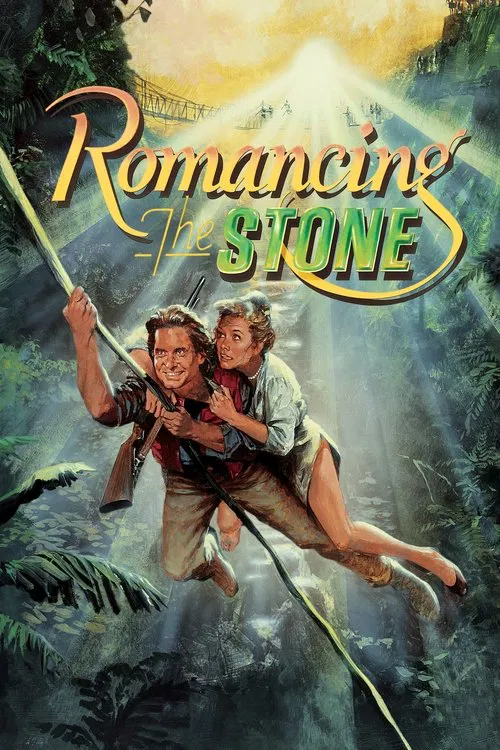
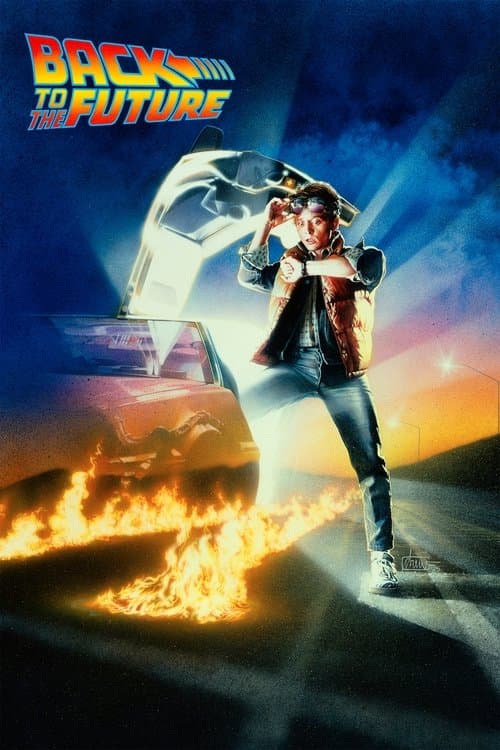
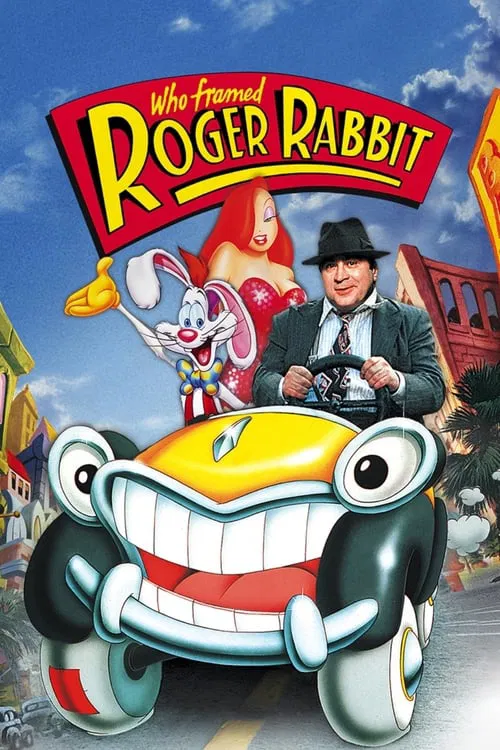
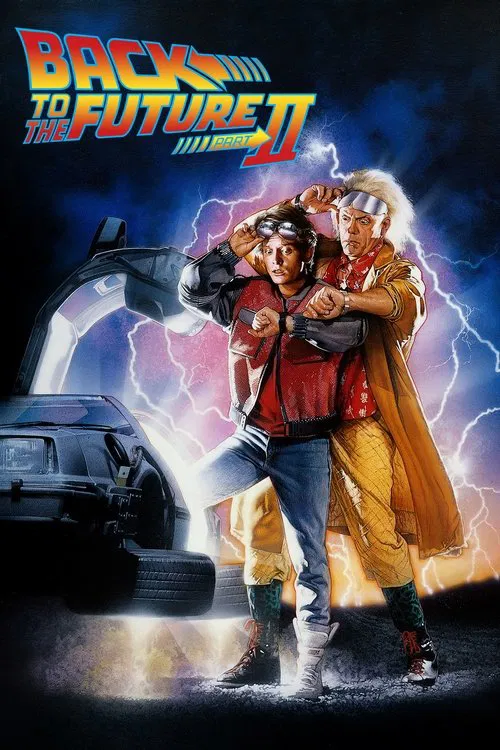
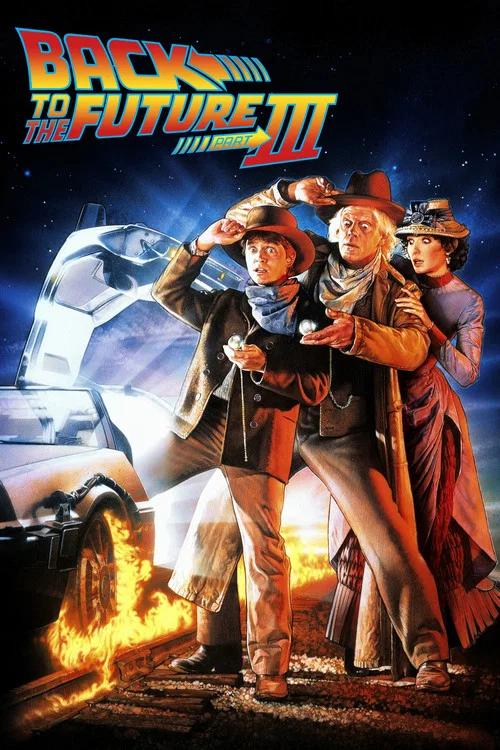
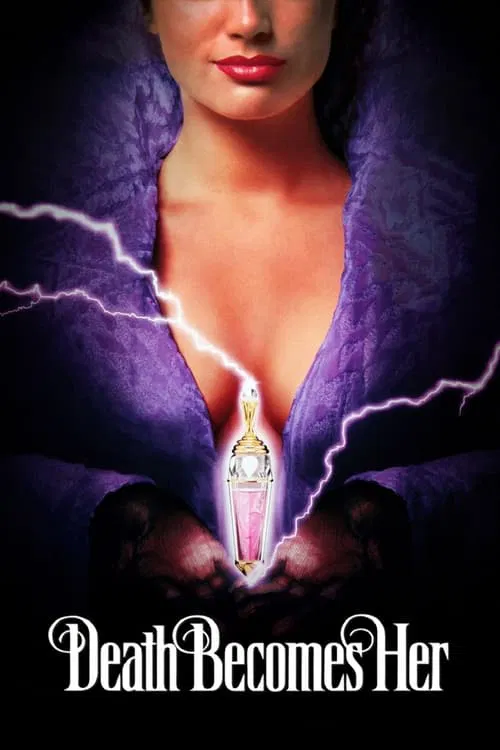
Robert Zemeckis directed Beowulf, released in 2007. CineCode also covers Romancing the Stone (1984), Back to the Future (1985), Who Framed Roger Rabbit (1988), Back to the Future Part II (1989), Back to the Future Part III (1990), Death Becomes Her (1992).
What films are similar to Beowulf?
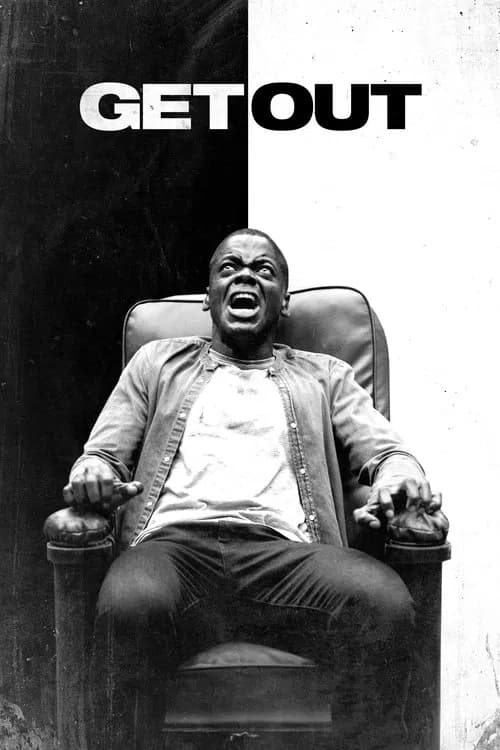
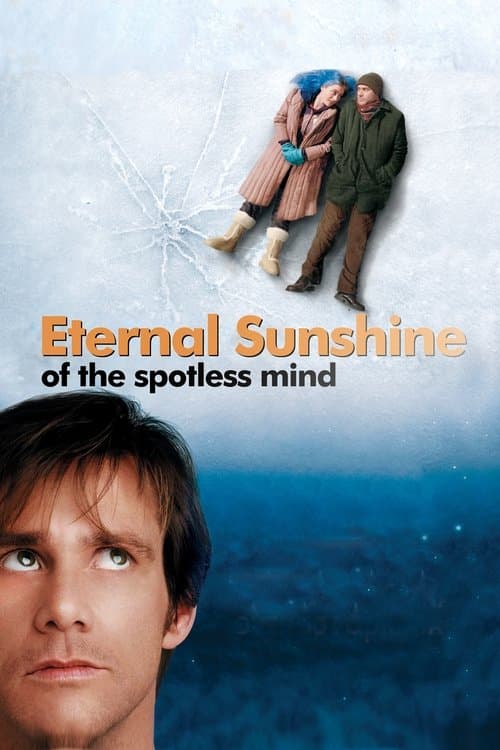
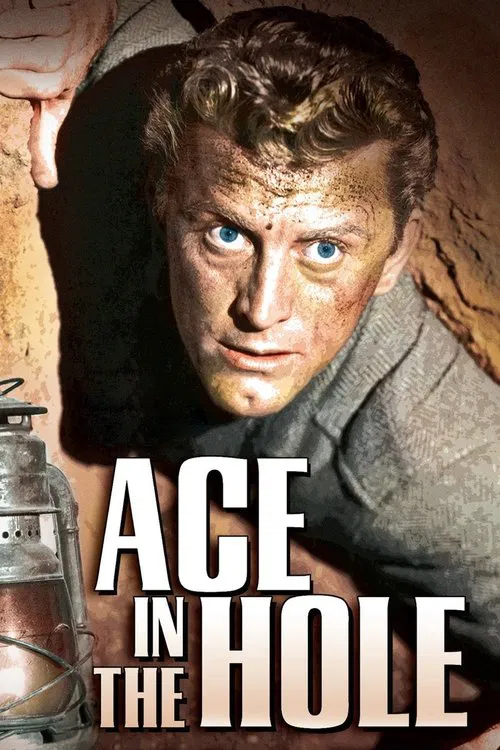
Films that share techniques with Beowulf include Scream (1996), Ace in the Hole (1951), Get Out (2017), Eternal Sunshine of the Spotless Mind (2004).