Crime · Drama · Thriller

No Country for Old Men

Joel Coen, Ethan Coen, 2007

A Texas welder stumbles on a drug deal gone wrong and takes the money. That puts a relentless killer on his trail, a man who believes nothing has meaning. The Coen Brothers deliver a Western that takes apart the genre's promise of justice and a clean ending.

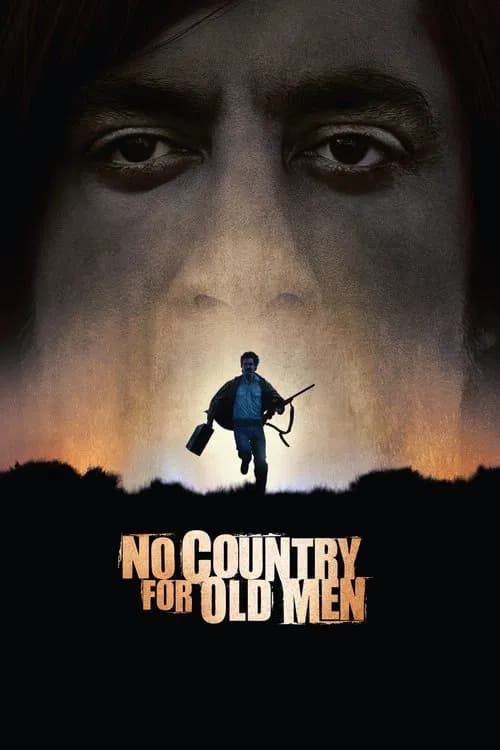
No Country for Old Men (2007) poster

At a glance

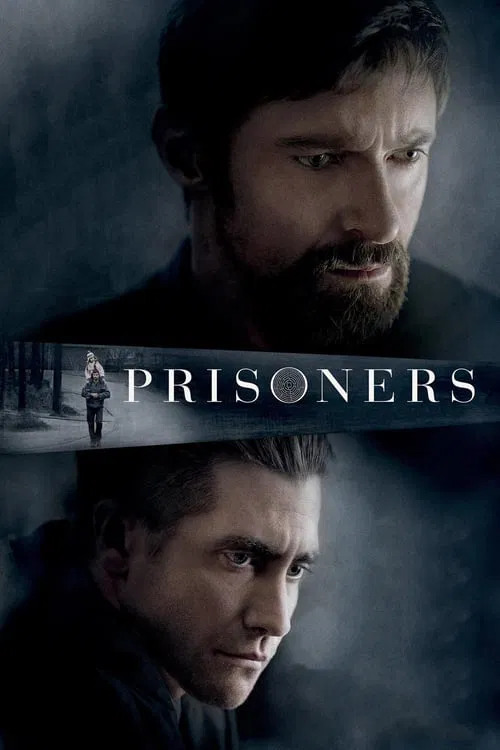
No Country for Old Men is a 2007 crime, drama and thriller film directed by Joel Coen, Ethan Coen. This breakdown covers 5 techniques (1 editing, 2 sound, 1 psychology and 1 narrative), each with the scene where you can see it. If you like how it is made, Prisoners uses several of the same techniques.

Editing

Near-Miss Tracking Structure

Building tension from scenes where 2 characters, or a character and the answer they want, come close and never meet. The dread comes from how near they get.

How this film uses it

Moss and Chigurh spend most of the film in the same motels, the same towns and the same roads. Chigurh always arrives just after Moss has left. The film is built as a series of near-misses. They train you to expect a confrontation that, in a crucial sense, never arrives.

Where to see it

Chigurh following the tracking device to Moss's motel in Del Rio. Moss has already left.
Sound

Leitmotif

Repeating a short piece of music or a sound every time a certain character, idea or feeling comes up. You learn to connect the 2.

How this film uses it

The captive bolt pistol, a tool made for slaughtering cattle, makes a small click and hiss of air. It sounds like a machine doing its job, nothing like a gun being fired. The sound is tiny compared to what it does. That contrast makes Chigurh's violence feel industrial and inevitable, and beyond right and wrong.

Where to see it

Chigurh's escape from custody early in the film. He presses the bolt gun to a driver's forehead and takes his car, and the killing is almost silent.

Sound

Absent Musical Score

Leaving out background music almost entirely, even in scenes that would normally have it. Wind, footsteps and a creaking door have to create the mood and emotion.

How this film uses it

Carter Burwell's score is so minimal that it is close to silence. The desert wind, the sound of cash being counted and the hiss of a silenced gun do the job of a traditional score. On top of that, the silence between actions has been designed and mixed to feel like dread, so it is never neutral.

Where to see it

The hotel shootout in Eagle Pass. Darkness, flashlight beams and sound alone tell you where everyone is and what is at stake.

Psychology

Fate and Chance Philosophy

Having the story argue that outcomes come from luck or an indifferent universe. Characters search for a reason and the film withholds one.

How this film uses it

Chigurh makes several characters call a coin toss. It is how he acts out his belief that fate is impersonal. In his view, the coin does the killing and he does not. The gas station scene spells this out. The owner's survival depends on a call he doesn't understand he's making.

Where to see it

The gas station coin toss. Chigurh tells the owner he's been 'putting it up' his whole life without knowing it.

Narrative

Withheld Murder Scene

Never showing the act of violence itself. You only see the aftermath or hear characters describe it, and your imagination fills in what happened.

How this film uses it

Moss dies off-screen at a motel in El Paso. The Coens cut away and come back with Bell arriving after the shootout, to find him already dead, so we are denied the death as viewers. There is no showdown and no final confrontation. The film has been building toward this death and then refuses to show it. That refusal is its argument about what this kind of violence really looks like.

Where to see it

The cut to Moss's body in his motel room. We missed it, and the film moved on without us.

Questions

No Country for Old Men: quick answers

What filmmaking techniques does No Country for Old Men use?
CineCode breaks down 5 techniques in No Country for Old Men (2007): Near-Miss Tracking Structure, Leitmotif, Absent Musical Score, Fate and Chance Philosophy and Withheld Murder Scene.
Who directed No Country for Old Men?
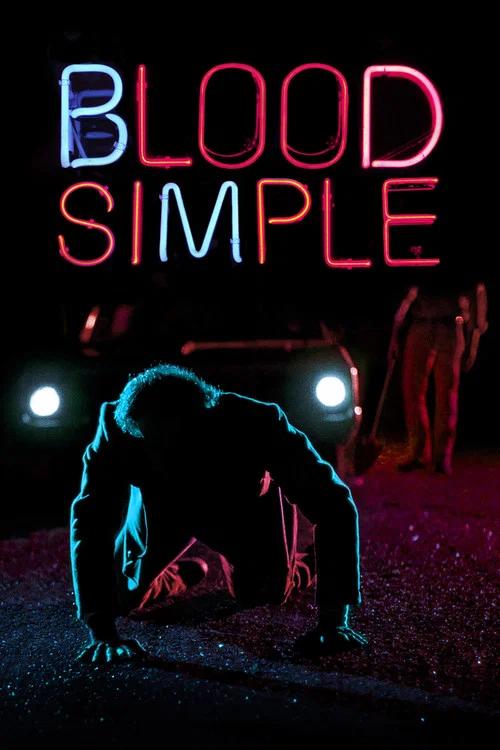
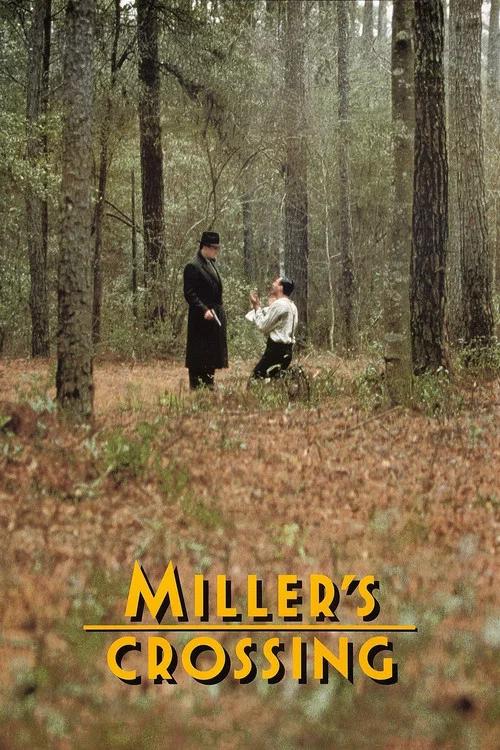
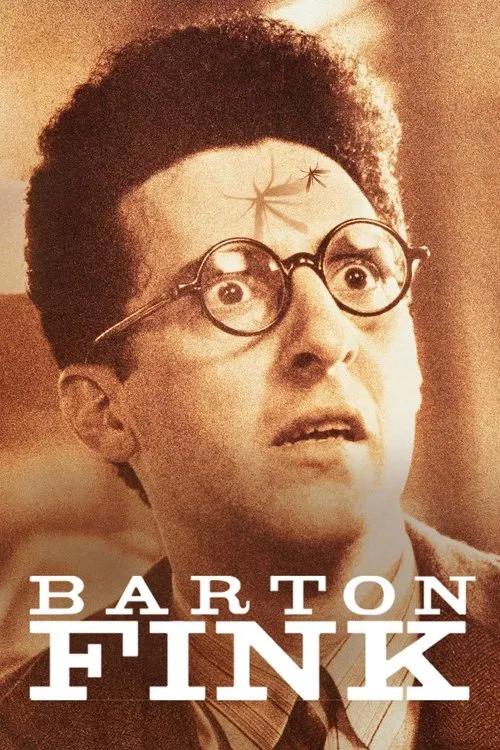
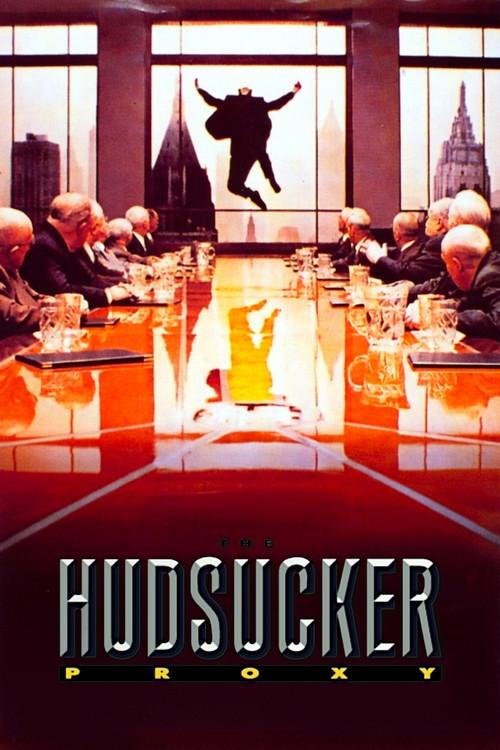
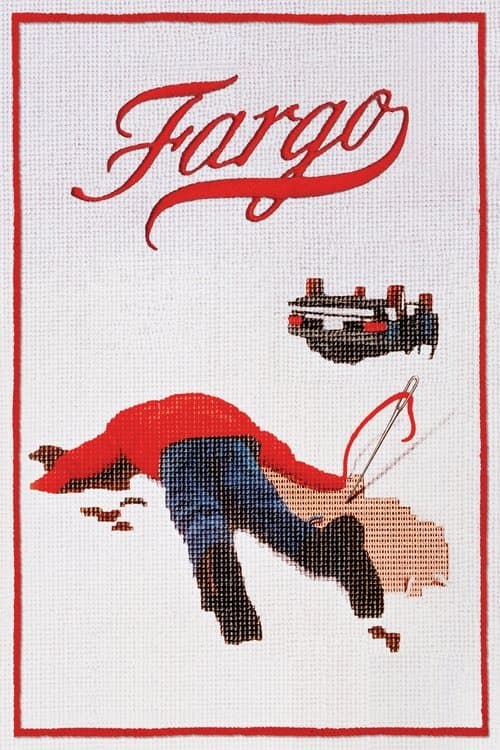
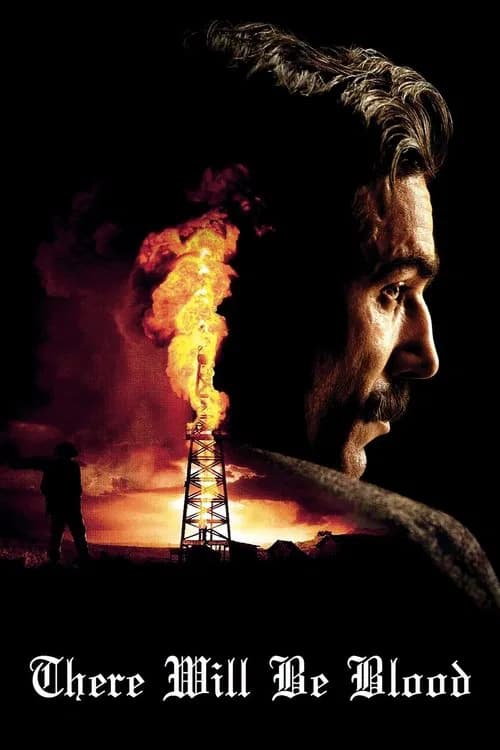
Joel Coen, Ethan Coen directed No Country for Old Men, released in 2007. CineCode also covers Blood Simple (1985), Raising Arizona (1987), Miller's Crossing (1990), Barton Fink (1991), The Hudsucker Proxy (1994), Fargo (1996).
What films are similar to No Country for Old Men?
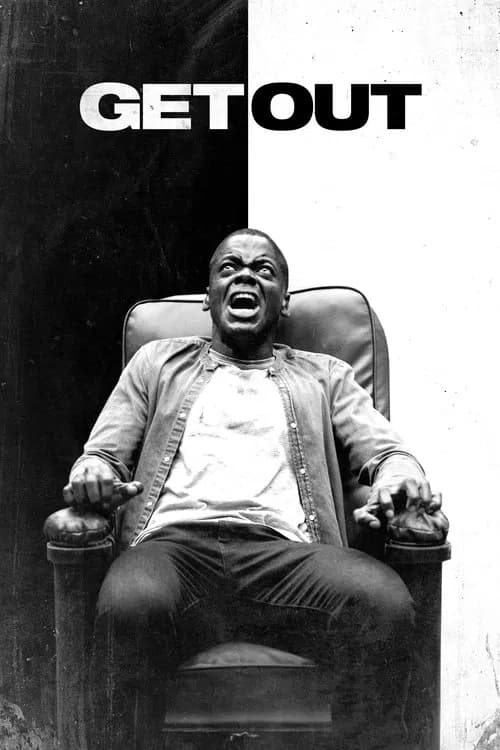
Films that share techniques with No Country for Old Men include Prisoners (2013), Get Out (2017), Black Swan (2010), Star Wars: The Empire Strikes Back (1980).