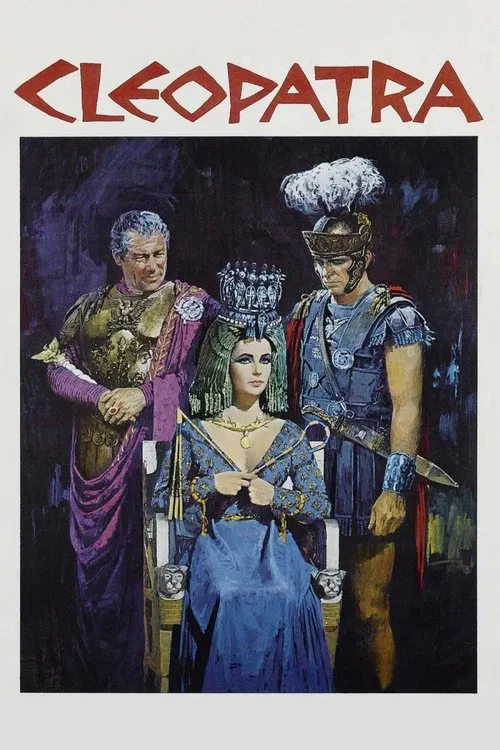
Julius Caesar and later Mark Antony fall for Cleopatra, queen of Egypt, and both romances lead to war with Rome. It was one of the most expensive films ever made and nearly bankrupted its studio. It is a lesson in what a real, built world can do for a story.
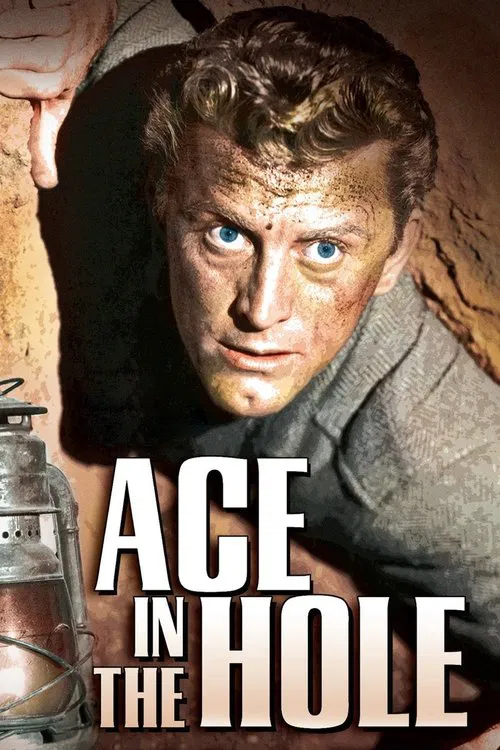
Cleopatra is a 1963 drama, history and romance film directed by Joseph L. Mankiewicz. This breakdown covers 5 techniques (2 cinematography, 2 narrative and 1 psychology), each with the scene where you can see it. If you like how it is made, Ace in the Hole uses several of the same techniques.
Building a set so complete, with its own weather, crowds, architecture and social rules, that it feels lived in. It reads as real until one deliberate slip shows that it was built.
How this film uses it
The Roman Forum was built on 12 acres at Cinecittà in Rome, and the Alexandria sets were built near Anzio. Crowds and architecture on that scale are physically there. You feel the weight of the empire around the actors.
Where to see it
The assassination of Caesar. On the Ides of March, conspirators kill Caesar, and Rome falls into rebellion.
Building a scene around one striking image meant to outlast the story. Costume, camera and crowd all work to make that single picture memorable.
How this film uses it
Cleopatra's arrival in Rome is built as one big picture of her power, with a huge procession, dancers and a giant sphinx. Costume, camera and crowd all work to make that single image stick. It is the image the whole film is remembered for.
Where to see it
Cleopatra's entry into Rome. After Caesar becomes dictator for life, she arrives in a lavish procession and wins the crowd.
Letting the audience know something a character doesn't. You watch them act without that knowledge, which creates suspense, dread or dark comedy.
How this film uses it
You know Cleopatra is alive, and Antony does not. After false news that she is dead, he falls on his sword. He then learns the truth and dies in her arms. The gap between what you know and what he knows makes his death hurt.
Where to see it
Antony's death. Apollodorus falsely tells Antony that Cleopatra is dead, and Antony falls on his sword.
Letting a character fall for someone they should distrust or oppose. Desire overrides suspicion, so the romance becomes a source of risk and comic or tragic tension.
How this film uses it
Antony is a Roman leader who should keep his distance, and he falls for Cleopatra instead. He marries Octavia, returns to Cleopatra and loses the trust of Rome. At Actium he abandons his own fleet to follow her.
Where to see it
The Battle of Actium. Cleopatra withdraws, Antony follows her, and his fleet is left without a commander.
Running the film longer than its genre normally needs, on purpose. The extra time lets you live with the characters, so the emotional payoff feels in proportion to the wait.
How this film uses it
The film runs over 3 hours in every version. The premiere cut ran about 244 minutes and a 2013 restoration runs 4 hours and 8 minutes. The length gives its two love stories room to develop, with long stretches of politics between them.
Where to see it
The meeting at Tarsus. Cleopatra meets Antony on her royal barge, and their affair begins.
Questions
Cleopatra: quick answers
What filmmaking techniques does Cleopatra use?
CineCode breaks down 5 techniques in Cleopatra (1963): Set as Total World, Iconic Image Staging, Dramatic Irony, Attraction Against Judgment and Slow Build Runtime.
Who directed Cleopatra?
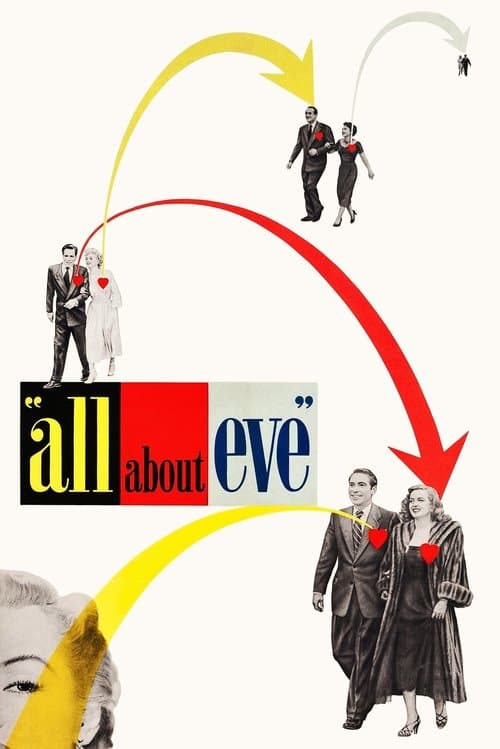
Joseph L. Mankiewicz directed Cleopatra, released in 1963. CineCode also covers All About Eve (1950).
What films are similar to Cleopatra?
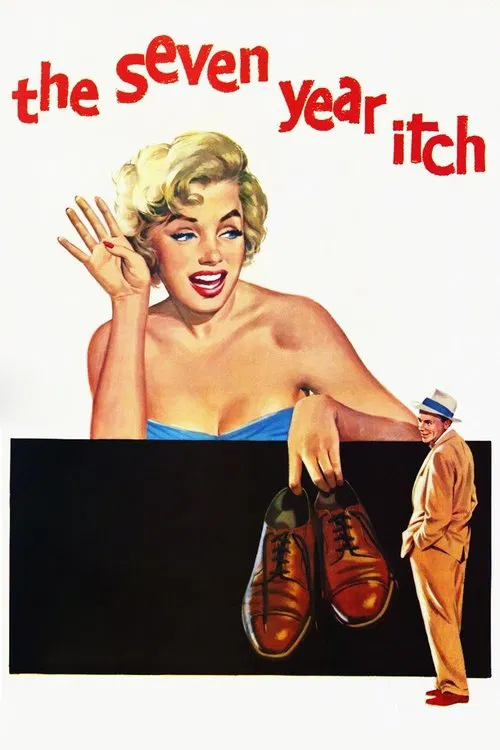
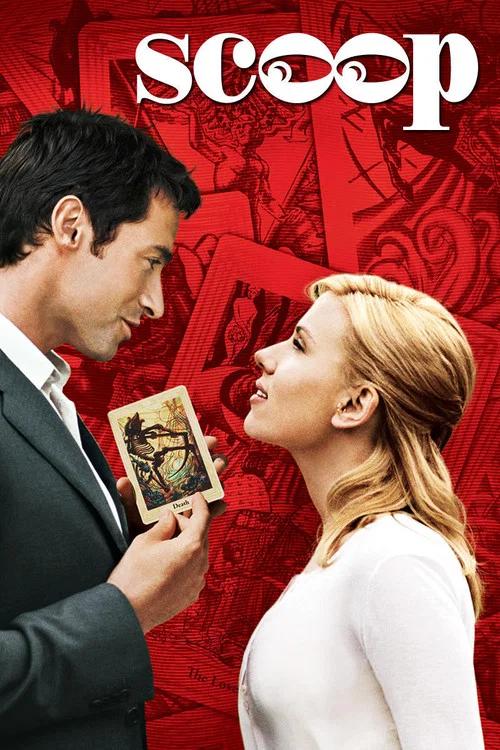
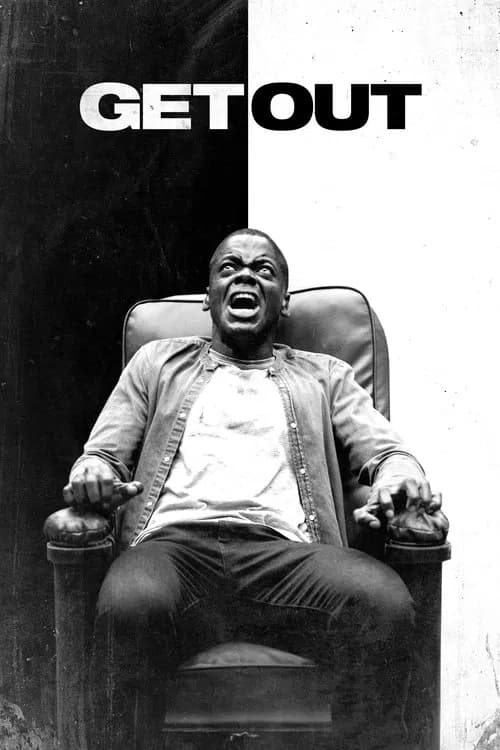
Films that share techniques with Cleopatra include Ace in the Hole (1951), The Seven Year Itch (1955), Scoop (2006), Get Out (2017).