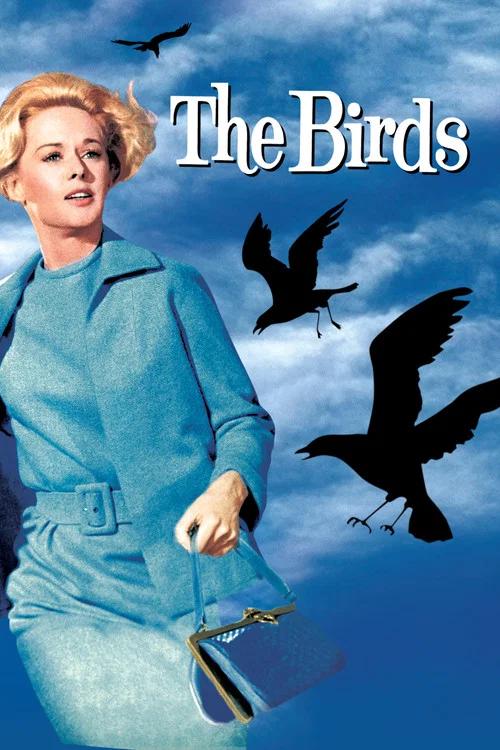
A San Francisco socialite follows a lawyer to the small coastal town of Bodega Bay with a pair of lovebirds as a prank. Soon after she arrives, the local birds start attacking people, and nobody can explain why. Watch it for how Hitchcock builds terror with no music at all, using electronic bird sounds and silence.
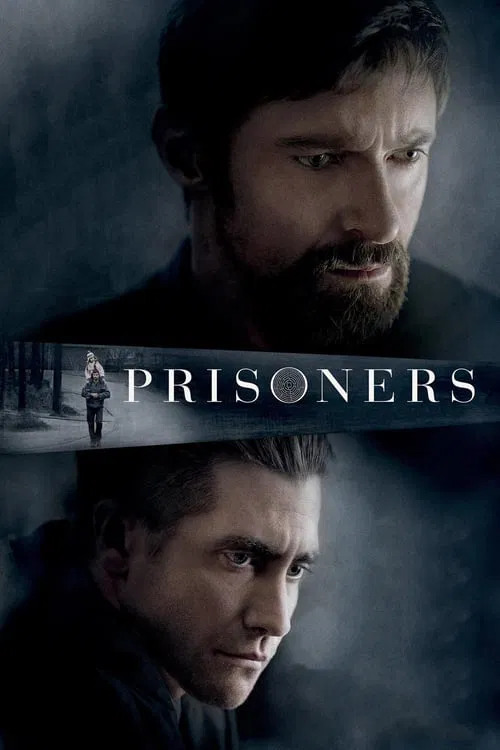
The Birds is a 1963 horror and thriller film directed by Alfred Hitchcock. This breakdown covers 4 techniques (1 sound, 2 narrative and 1 cinematography), each with the scene where you can see it. If you like how it is made, Prisoners uses several of the same techniques.
Leaving out background music almost entirely, even in scenes that would normally have it. Wind, footsteps and a creaking door have to create the mood and emotion.
How this film uses it
There is no conventional score in this film. Hitchcock's usual composer, Bernard Herrmann, is credited only as sound consultant. Most of the bird cries were made on an electronic instrument called the Mixtur-Trautonium by Oskar Sala and Remi Gassmann. With no music telling you how to feel, every flutter and screech hits harder.
Where to see it
The attack on the Brenner house. The family sits boarded up inside while the birds pound at the doors and windows. You hear wings and shrieks and nothing else.
Showing the audience a danger the characters can't see, like a bomb under a table. An ordinary conversation becomes unbearable suspense, where an unannounced blast would only be a surprise.
How this film uses it
Hitchcock lets you see the danger growing while Melanie has no idea. He keeps cutting back to the same spot, and each time there are more birds. The scene is quiet and almost dull on the surface, which is why it gets so tense.
Where to see it
The schoolhouse jungle gym. Melanie sits on a bench outside the school smoking a cigarette while crows gather one by one on the climbing frame behind her. By the time she turns around, it is covered.
Shooting straight down on a scene from above. The view flattens the space into shapes, makes people look small and can feel like a god or security camera watching.
How this film uses it
After the chaos on the ground, the camera suddenly jumps high above Bodega Bay. The burning gas station becomes a small orange spot in a gray town. Gulls glide into the frame, so you are looking down with the birds as they pick their target.
Where to see it
The gas station fire. Spilled gasoline catches fire and spreads through the street. The film cuts to a high view of the whole town, and the gulls float in to attack.
Spending a long time on normal life, character and atmosphere before any real threat arrives. Dread builds bit by bit, so the climax feels inevitable and devastating when it comes.
How this film uses it
The first stretch of the film plays like a romantic comedy about Melanie and Mitch flirting and trading insults. A single gull strike is the only warning. Because the film spends so long on ordinary small-town life, the attacks feel like they are breaking into a different movie.
Where to see it
Melanie's arrival in Bodega Bay. She sneaks the lovebirds into the Brenner house and crosses back over the bay, and a gull strikes her head just as she reaches the dock.
Questions
The Birds: quick answers
What filmmaking techniques does The Birds use?
CineCode breaks down 4 techniques in The Birds (1963): Absent Musical Score, The Bomb Under the Table, Overhead Composition and Slow Burn Horror Pacing.
Who directed The Birds?
Alfred Hitchcock directed The Birds, released in 1963. CineCode also covers The 39 Steps (1935), The Lady Vanishes (1938), Rebecca (1940), Suspicion (1941), Saboteur (1942), Shadow of a Doubt (1943).
What films are similar to The Birds?
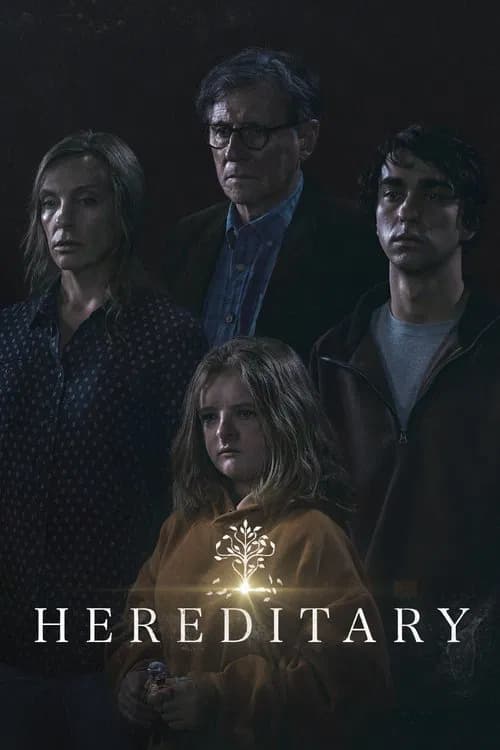
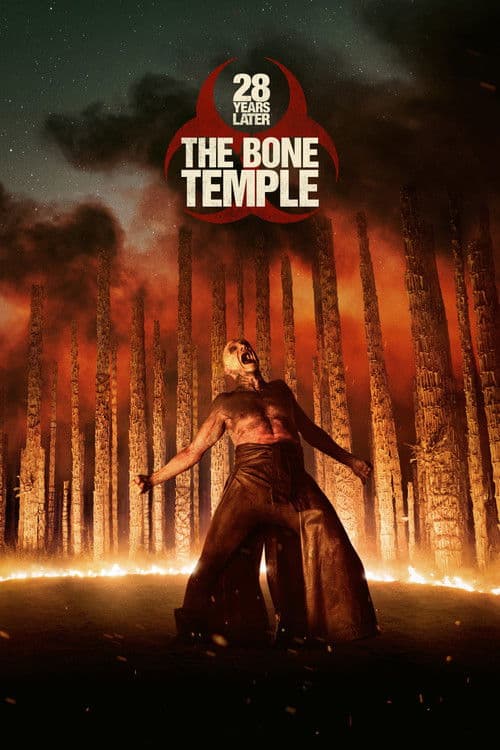
Films that share techniques with The Birds include Prisoners (2013), Hereditary (2018), 28 Years Later: The Bone Temple (2026), Alien (1979).