Comedy · Mystery · Crime

Scoop

Woody Allen, 2006

An American journalism student in London gets a tip from a dead reporter's ghost that a charming aristocrat may be a serial killer. She teams up with an aging stage magician to find out. Worth watching for how Woody Allen mixes the supernatural, a murder mystery and a romance in one light comedy.

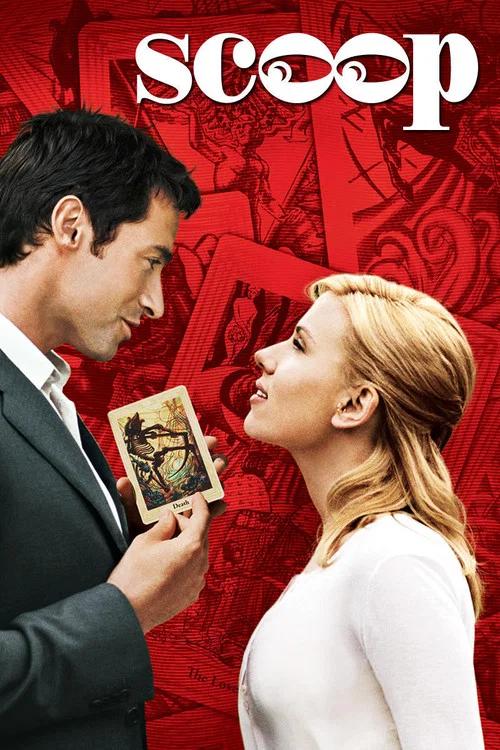
Scoop (2006) poster

At a glance

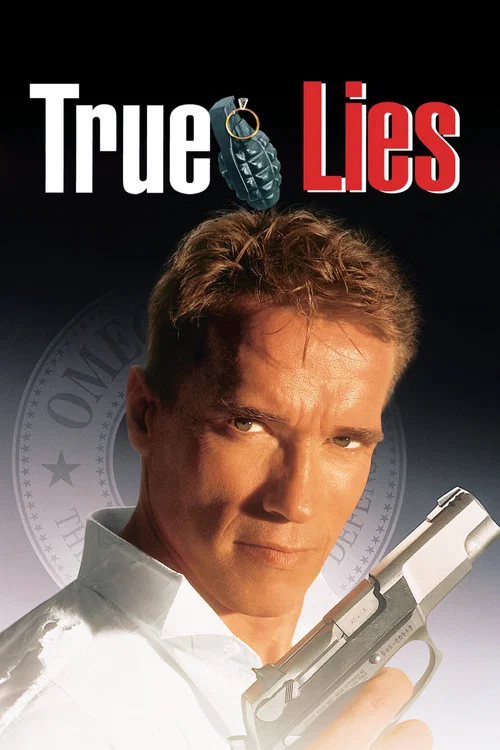
Scoop is a 2006 comedy, mystery and crime film directed by Woody Allen. This breakdown covers 5 techniques (3 narrative, 1 sound and 1 psychology), each with the scene where you can see it. If you like how it is made, True Lies uses several of the same techniques.

Narrative

Supernatural Realism

Dropping magical or miraculous events into an otherwise realistic world and playing them completely straight. The film never explains them or winks at you about them.

How this film uses it

The ghost of reporter Joe Strombel escapes the barge of death and appears to Sondra inside a magician's trick booth. The film plays it straight. Nobody questions why a dead man is giving tips, which keeps the comedy gentle and the plot moving.

Where to see it

The Dematerializer booth. Sondra steps into Sid's magic trick and meets Strombel's ghost, who tells her about the Tarot Card Killer.
Narrative

Dramatic Irony

Letting the audience know something a character doesn't. You watch them act without that knowledge, which creates suspense, dread or dark comedy.

How this film uses it

You can see more than Sondra can. While she is falling for Peter Lyman, Sid collects clues that point to him. During a phone call, Sondra waves off Sid's findings and you learn Lyman is listening on another extension. That knowledge makes every date with him tense.

Where to see it

The phone call. Sid tells Sondra what he has found about Lyman, and Lyman quietly listens in on another line.

Narrative

Genre Collage

Mixing several genres in 1 film, such as crime, romance, horror and absurd comedy. The clash between them keeps you from settling into a single way of watching.

How this film uses it

The film is a romantic crime comedy, and it also brings in a ghost story and some stage magic. Sondra dates a man she suspects of murder. The mix of tones keeps you off balance in a pleasant way.

Where to see it

The rowboat on the lake. Lyman confesses to Sondra, and then pushes her into the water.

Sound

Classical Music as Score

Using existing classical pieces as the soundtrack, with no newly composed score. The music brings its own history, cultural weight and emotion into the film.

How this film uses it

There is no original score. The music comes from composers such as Tchaikovsky, Johann Strauss and Grieg. The familiar classical pieces give a light, old-fashioned feel to the chases and the dates.

Where to see it

The film as a whole. Existing classical pieces play under the investigation and the romance.

Psychology

Attraction Against Judgment

Letting a character fall for someone they should distrust or oppose. Desire overrides suspicion, so the romance becomes a source of risk and comic or tragic tension.

How this film uses it

Sondra sets out to prove Lyman is a killer, then falls for him and begins to trust him. Even after she finds a tarot deck in his vault, she wants the best version of him. The film makes this funny, but it also shows how easily wanting someone can bend your judgment.

Where to see it

The weekend at the country estate. Sondra stays with Lyman and waves off Sid's growing evidence.

Questions

Scoop: quick answers

What filmmaking techniques does Scoop use?
CineCode breaks down 5 techniques in Scoop (2006): Supernatural Realism, Dramatic Irony, Genre Collage, Classical Music as Score and Attraction Against Judgment.
Who directed Scoop?
Woody Allen directed Scoop, released in 2006. CineCode also covers Take the Money and Run (1969), Bananas (1971), Everything You Always Wanted to Know About Sex *But Were Afraid to Ask (1972), Sleeper (1973), Love and Death (1975), Annie Hall (1977).
What films are similar to Scoop?
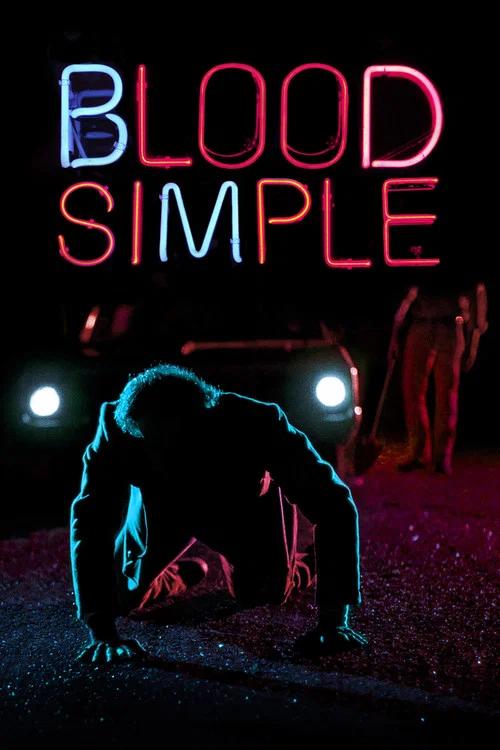
Films that share techniques with Scoop include True Lies (1994), Blood Simple (1985), The Curse of the Jade Scorpion (2001), Hit Man (2024).