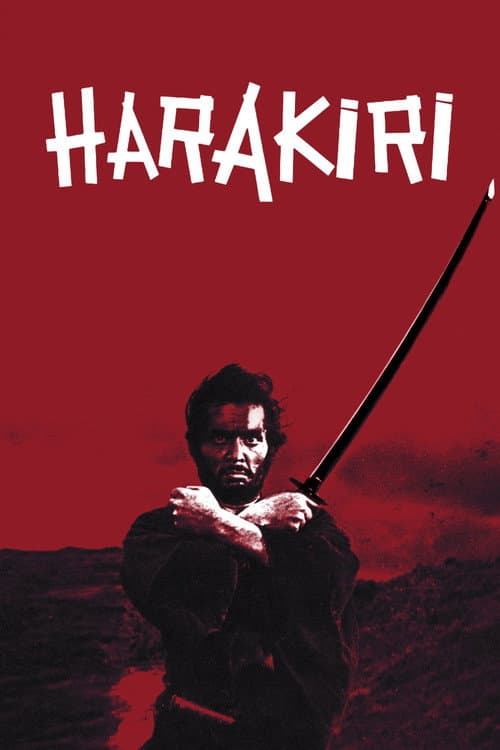
Harakiri
Masaki Kobayashi · 1962
A destitute samurai arrives at a feudal lord's estate requesting permission to commit ritual suicide, but begins telling a devastating story that systematically dismantles the clan's mythology of honor from within. A film about institutional hypocrisy and the violence concealed beneath codes of duty.
Techniques Used
4 techniques identified in this film
Frame Narrative as Trap
NarrativeUsing a story-within-a-story structure in which the outer story is itself a trap — the listener does not realize that the narrative being told is being used to encircle and expose them.
How this film uses it
Hanshiro arrives appearing to need something from the clan. His story — told slowly, in flashback — is actually a prosecution. Each new detail tightens the net around the clan's honor until they understand they have been listening to their own indictment.
Ceremonial Pacing
EditingUsing extremely slow, deliberate editing rhythms that mirror the formal pacing of ritual — long takes, minimal cuts, unhurried camera movement — to build dread through patience.
How this film uses it
Kobayashi holds shots long past the point of conventional comfort. The film's most excruciating sequence — the forced bamboo-blade suicide — is shot with ceremonial slowness that refuses to let the audience escape through cutting. The pacing is the horror.
Institutional Honor Critique
NarrativeUsing a film's narrative to systematically expose the gap between an institution's stated values and its actual practices — demonstrating that codes of honor function to protect power rather than to embody virtue.
How this film uses it
The Iyi clan's code of bushido is shown to be entirely performative: they punish a desperate young man for dishonoring a ceremony they themselves treat as theater. Kobayashi's argument is that honor codes exist to serve those who have the power to enforce them.
Minimalist Widescreen Staging
CinematographyUsing the full widescreen frame to place characters in vast, empty architectural spaces — the negative space encoding isolation, institutional power, and the smallness of the individual before formal authority.
How this film uses it
Yoshio Miyajima's cinematography places Hanshiro in the center of a wide, formally arranged hall, surrounded by distance. The space argues for the clan's power before any dialogue does. As Hanshiro's story progresses, the space feels increasingly charged with what it withholds.
You Might Also Like
Films that share at least one technique with Harakiri
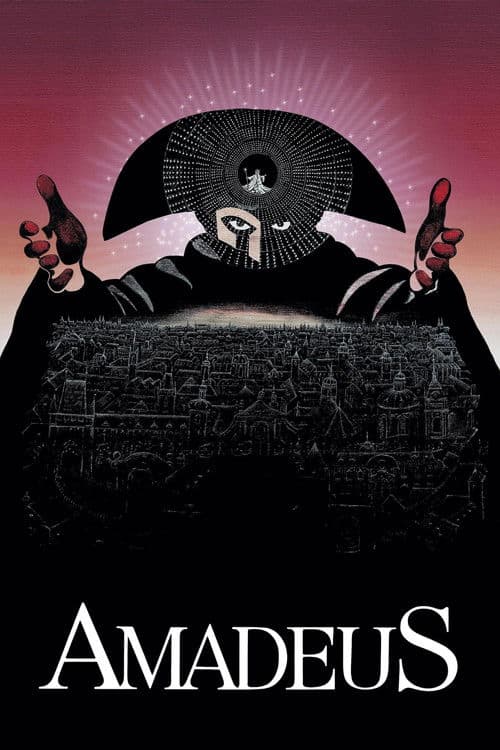
An aging Antonio Salieri confesses to a priest his belief that he murdered Wolfgang Amadeus Mozart — driven mad by the injustice of God giving divine genius to a vulgar, giggling man-child while leaving him only mediocrity. A film about talent, envy, and the cruelty of being almost gifted.
Amadeus
Miloš Forman · 1984
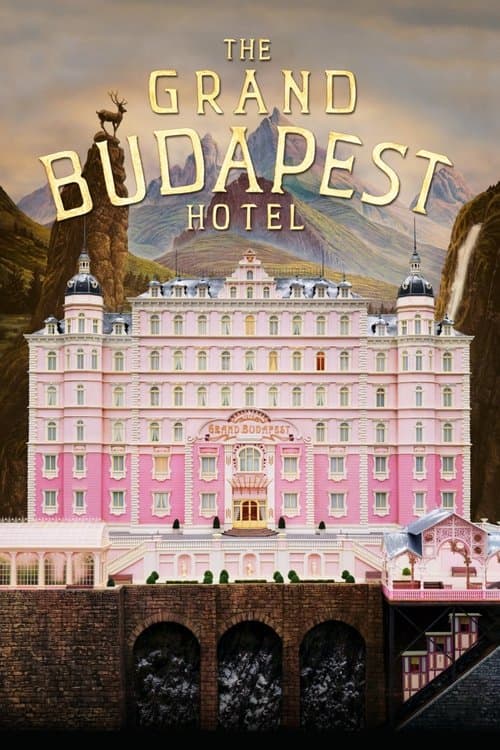
A legendary hotel concierge and his lobby boy are embroiled in the theft of a priceless painting and a family inheritance battle in a fictional European republic between the wars. Wes Anderson's most fully realized comedy uses nostalgia as a frame for examining what is lost when elegance is replaced by brutality.
The Grand Budapest Hotel
Wes Anderson · 2014
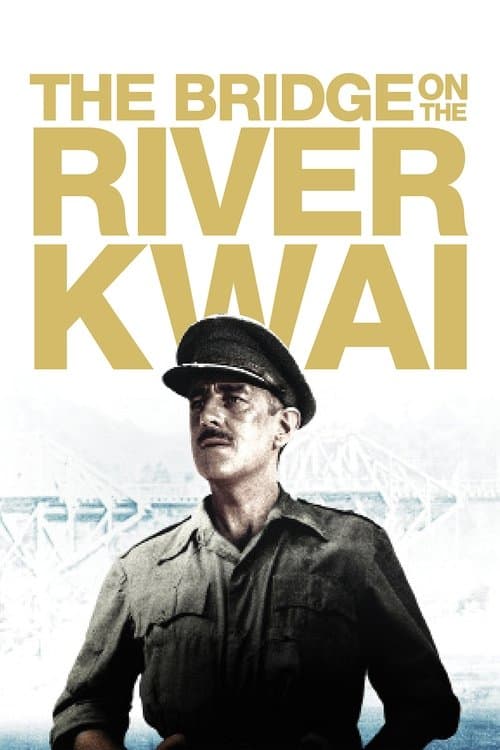
British prisoners of war in a Japanese camp are ordered to build a railway bridge; their commanding officer, Colonel Nicholson, becomes obsessed with building it correctly as a matter of military pride — and loses sight of which side he is on. A study in the madness of honor.
The Bridge on the River Kwai
David Lean · 1957