Six stories across 1849 to 2321 are cut together, from a sea voyage to a clone uprising to a post-apocalyptic island. The same actors reappear in different roles as souls that keep meeting. Watch how editing makes six plots feel like one story.
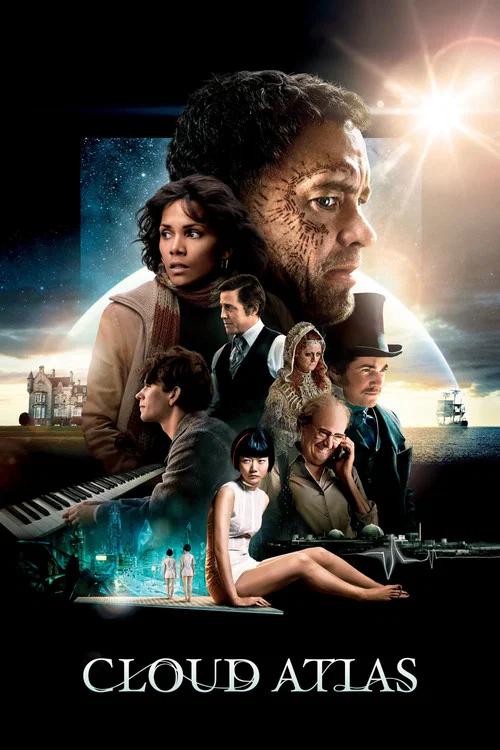
Cloud Atlas is a 2012 science fiction, drama and adventure film directed by Lana Wachowski, Lilly Wachowski, Tom Tykwer. This breakdown covers 5 techniques (2 narrative, 1 editing, 1 sound and 1 cinematography), each with the scene where you can see it. If you like how it is made, Jurassic Park uses several of the same techniques.
Running several separate storylines side by side, sometimes leading them to collide, so each thread comments on the others and the whole becomes a larger picture.
How this film uses it
The film runs six separate stories side by side: a ship voyage in 1849, a composer in 1936, a journalist in 1973, a publisher in 2012, a clone in 2144 and a tribesman in 2321. Each one echoes the others, so a theme like freedom grows across the centuries.
Where to see it
The six stories: The film hops between Adam Ewing, Robert Frobisher, Luisa Rey, Timothy Cavendish, Sonmi-451 and Zachry Bailey.
Alternating between simultaneous lines of action in different places or worlds. The cuts build suspense or draw a comparison between the threads.
How this film uses it
The editing jumps between eras at moments of tension, so rising danger in one story feeds the others. The cuts carry you toward several climaxes that land together.
Where to see it
Climaxes: Near the end, the six stories cut back and forth as each reaches its turning point.
Repeating a short piece of music or a sound every time a certain character, idea or feeling comes up. You learn to connect the 2.
How this film uses it
Frobisher's Cloud Atlas Sextet is a piece of music that returns across the other eras. When it plays, you link a new character to the composer and to the idea of souls connected through time. Tykwer co-composed the score.
Where to see it
The Sextet: Frobisher writes the piece in 1936, and Luisa Rey hears it on a record in 1973.
Casting the same actors in many roles across different times and places. Seeing familiar faces in new relationships makes the idea of souls that recur something you can watch.
How this film uses it
Tom Hanks, Halle Berry, Hugh Grant and others play many roles in different eras, helped by makeup and costume. You keep recognizing faces in new relationships, which makes reincarnation something you watch.
Where to see it
Hanks as Goose and Zachry: The same actor plays the sinister Dr. Goose in 1849 and the tribesman Zachry in 2321.
Creating effects physically on set with makeup, prosthetics, built props and camera tricks, with no computer graphics added later. The results look solid and real.
How this film uses it
Makeup and prosthetics change the actors enough to play different ages, races and genders across eras. The makeup team won a Saturn Award for it. The changes are physical, so you see them on the actors' faces.
Where to see it
The 2144 story: Actors seen in other eras appear in heavy makeup as people of Neo Seoul.
Questions
Cloud Atlas: quick answers
What filmmaking techniques does Cloud Atlas use?
CineCode breaks down 5 techniques in Cloud Atlas (2012): Interwoven Storylines, Parallel Crosscutting, Leitmotif, Recurring Cast Across Eras and Practical In-Camera Effects.
Who directed Cloud Atlas?
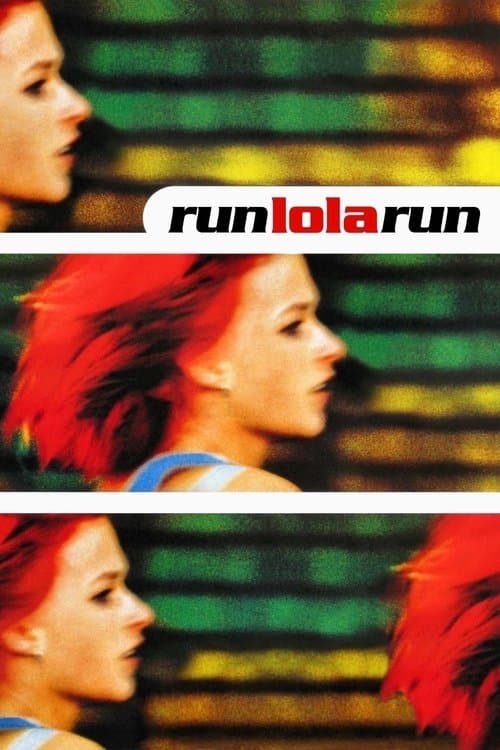
Lana Wachowski, Lilly Wachowski, Tom Tykwer directed Cloud Atlas, released in 2012. CineCode also covers Run Lola Run (1998), The Matrix (1999), Speed Racer (2008).
What films are similar to Cloud Atlas?
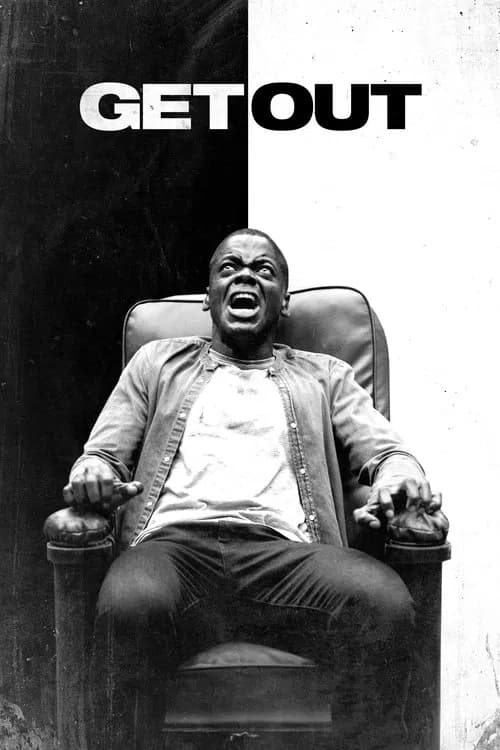
Films that share techniques with Cloud Atlas include Jurassic Park (1993), Chungking Express (1994), Inception (2010), Get Out (2017).