Comedy · Drama · Romance

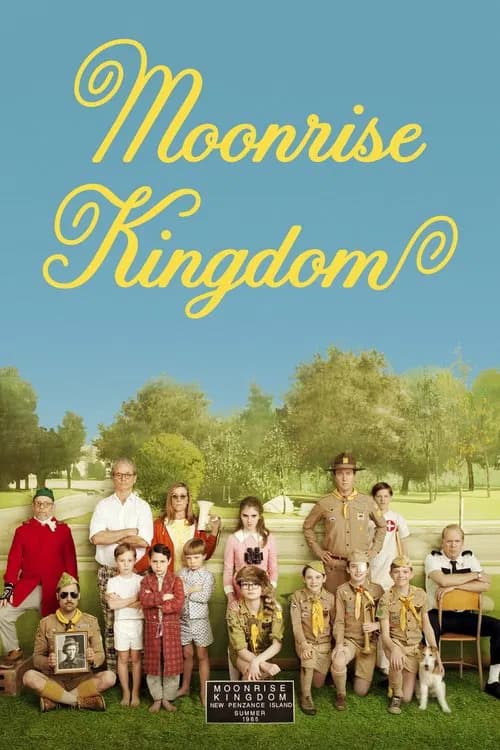
Moonrise Kingdom

Wes Anderson, 2012

2 12-year-olds fall in love and run away together into the forests of a New England island in 1965. That sets off a search party of troubled adults. This is Wes Anderson's most purely romantic film. It's about how seriously children take the world before adults teach them to stop.

Moonrise Kingdom (2012) poster

At a glance

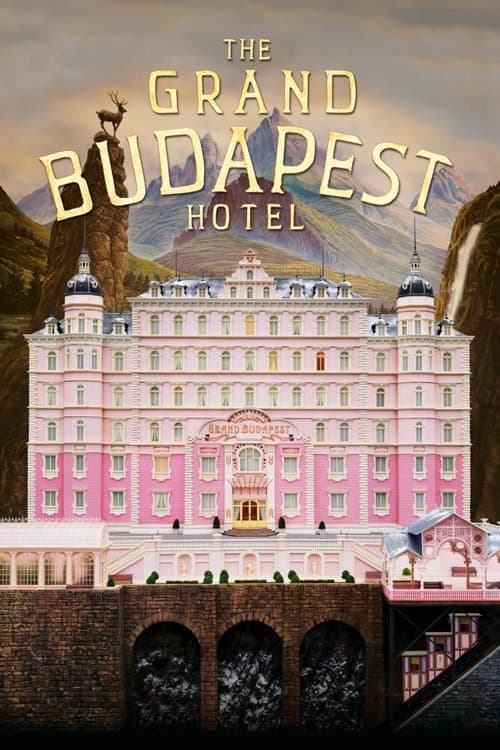
Moonrise Kingdom is a 2012 comedy, drama and romance film directed by Wes Anderson. This breakdown covers 4 techniques (2 cinematography and 2 narrative), each with the scene where you can see it. If you like how it is made, The Grand Budapest Hotel uses several of the same techniques.

Cinematography

One-Point Perspective

Framing a shot so every line in it runs toward 1 point in the center. The picture looks perfectly symmetrical, which can feel hypnotic, stagey or oppressive.

How this film uses it

Anderson's signature symmetrical framing makes the New England island of Moonrise Kingdom look like a storybook illustration. Every frame is perfectly centered. That order reflects what the children want, which is a world that runs on clear rules they made up themselves.

Where to see it

Scout Master Ward's tent. The inside is shot in perfectly centered symmetry. The scout troop is a mess, but Anderson's tidy frame makes it feel orderly.
Cinematography

Color Palette as Worldbuilding

Limiting the film to a tightly chosen set of colors, or giving each place or state its own set. The colors tell you about the world and its mood without dialogue.

How this film uses it

Robert Yeoman's photography uses warm amber, khaki and autumn orange throughout. The colors make 1965 New England look like a world preserved in amber. The warmth suggests that this particular summer exists outside ordinary time.

Where to see it

Sam and Suzy's first camp. The colors of their makeshift world are warm and specific. They make the home the children invent feel more vivid than the adult world chasing them.

Narrative

Deadpan Absurdism

Showing extreme, violent or surreal events while the characters react as if nothing unusual is happening. That mismatch is funny and unsettling at the same time.

How this film uses it

Anderson treats 2 12-year-olds running away as a real emergency, with all the official procedure that comes with one. There are a police captain, a scout search party and Social Services. The adult world throws its whole oversized machinery at a child's love affair.

Where to see it

The town's emergency response to the children's disappearance. Law enforcement, scouts and parents coordinate, and the film plays it deadpan, with a straight face, like a military operation.

Narrative

Tonal Bifurcation

Giving a film 2 very different tones, such as comedy and tragedy, often split into halves. Each makes the other hit harder, and the film never blends them into 1.

How this film uses it

The second half brings in real threat: Suzy's home situation, what the institutions plan for Sam, the storm. Anderson lets the danger be real and keeps the comedy going. As a result, the change in tone makes the children's love feel more serious. Before that, it was mostly charming.

Where to see it

The climactic storm sequence. Anderson lets real danger into the tidy storybook world. It hits differently because the style has always insisted nothing can really go wrong.

Questions

Moonrise Kingdom: quick answers

What filmmaking techniques does Moonrise Kingdom use?
CineCode breaks down 4 techniques in Moonrise Kingdom (2012): One-Point Perspective, Color Palette as Worldbuilding, Deadpan Absurdism and Tonal Bifurcation.
Who directed Moonrise Kingdom?
Wes Anderson directed Moonrise Kingdom, released in 2012. CineCode also covers Bottle Rocket (1996), Rushmore (1998), The Royal Tenenbaums (2001), The Life Aquatic with Steve Zissou (2004), The Darjeeling Limited (2007), Fantastic Mr. Fox (2009).
What films are similar to Moonrise Kingdom?
Films that share techniques with Moonrise Kingdom include The Grand Budapest Hotel (2014), Pan's Labyrinth (2006), Fargo (1996), Some Like It Hot (1959).