Drama

The Master

Paul Thomas Anderson, 2012

A volatile, sexually disturbed World War II veteran drifts into the circle of Lancaster Dodd. Dodd is the charismatic leader of The Cause, a philosophical movement that is fairly close to a religion. The 2 men become locked in a relationship where each needs the other, and neither can explain it or escape it. PTA's film is about the hunger for a system that will make sense of who you are.

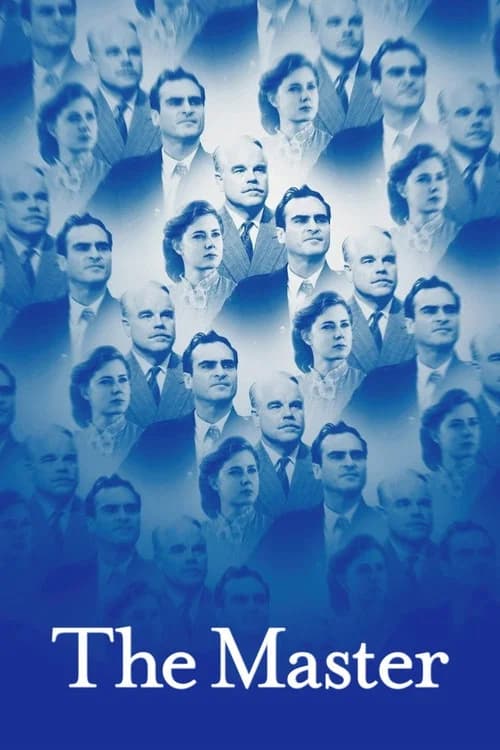
The Master (2012) poster

At a glance

The Master is a 2012 drama film directed by Paul Thomas Anderson. This breakdown covers 4 techniques (1 psychology, 2 cinematography and 1 narrative), each with the scene where you can see it. If you like how it is made, Amadeus uses several of the same techniques.

Psychology

Psychological Doubling

Pairing the main character with a second character who mirrors them. The double shows what the hero wants, fears or secretly is.

How this film uses it

Freddie Quell is everything Lancaster Dodd wants to rise above: animal desire, uncontrolled rage, the body ruling over the mind. Dodd, in turn, is everything Freddie wants but can't name, which is authority, certainty and the promise that a person can be remade.

Where to see it

The processing sessions. Dodd and Freddie sit face to face, inches apart, while the Master drills into the animal in front of him. The scene is intimate and dominating, therapeutic and erotic at the same time.
Cinematography

Anamorphic Scope Composition

Using the full width of a very wide 2.35:1 frame to set small human figures against huge, empty landscapes. All that empty space makes the characters look isolated and insignificant.

How this film uses it

Mihai Malaimare Jr. shot most of the film on 65mm, a large format that is rarely used for drama. It gives The Master an image with extraordinary detail and depth. You can see decades of life in the texture of Hoffman's and Phoenix's faces. The frame is 1.85:1, and the big negative still makes the post-war landscape feel truly vast.

Where to see it

The motorcycle desert sequence. Freddie rides off across a flat salt flat toward the horizon. The 65mm frame makes the emptiness look physically huge, so his aimlessness feels as big as the universe.

Cinematography

Deliberate Close-Up Performance

Holding a close-up on an actor's face long enough to catch tiny changes in expression. You read what the character is thinking from details a wider shot would miss.

How this film uses it

Anderson keeps returning to long close-ups of Phoenix and Hoffman. The screenplay holds a lot back, so the camera watches their faces do that work. In their tiny expressions, you read domination and submission, belief and doubt, affection and contempt. It all sits in the gap between what the face shows and whatever is underneath.

Where to see it

Freddie's face during the processing. The close-up catches exactly what it looks like when a man is being invaded and held at once. I feel like it's a portrait of someone who needs to be known and fears what that will cost him.

Narrative

Obsession as Structural Engine

Building the whole plot on one character's fixation with a person, goal or rival. Every scene ties back to it, and the obsession keeps feeding itself while it destroys them.

How this film uses it

Dodd is fixated on Freddie and insists on keeping him close despite the damage. That fixation drives the film. The Master needs the animal he claims to have risen above, and that need exposes the lie at the center of The Cause.

Where to see it

Dodd in the jail cell. Freddie calls him a fake and Dodd calls him worthless. The calm, philosophical authority gives way to open anger. He is lashing out at the one person whose doubt most threatens everything he has built.

Questions

The Master: quick answers

What filmmaking techniques does The Master use?
CineCode breaks down 4 techniques in The Master (2012): Psychological Doubling, Anamorphic Scope Composition, Deliberate Close-Up Performance and Obsession as Structural Engine.
Who directed The Master?
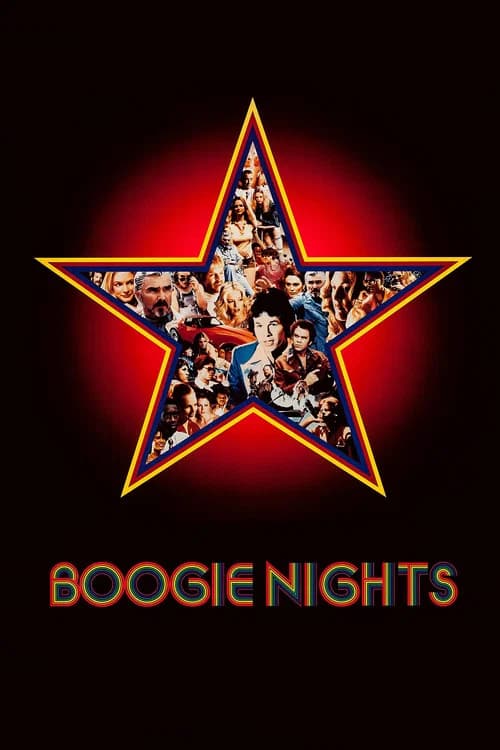
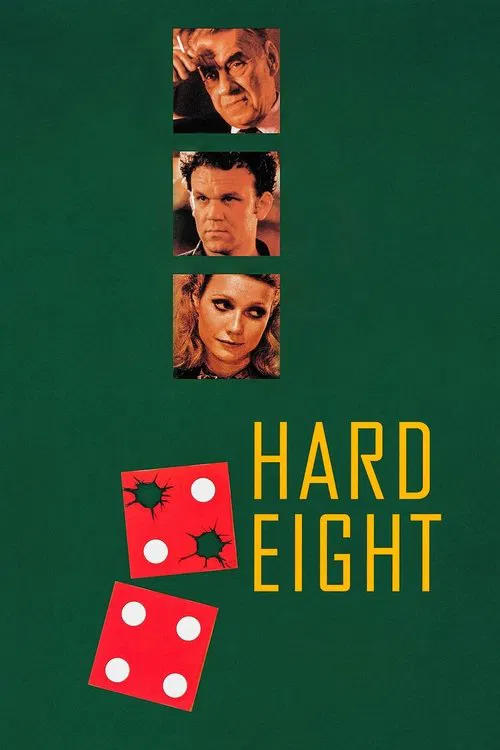
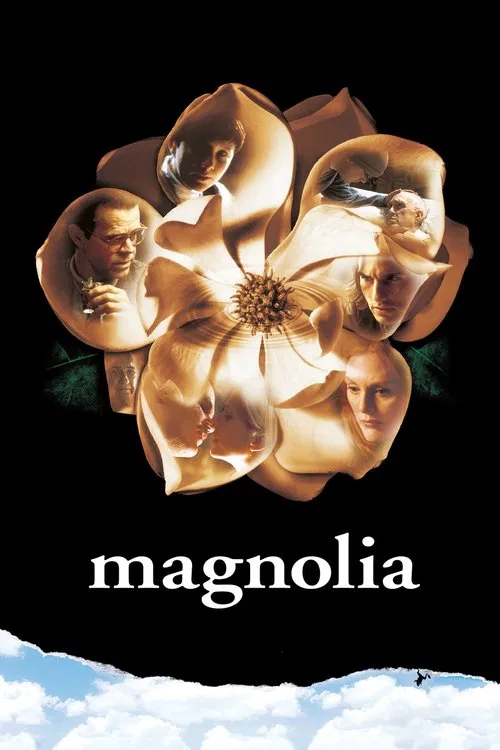
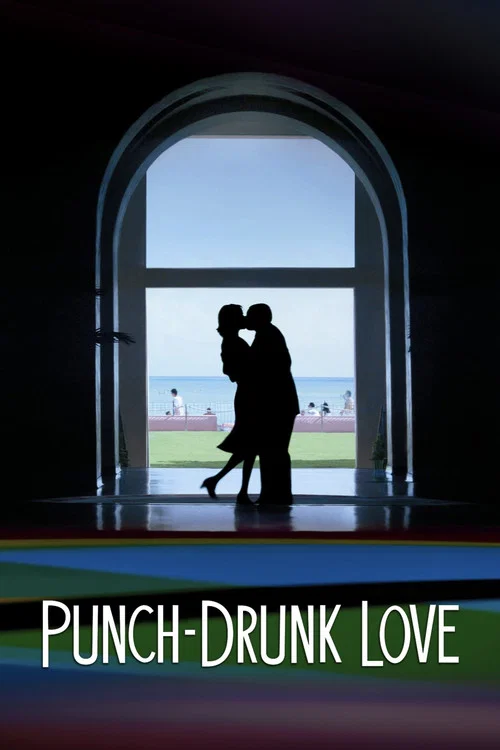
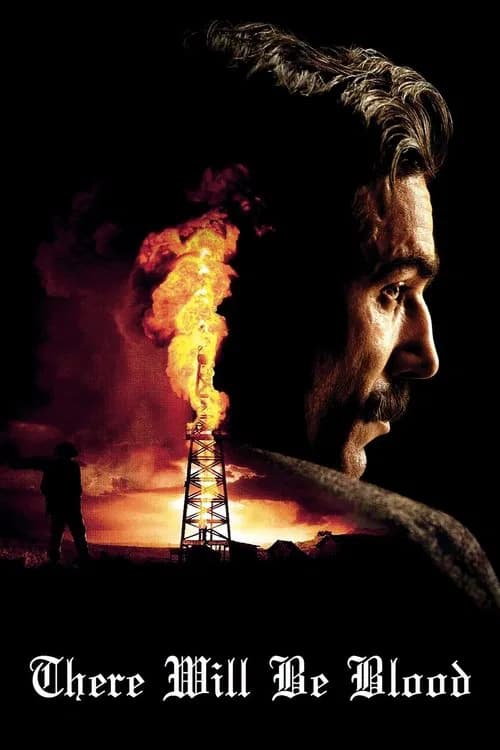
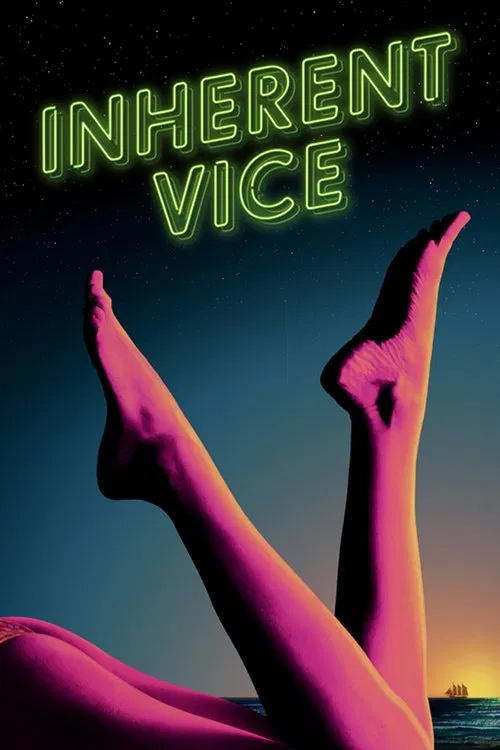
Paul Thomas Anderson directed The Master, released in 2012. CineCode also covers Boogie Nights (1997), Hard Eight (1997), Magnolia (1999), Punch-Drunk Love (2002), There Will Be Blood (2007), Inherent Vice (2014).
What films are similar to The Master?
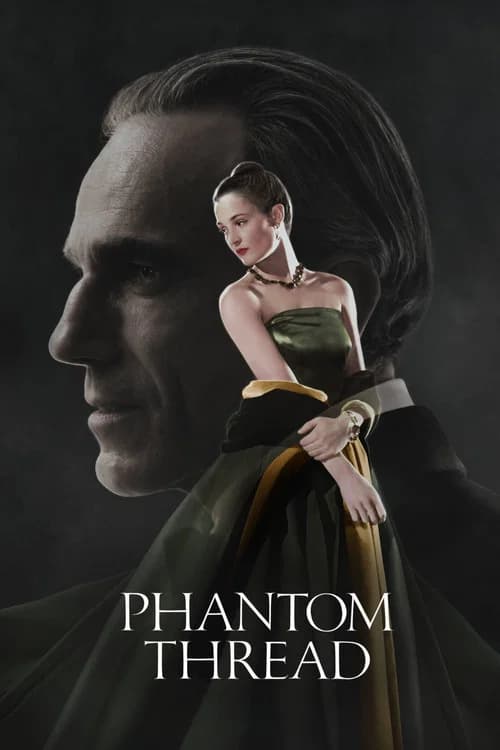
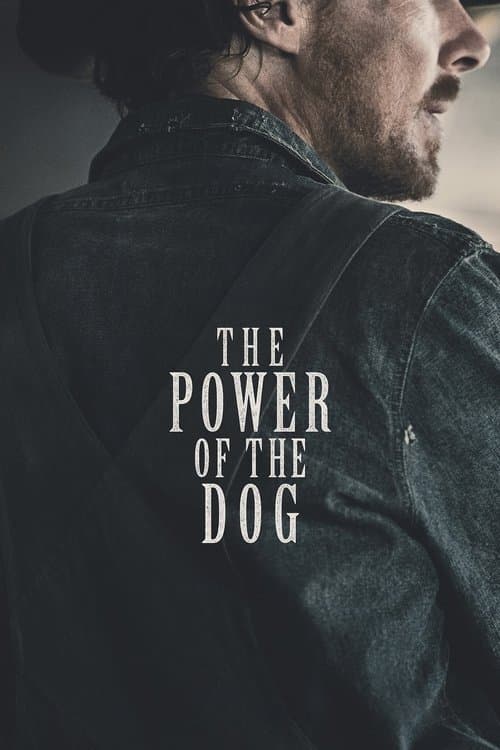
Films that share techniques with The Master include Amadeus (1984), The Conformist (1970), Phantom Thread (2017), The Power of the Dog (2021).