Drama · Thriller · History

Zero Dark Thirty

Kathryn Bigelow, 2012

After the September 11 attacks, CIA analyst Maya gives a decade of her career to finding Osama bin Laden. She pushes through bureaucratic obstruction, terrorist attacks and her own psychological isolation, all the way to the Navy SEAL raid on Abbottabad. Kathryn Bigelow's film is a procedural about what obsession costs.

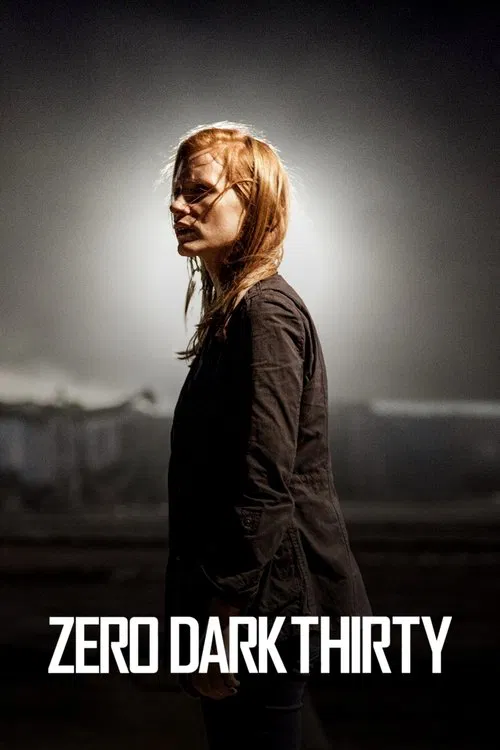
Zero Dark Thirty (2012) poster

At a glance

Zero Dark Thirty is a 2012 drama, thriller and history film directed by Kathryn Bigelow. This breakdown covers 4 techniques (3 narrative and 1 cinematography), each with the scene where you can see it. If you like how it is made, Schindler's List uses several of the same techniques.

Narrative

Forensic Inference Narration

Revealing character and motive through physical evidence and a detective's step-by-step reasoning, with no confessions or backstory dumps. You piece together the truth alongside the investigator.

How this film uses it

The film presents the bin Laden hunt as an intelligence puzzle. There are fragments of information, disputed sources and bureaucratic dead ends. You have to put the picture together alongside Maya, one piece at a time.

Where to see it

Maya tracing Abu Ahmed al-Kuwaiti to the Abbottabad compound. The chain runs from a possible identity to his mother's phone number to his vehicle to the compound, and you can follow the investigation one link at a time.

Cinematography

Handheld Cinema Vérité

Shooting with a handheld camera so the frame shakes and moves with the action. This documentary-style look, called cinema vérité, puts you uncomfortably close to the character.

How this film uses it

Greig Fraser shoots the CIA black sites, the Islamabad streets and the Abbottabad raid with the restraint of a documentary. The camera is never in the perfect position. It always seems to be catching things as they happen.

Where to see it

The Abbottabad compound raid sequence. It is night-vision green and confused handheld footage. The violence of the operation is filmed the way real special operations footage looks.

Narrative

Perpetrator Perspective

Telling the story from the side of the person doing the harm, and letting you inside their head. You start to understand them, which is more uncomfortable than simply condemning them.

How this film uses it

Bigelow puts you inside the CIA's enhanced interrogation program with no moral commentary. She shows the torture in harsh detail and never tells you what to think. The moral work is left to you.

Where to see it

The opening black-site sequence. The waterboarding plays with no score and no cutaways. The film never gives you the relief of being told how to feel.

Narrative

Obsession as Structural Engine

Building the whole plot on one character's fixation with a person, goal or rival. Every scene ties back to it, and the obsession keeps feeding itself while it destroys them.

How this film uses it

Maya is certain for a decade. Her certainty is dismissed, threatened and finally proved right, and it holds the whole film together. Nevertheless, Bigelow frames the success of the raid as the hollow end of a fixation that has consumed her entirely.

Where to see it

Maya alone on the military transport after the raid. She is asked where she wants to go and has no answer. The obsession is finished and it has left her with nothing.

Questions

Zero Dark Thirty: quick answers

What filmmaking techniques does Zero Dark Thirty use?
CineCode breaks down 4 techniques in Zero Dark Thirty (2012): Forensic Inference Narration, Handheld Cinema Vérité, Perpetrator Perspective and Obsession as Structural Engine.
Who directed Zero Dark Thirty?
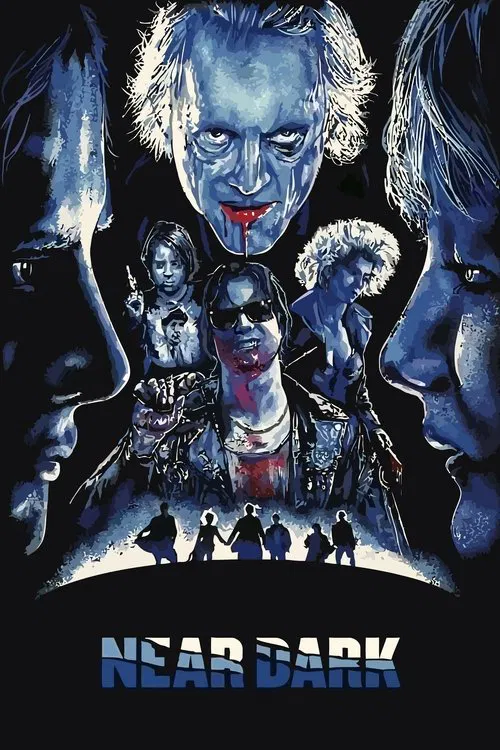
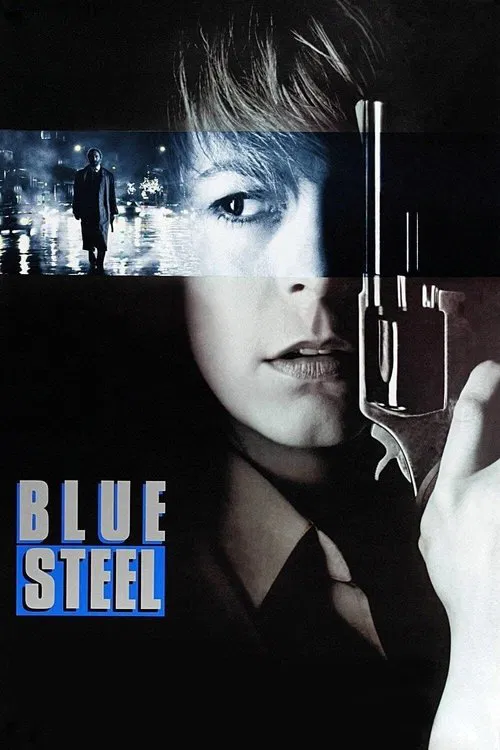
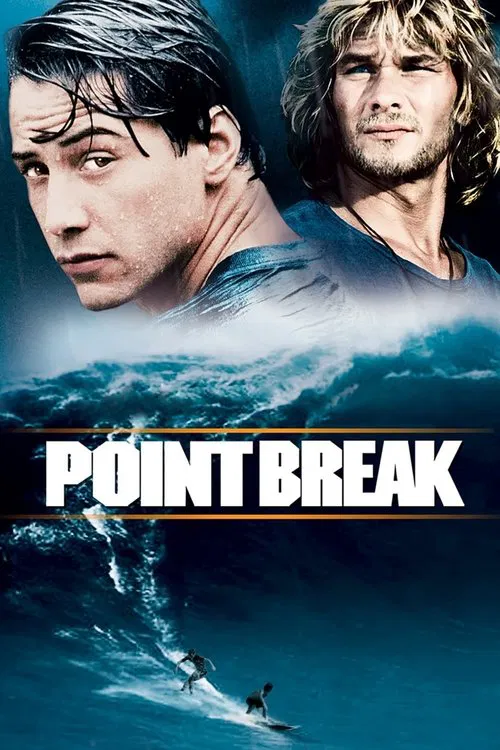
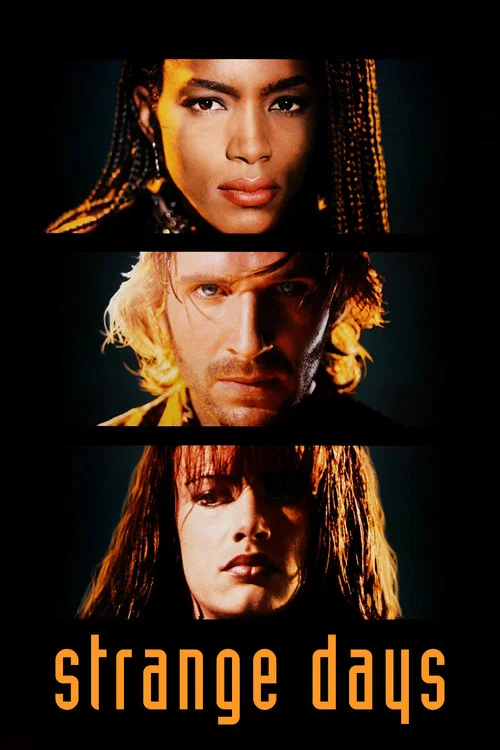
Kathryn Bigelow directed Zero Dark Thirty, released in 2012. CineCode also covers Near Dark (1987), Blue Steel (1990), Point Break (1991), Strange Days (1995), K-19: The Widowmaker (2002), The Hurt Locker (2008).
What films are similar to Zero Dark Thirty?
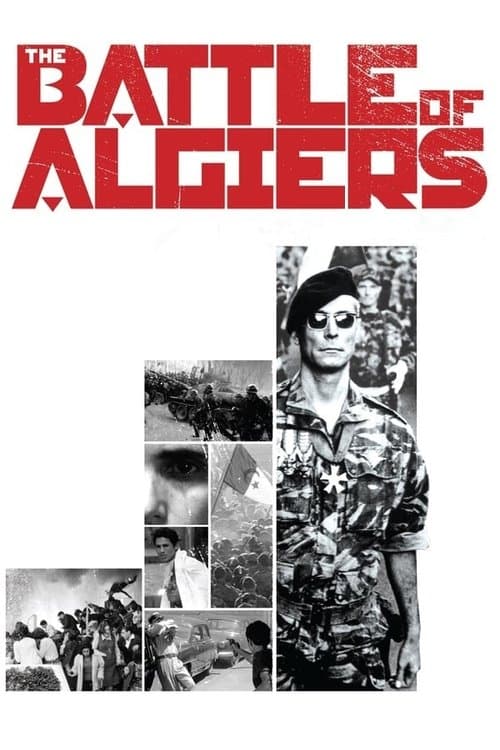
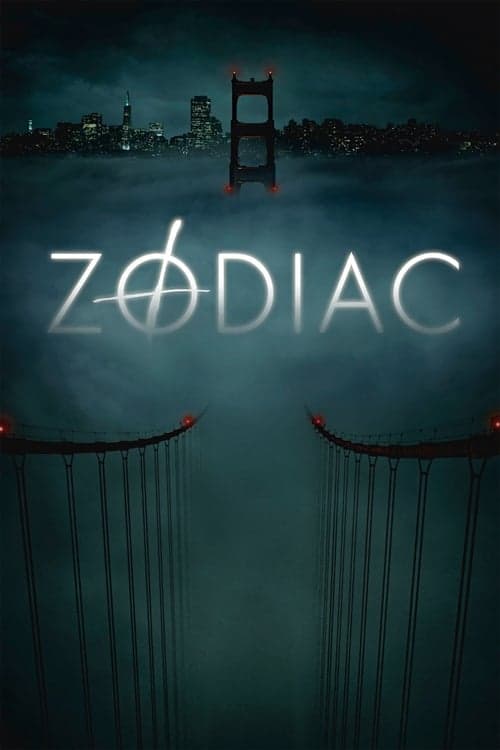
Films that share techniques with Zero Dark Thirty include Schindler's List (1993), 12 Years a Slave (2013), The Battle of Algiers (1966), Zodiac (2007).