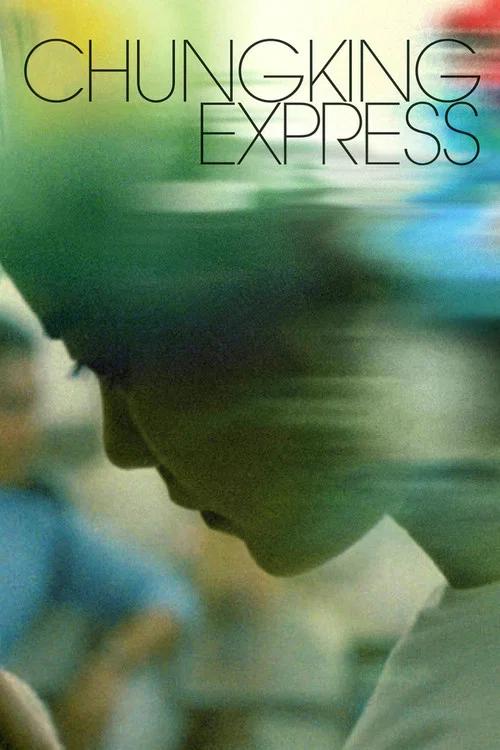
Two lonely Hong Kong cops each get over a breakup in a different way. One buys cans of pineapple that expire on his birthday, and the other finds a stranger secretly cleaning his apartment. Wong shot it quickly, during a break from another film. Watch for how fast and loose it looks.
Chungking Express is a 1994 romance, drama and crime film directed by Wong Kar-wai. This breakdown covers 5 techniques (1 sound, 3 narrative and 1 cinematography), each with the scene where you can see it. If you like how it is made, Black Swan uses several of the same techniques.
Repeating a short piece of music or a sound every time a certain character, idea or feeling comes up. You learn to connect the 2.
How this film uses it
The Mamas and the Papas song "California Dreamin'" returns again and again in the second story. Faye plays it at the snack bar and again while she cleans the apartment. By the end the song stands for her daydream of leaving.
Where to see it
The apartment cleaning. Faye plays the song while she secretly tidies Cop 663's home.
Making a character wait for a message or an answer that may never come, so their whole life revolves around an absence.
How this film uses it
Cop 223 gives his ex a month to come back. He buys one can of pineapple a day, each marked to expire on his birthday. His whole life is organized around a message that may never arrive.
Where to see it
The pineapple cans. He buys the cans each day until he has 30, then decides the relationship is over.
Shooting with a handheld camera so the frame shakes and moves with the action. This documentary-style look, called cinema vérité, puts you uncomfortably close to the character.
How this film uses it
Cinematographer Christopher Doyle used a handheld camera with natural light and step-printing, a trick that repeats frames to make movement blur and stutter. The characters seem to rush through the city. You feel like you are running right beside them.
Where to see it
The opening chase. Cop 223 runs after a suspect through the crowded alleys and the camera blurs and stutters with him.
Running several separate storylines side by side, sometimes leading them to collide, so each thread comments on the others and the whole becomes a larger picture.
How this film uses it
The film is two stories that touch in one brief moment. At the end of the first, Cop 223 bumps into Faye at the food store, and then the second story picks her up. The pairing of two lonely cops lets each story comment on the other.
Where to see it
The collision at the food stall. Cop 223 runs into Faye at the Midnight Express, and the film turns to Cop 663.
Returning to the same physical object again and again until it means more than what it is. It moves the plot and also stands for the film's main ideas.
How this film uses it
Cans of pineapple stand for the date by which a relationship must be saved or ended. The cans are cheap food and also a countdown. Cop 223 uses them to put a number on his heartache.
Where to see it
The expiry dates. He buys cans stamped to expire on May 1st, his birthday, and keeps count of them.
Questions
Chungking Express: quick answers
What filmmaking techniques does Chungking Express use?
CineCode breaks down 5 techniques in Chungking Express (1994): Leitmotif, Waiting as Structural Engine, Handheld Cinema Vérité, Interwoven Storylines and Symbolic Object.
Who directed Chungking Express?
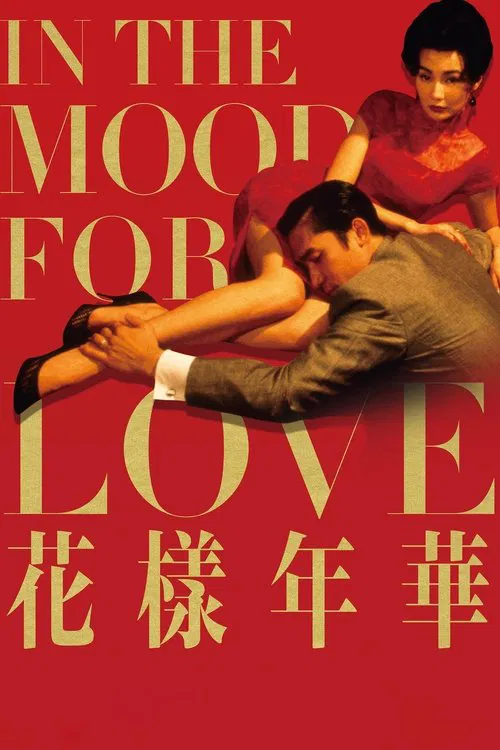
Wong Kar-wai directed Chungking Express, released in 1994. CineCode also covers In the Mood for Love (2000).
What films are similar to Chungking Express?
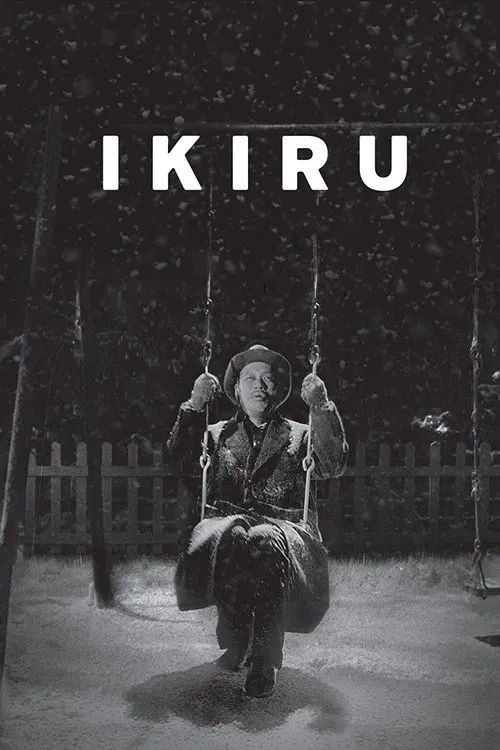
Films that share techniques with Chungking Express include Black Swan (2010), Ikiru (1952), mother! (2017), Tangerine (2015).