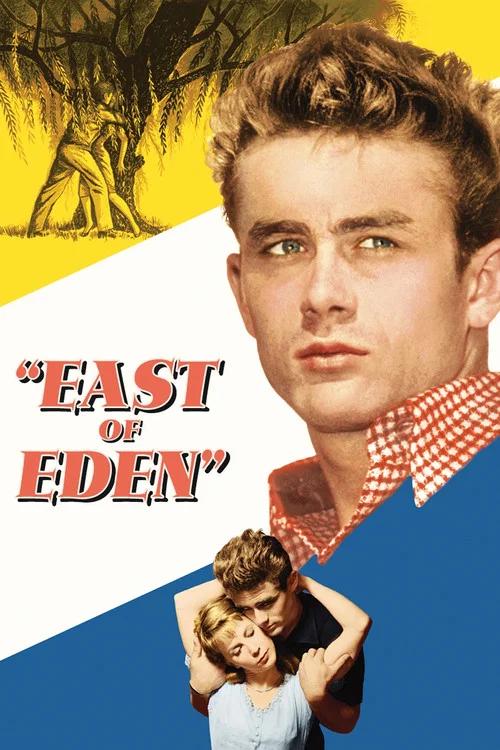
In California in 1917, moody Cal Trask tries to win the love of his strict father, who always prefers Cal's good-boy twin Aron. Cal then learns that their mother, who they were told was dead, runs a brothel in Monterey. Watch how Kazan uses the wide CinemaScope frame for a very private family fight.
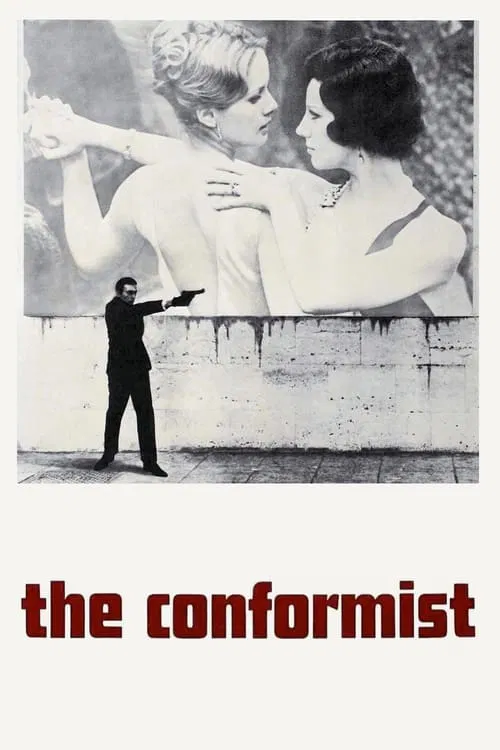
East of Eden is a 1955 drama film directed by Elia Kazan. This breakdown covers 4 techniques (1 psychology, 2 narrative and 1 cinematography), each with the scene where you can see it. If you like how it is made, The Conformist uses several of the same techniques.
Pairing the main character with a second character who mirrors them. The double shows what the hero wants, fears or secretly is.
How this film uses it
Cal and his twin Aron are opposites, the rebel and the saint. Cal also finds a second mirror in his mother Kate, who tells him she left because she hated the farm and her husband's control. He sees in her the part of himself he believes is sinful.
Where to see it
Cal and Kate: Cal tracks down Kate and says his personality has more in common with her than with his father. She assesses him and admits why she walked out.
Staging a single confrontation where a family visibly breaks apart. It is usually the emotional peak of a slow decline, and it shows how far apart the members really are.
How this film uses it
Cal plans a birthday present for his father with the money from his bean business. In one evening, Aron announces his engagement, Adam refuses Cal's money and the family splits apart. Nobody leaves the room as the same person they were when they entered it.
Where to see it
Birthday party: Cal gives his father the bean profits, and Adam refuses them as war profiteering. Aron's engagement announcement is praised as honest and good, and Cal storms out.
Building a love story around 3 people, where each pair has its own relationship and the third person always gets in the way. Your sympathy shifts because each of them has a fair claim.
How this film uses it
Abra is engaged to Aron but feels pulled toward Cal, who also wants to deserve her. Each pair has a different feeling, which makes the sibling rivalry sharper. Your sympathies keep shifting between the three.
Where to see it
Abra and the brothers: Abra grows attracted to Cal and he returns her feelings. When Aron announces their engagement at the party, Abra and Cal are both uneasy.
Using the full width of a very wide 2.35:1 frame to set small human figures against huge, empty landscapes. All that empty space makes the characters look isolated and insignificant.
How this film uses it
The film was released in CinemaScope, a very wide format, and one New York Times review praised Kazan's use of it and color to capture the Salinas farmland. The wide frame holds both the sunny fields and the cramped family drama. The setting looks open while the characters feel trapped.
Where to see it
Salinas Valley fields: the film uses wide shots of green farmland in sunshine, sharply in focus to the horizon, set against the strain between the characters.
Questions
East of Eden: quick answers
What filmmaking techniques does East of Eden use?
CineCode breaks down 4 techniques in East of Eden (1955): Psychological Doubling, Familial Dissolution Scene, Romantic Triangle Geometry and Anamorphic Scope Composition.
Who directed East of Eden?
Elia Kazan directed East of Eden, released in 1955. CineCode also covers A Streetcar Named Desire (1951), On the Waterfront (1954), Splendor in the Grass (1961).
What films are similar to East of Eden?
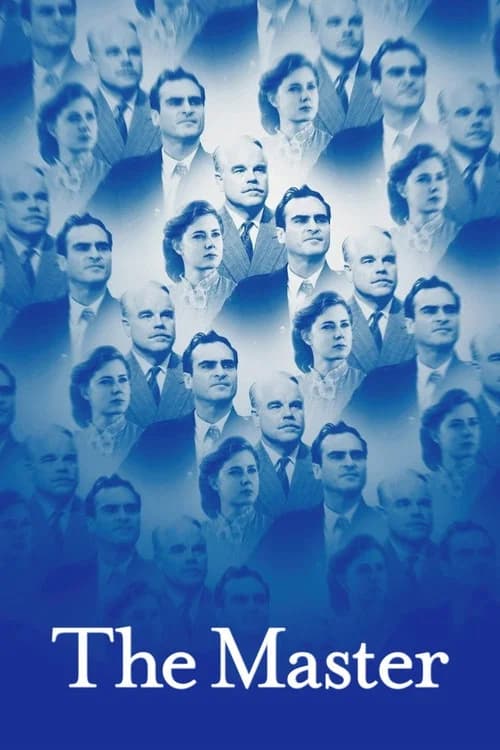
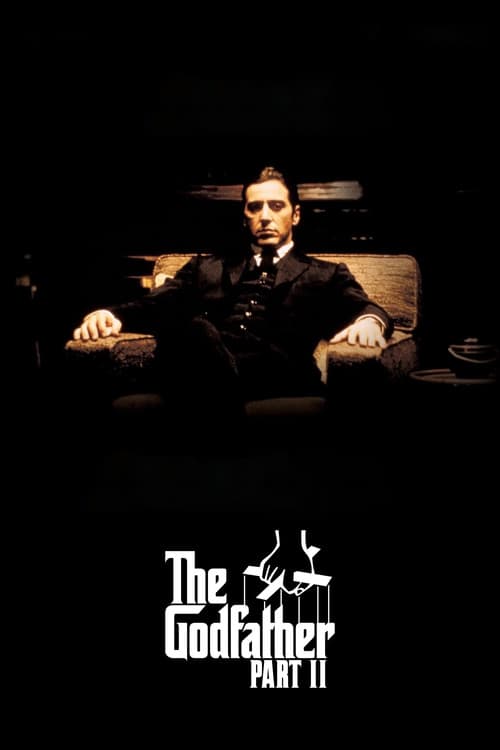
Films that share techniques with East of Eden include The Conformist (1970), The Master (2012), Black Swan (2010), The Godfather Part II (1974).