Romance · Thriller · Crime

To Catch a Thief

Alfred Hitchcock, 1955

A retired jewel thief on the French Riviera is suspected when a new burglar copies his style, so he tries to catch the copycat himself. Watch how Hitchcock makes a mystery as glamorous as a postcard.

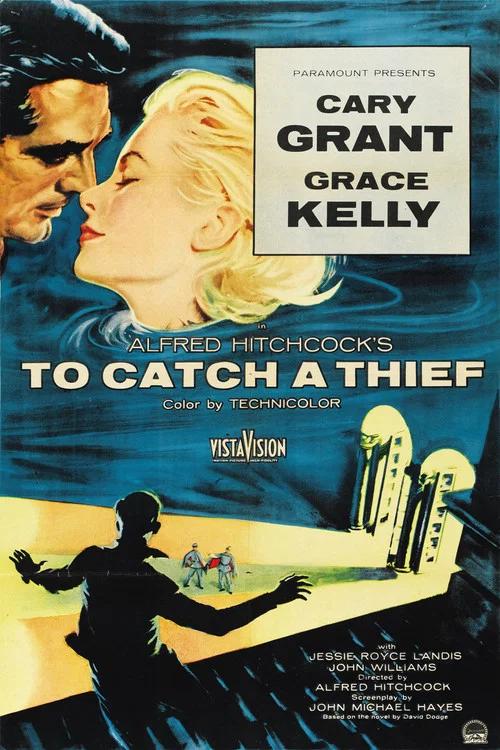
To Catch a Thief (1955) poster

At a glance

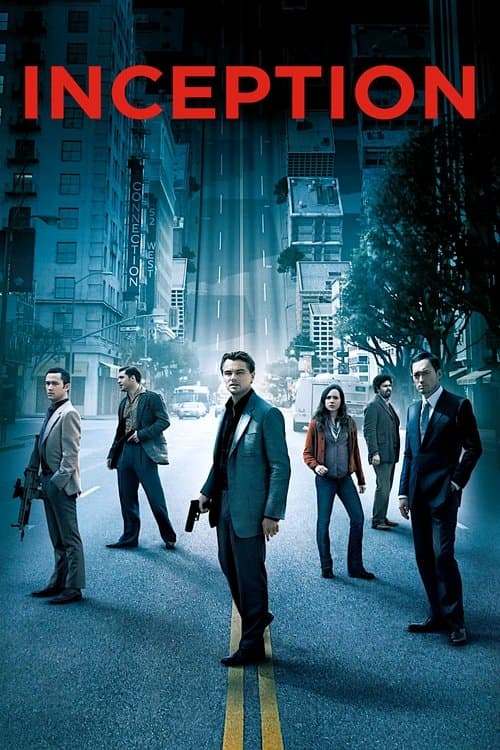
To Catch a Thief is a 1955 romance, thriller and crime film directed by Alfred Hitchcock. This breakdown covers 5 techniques (1 cinematography, 1 editing and 3 narrative), each with the scene where you can see it. If you like how it is made, Inception uses several of the same techniques.

Cinematography

Scenic Location Glamour

Filming beautiful real places in rich color so the setting adds to the film's appeal. You want to be there as much as you want to follow the story.

How this film uses it

Hitchcock shot on the French Riviera in VistaVision, his first of 5 films in that wide, sharp format. The sea, the villas and the Edith Head costumes are as much of the show as the plot. You want to be there.

Where to see it

The Cannes beach. Frances invites Robie to swim, and Danielle turns up to throw jealous barbs at him.
Editing

Non-Diegetic Insert

Cutting to an image from outside the story's time and place, such as a memory, fantasy or symbol. It shows what a character feels or comments on the scene.

How this film uses it

Robie and Frances kiss in her hotel room while fireworks go off outside. The film cuts between the kiss and the bursts of light. It tells you what is happening without showing anything more.

Where to see it

The fireworks scene. Frances admits she knows who Robie is, and the 2 kiss passionately while fireworks bloom outside the window.

Narrative

The MacGuffin

Giving the characters an object, secret or goal that everyone chases. What it actually is barely matters, because its job is to set the characters against each other.

How this film uses it

The stolen jewels draw everyone in, but they matter less than who is stealing them. Robie wants to clear his name, the police chase him and the insurance man helps him. The jewels give everyone a reason to be at the same parties.

Where to see it

The jewel list. Robie asks the insurance agent for a list of tourists on the Riviera with the most expensive jewelry, and it leads him to Jessie and Frances.

Narrative

Swapped Identity Disguise

Hiding who someone is behind a costume or a stand-in so pursuers and the audience read the wrong person. Who is under the mask drives the twist.

How this film uses it

At the masquerade ball, the man dressed as a masked Moor is not Robie. The insurance man switched places with him so Robie could slip away. The police wait and watch the wrong person dance all night.

Where to see it

The masquerade ball. The masked Moor accompanies Frances to her room, and it turns out to be Hughson in Robie's place.

Narrative

Romantic Triangle Geometry

Building a love story around 3 people, where each pair has its own relationship and the third person always gets in the way. Your sympathy shifts because each of them has a fair claim.

How this film uses it

Frances sets her sights on Robie while Danielle makes jealous remarks about his interest in Frances. Each pairing has its own tension, and Robie has to keep his cover with the 2 women.

Where to see it

The rooftop reveal. Robie catches the black-clad burglar and unmasks Danielle.

Questions

To Catch a Thief: quick answers

What filmmaking techniques does To Catch a Thief use?
CineCode breaks down 5 techniques in To Catch a Thief (1955): Scenic Location Glamour, Non-Diegetic Insert, The MacGuffin, Swapped Identity Disguise and Romantic Triangle Geometry.
Who directed To Catch a Thief?
Alfred Hitchcock directed To Catch a Thief, released in 1955. CineCode also covers The 39 Steps (1935), The Lady Vanishes (1938), Rebecca (1940), Suspicion (1941), Saboteur (1942), Shadow of a Doubt (1943).
What films are similar to To Catch a Thief?
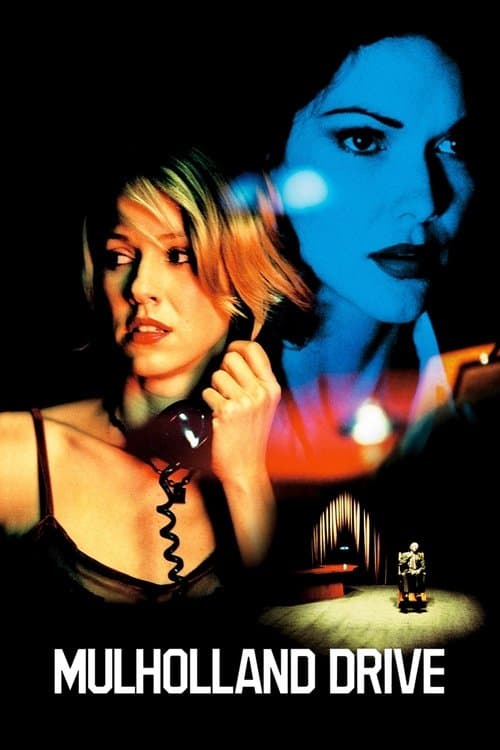
Films that share techniques with To Catch a Thief include Inception (2010), Mulholland Drive (2001), Casablanca (1942), Apocalypse Now (1979).