Kayla is a shy 13-year-old who spends her last week of middle school posting advice videos nobody watches and trying to get through parties, crushes and a dad who worries about her. Burnham keeps the film small and honest. Watch how he makes everyday social panic feel as tense as a thriller.
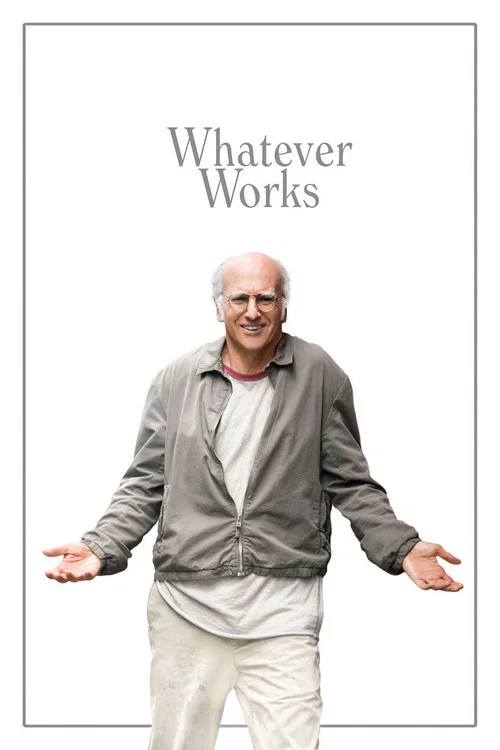
Eighth Grade is a 2018 comedy and drama film directed by Bo Burnham. This breakdown covers 5 techniques (3 narrative, 1 psychology and 1 sound), each with the scene where you can see it. If you like how it is made, Whatever Works uses several of the same techniques.
Having a character look into the camera and speak to the audience, also called breaking the fourth wall. It makes you feel like their confidant and reminds you this is a film.
How this film uses it
Kayla looks straight into her webcam and gives confident advice about being yourself. You are the only audience she has, so you feel like her one viewer. The gap between what she says to the camera and how she acts at school is the whole film.
Where to see it
Kayla's vlogs. She records motivational videos on a laptop, talking to the lens as if thousands were watching, when almost nobody is.
Giving a character a protective manner, such as charm, cynicism or intellect, that hides vulnerability. The audience sees the defense first and the wound it covers later.
How this film uses it
Online, Kayla is bright and sure of herself. In person she barely speaks and has been voted Most Quiet by her class. The vlogs are her armor, and you see the nervous kid under it once she has to face real people.
Where to see it
The pool party. Kayla hides in the bathroom with a panic attack, then goes outside and ends up talking with Kennedy's cousin Gabe.
Scoring with synthesizers, club beats or electronic instruments. The texture can suggest a period, a mood or a character's inner state.
How this film uses it
Composer Anna Meredith wrote an electronic score because Burnham wanted to avoid a cute sound for a film about a young girl. The synthesizer textures make small moments like walking into a room feel urgent. You feel the dread of being 13 in your body.
Where to see it
The mall trip. Kayla goes along with Olivia and her friends while her dad watches from a distance, and she tells him to leave.
Building part of the story around a young character's first test of adulthood, such as a hunt or an ordeal. The trial shows what a community values and what it hides from its children.
How this film uses it
Kayla's first real test of growing up is a car ride with an older boy who pushes her to play truth or dare. The scene is quiet and cramped, and nothing violent happens on screen. That is why it is so uncomfortable to watch.
Where to see it
The truth or dare car ride. Riley pressures Kayla into an invasive game, takes off his shirt and gets angry when she refuses to do the same.
Returning to the same physical object again and again until it means more than what it is. It moves the plot and also stands for the film's main ideas.
How this film uses it
A time capsule that Kayla made in sixth grade bookends the film. At the start it holds a hopeful message to her future self. By the end she has a different message to bury, which shows how much she has changed in a week.
Where to see it
The time capsule. Kayla watches her sixth-grade video, burns it with her dad, and later buries a new one with a message to her future self.
Questions
Eighth Grade: quick answers
What filmmaking techniques does Eighth Grade use?
CineCode breaks down 5 techniques in Eighth Grade (2018): Direct Address, Defensive Persona, Electronic Score, Coming-of-Age Trial and Symbolic Object.
Who directed Eighth Grade?
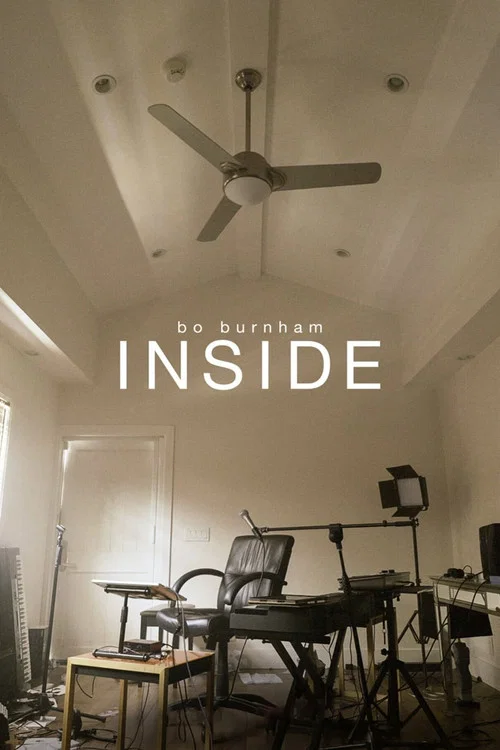
Bo Burnham directed Eighth Grade, released in 2018. CineCode also covers Bo Burnham: Inside (2021).
What films are similar to Eighth Grade?
Films that share techniques with Eighth Grade include Whatever Works (2009), The Brothers Grimm (2005), Fight Club (1999), The Shawshank Redemption (1994).