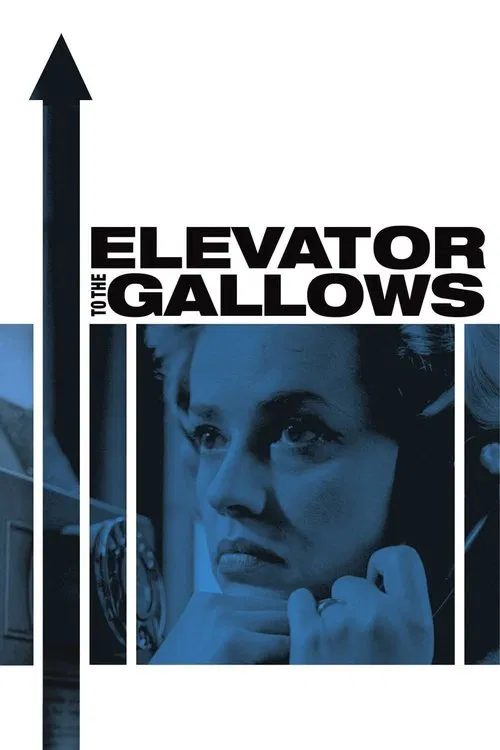
Julien murders his boss, who is also the husband of his lover Florence, and then gets stuck in an elevator after leaving a rope behind. While he is trapped, two young criminals steal his car. Watch for the Miles Davis score and the night walks of Jeanne Moreau.
Elevator to the Gallows is a 1958 crime, thriller and drama film directed by Louis Malle. This breakdown covers 4 techniques (1 editing, 1 narrative, 1 sound and 1 cinematography), each with the scene where you can see it. If you like how it is made, Parasite uses several of the same techniques.
Alternating between simultaneous lines of action in different places or worlds. The cuts build suspense or draw a comparison between the threads.
How this film uses it
The film cuts between Julien trapped in the elevator, Florence searching Paris for him and the young couple joyriding in his car. Each thread shows what the others cannot know, so the tension builds from the gaps.
Where to see it
The night: While Julien is stuck, Florence wanders Paris, and Louis and Veronique race the stolen car.
Showing an object or detail early on that becomes important later. The idea is that nothing gets screen time unless the story is going to use it.
How this film uses it
The small things Julien leaves behind come back and trap him. His rope is left hanging from the balcony, and his camera, taken with the stolen car, holds film that later becomes evidence against him and Florence.
Where to see it
The photo lab: Developed photos from Julien's camera show Florence and Julien together and become evidence against them.
Scoring the film with uneasy jazz, often improvised or driven by drums. Its late-night city feel and unstable harmonies rub against the images and track a mind coming apart.
How this film uses it
Miles Davis improvised the score in one session in Paris with musicians who had not seen the film. His lonely trumpet follows Florence and Julien through the night.
Where to see it
Florence's search: A muted trumpet plays as she wanders the city looking for Julien.
Shooting night scenes on fast film with only street and shop-window light. Faces are shaped by the real glow of the city, with no studio lighting added.
How this film uses it
Malle shot Jeanne Moreau walking the Champs-Elysees on fast film, using only street and shop-window light. Her face is lit by café and shop lights, which was unusual for a star. The look feels real and lonely.
Where to see it
The Champs-Elysees: Florence walks the lit streets at night, looking for Julien.
Questions
Elevator to the Gallows: quick answers
What filmmaking techniques does Elevator to the Gallows use?
CineCode breaks down 4 techniques in Elevator to the Gallows (1958): Parallel Crosscutting, Chekhov's Gun, Dissonant Jazz Underscore and Available-Light Night Photography.
Who directed Elevator to the Gallows?
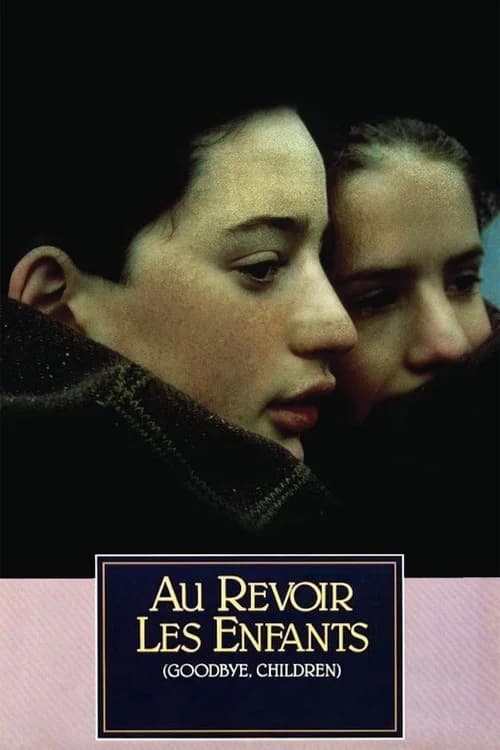
Louis Malle directed Elevator to the Gallows, released in 1958. CineCode also covers Au Revoir les Enfants (1987).
What films are similar to Elevator to the Gallows?
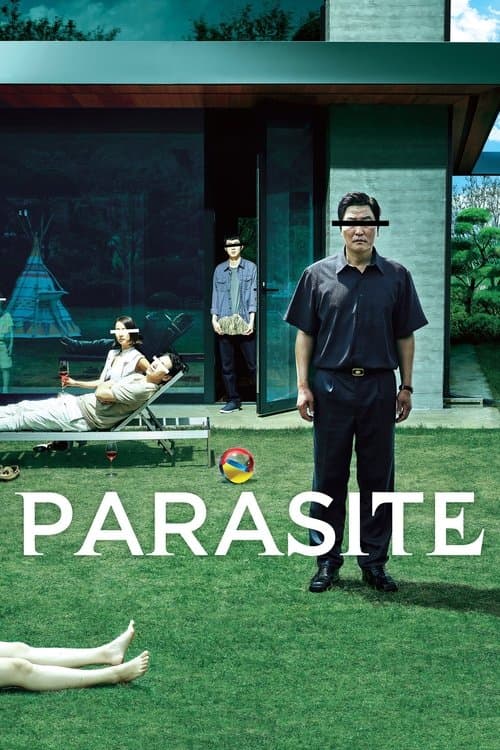
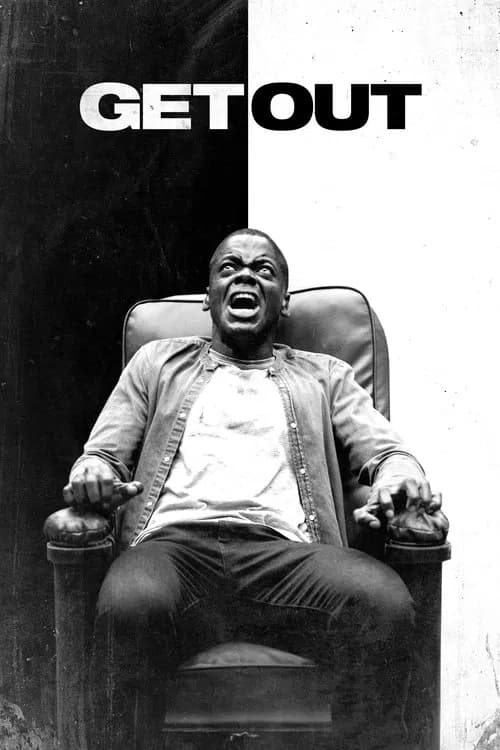
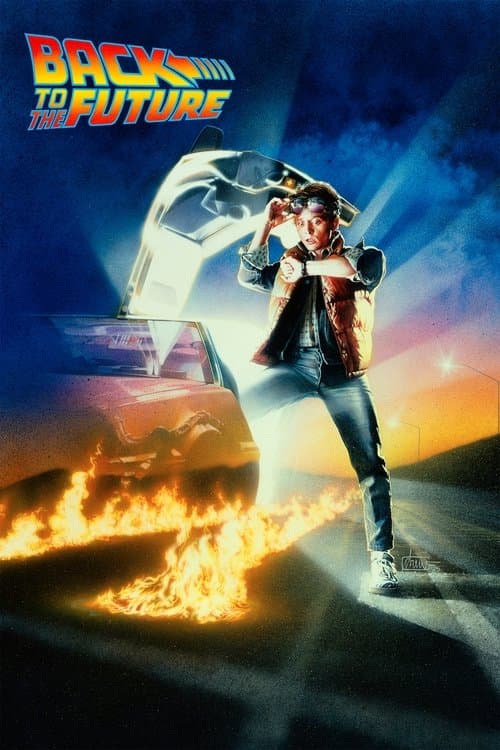
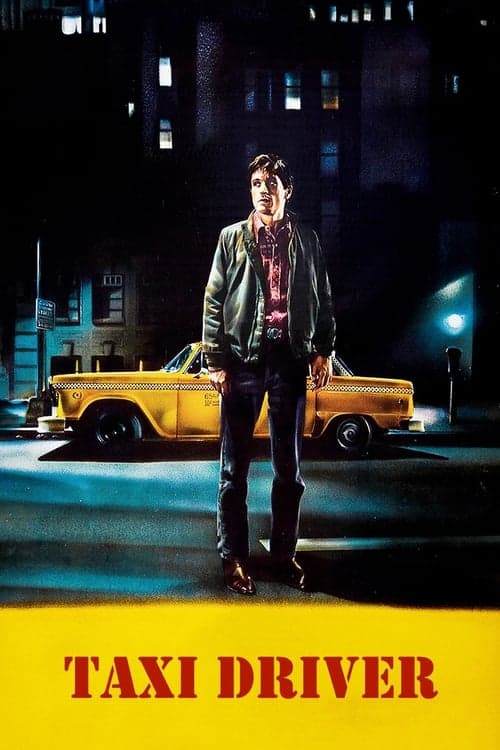
Films that share techniques with Elevator to the Gallows include Parasite (2019), Get Out (2017), Back to the Future (1985), Taxi Driver (1976).