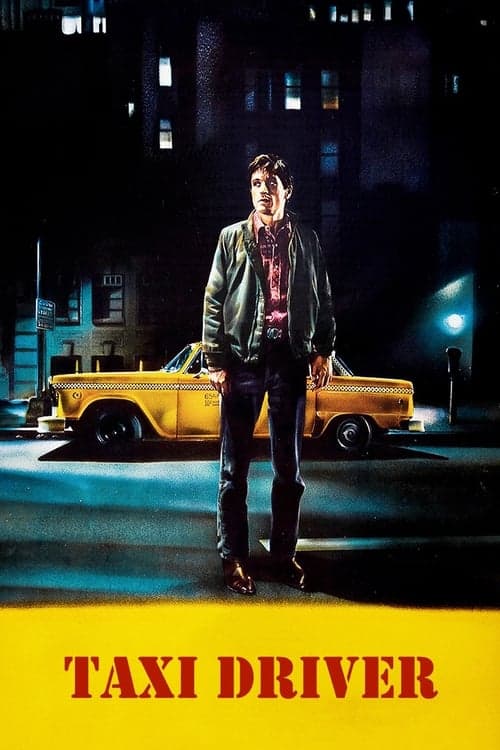
Taxi Driver
Martin Scorsese · 1976
A mentally unstable Vietnam veteran drives a cab through the seething streets of New York, his disgust with the city's corruption curdling into a violent fantasy of purification. One of cinema's most unsettling studies of radicalization and masculine psychosis.
Techniques Used
5 techniques identified in this film
Deteriorating Diary Voiceover
NarrativeDiary-style narration that presents itself as introspective self-awareness while revealing, through gaps between statement and image, an increasingly fractured and dangerous worldview.
How this film uses it
Travis's journal entries read as sincere self-improvement — but every observation is paranoid, dehumanizing, and escalating. He calls himself a person who will not 'allow' himself to do things he is clearly doing. The narration and the image track are two different films that tell us everything about his state of mind.
City as Subjective Projection
CinematographyPhotographing an urban environment not as a documentary record but as an externalization of a disturbed protagonist's psychology — rain-slicked streets, steam vents, neon reflections rendered as fever dream.
How this film uses it
Scorsese and cinematographer Michael Chapman shoot New York in slow motion, through rain-distorted glass, at unusual angles. This is not the city as it is — it's the city as Travis experiences it. The visual grammar makes the audience uncertain whether what they're seeing is real or projected.
Mirror Confrontation Monologue
PsychologyA character rehearsing aggression with their own reflection — performing a confrontation with an imaginary enemy — externalizing an identity crisis as self-directed theater.
How this film uses it
'You talkin' to me?' is Travis role-playing the gunfighter he intends to become, with himself as both threat and hero. The mirror cannot answer, which is the point: Travis is creating a self that has no external validation, only the reflection he demands it show back.
Vigilante Hero Misreading
NarrativeStructuring a film so that the narrative grammar of the hero's journey — quest, obstacle, climactic action, social reward — is applied to what has been shown to be a delusional and violent psychosis.
How this film uses it
The finale gives Travis a massacre, a newspaper headline calling him a hero, and Betsy riding in his cab with admiring eyes. The film's language says 'triumph' while the content says 'psychosis.' Scorsese and Schrader deliberately exploited Hollywood's narrative reflexes to produce an ending that should disturb rather than satisfy.
Dissonant Jazz Underscore
SoundUsing jazz — with its improvisational anxiety, late-night urban associations, and harmonic instability — as the primary emotional register of a film's psychological deterioration.
How this film uses it
Bernard Herrmann's final score mixes saxophone solos with orchestral dissonance, scoring Travis's inner world as a jazz musician playing in an empty room. The music doesn't resolve — it circles and repeats like Travis's thoughts. Herrmann died the night he finished it.
You Might Also Like
Films that share at least one technique with Taxi Driver
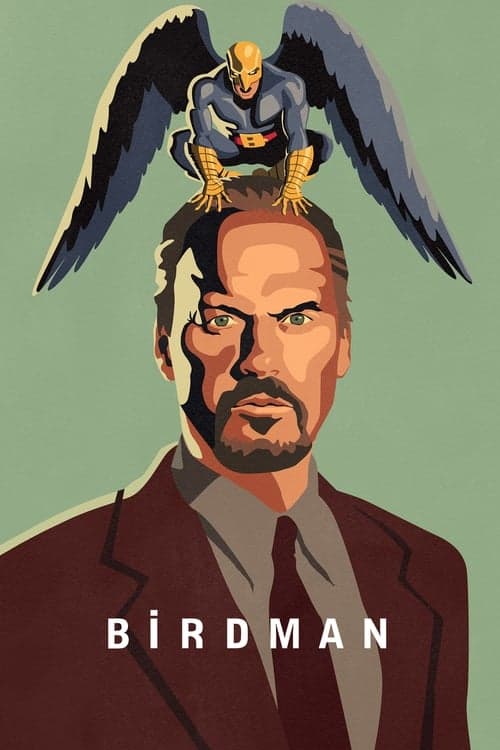
A faded superhero movie actor attempts to reclaim his artistic credibility by writing, directing, and starring in a Raymond Carver adaptation on Broadway, while his alter ego superhero persona taunts him with fantasies of irrelevance. The film is a hallucinatory meditation on ego, legacy, and artistic self-destruction.
Birdman or (The Unexpected Virtue of Ignorance)
Alejandro González Iñárritu · 2014
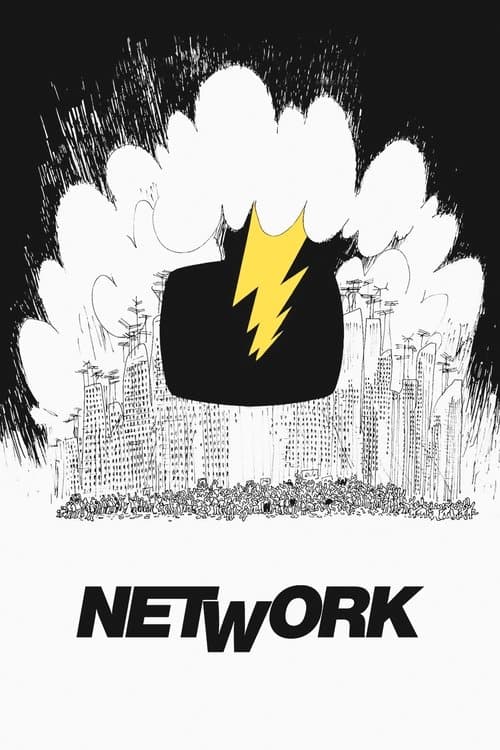
A television news anchor has a breakdown on air, announces he will kill himself on next week's broadcast, and becomes a ratings sensation. The network's executives debate whether to protect him or exploit him — and the answer is not difficult. A satire so accurate that it reads as prophecy.
Network
Sidney Lumet · 1976
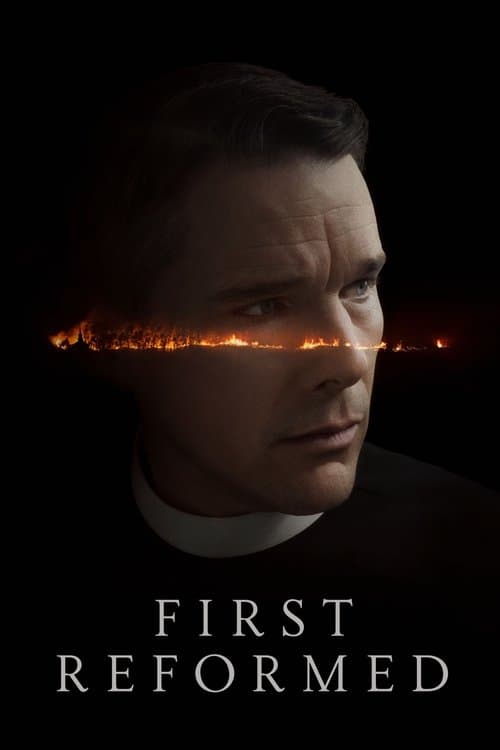
A minister at a small historic Dutch Reformed church in upstate New York counsels a young environmental activist and is radicalized by his encounter with ecological despair — moving toward an act of violence that he frames as spiritual self-immolation. Paul Schrader's film is a diary of a man in theological crisis.
First Reformed
Paul Schrader · 2017