Adventure · Action · Comedy

The Hidden Fortress

Akira Kurosawa, 1958

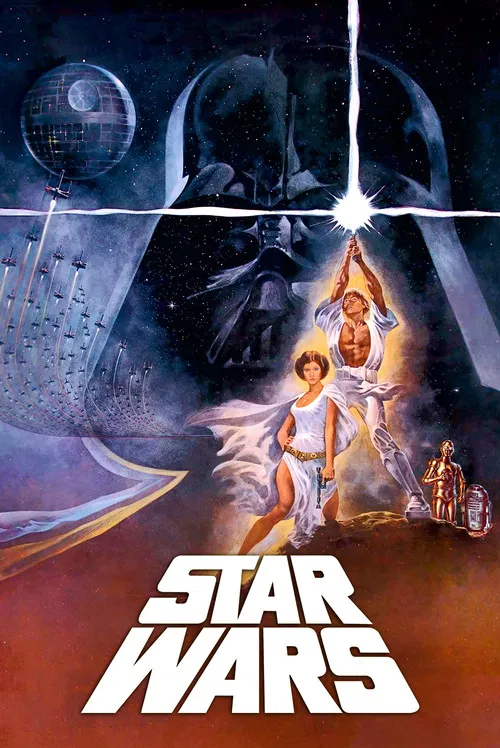
Two greedy, bickering peasants agree to help a stranger smuggle gold across enemy lines. They have no idea the man is a famous general and the silent girl with him is a princess. It's Kurosawa's first widescreen film and a big, funny adventure. George Lucas has said it shaped Star Wars, and you can see why from the first scene.

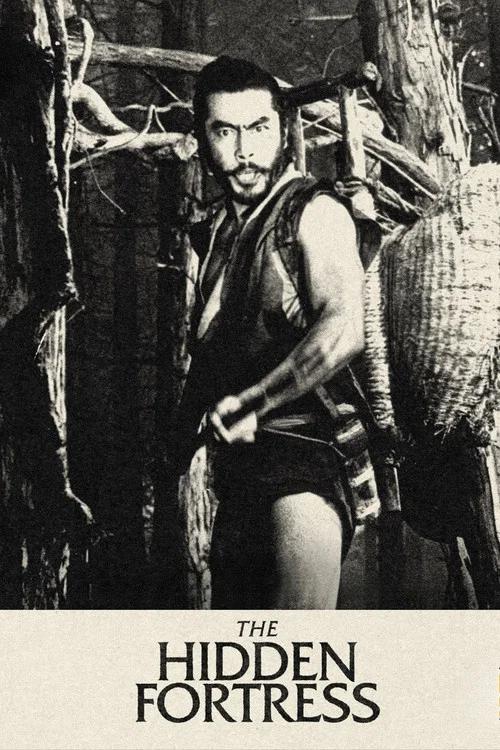
The Hidden Fortress (1958) poster

At a glance

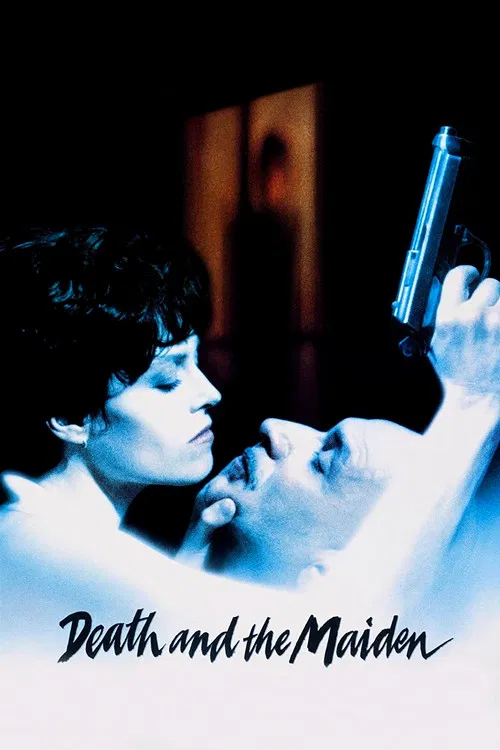
The Hidden Fortress is a 1958 adventure, action and comedy film directed by Akira Kurosawa. This breakdown covers 5 techniques (2 narrative, 1 cinematography, 1 editing and 1 sound), each with the scene where you can see it. If you like how it is made, Death and the Maiden uses several of the same techniques.

Narrative

Outsider Viewpoint

Telling the story through someone at the margin, such as a lowly servant, an animal or a drifter, so the world looks different from their position.

How this film uses it

The film follows Tahei and Matashichi, 2 cowards who only care about gold. The general and the princess are the real heroes, but you watch them through the eyes of men who don't know who they are. Lucas has said these 2 inspired R2-D2 and C-3PO.

Where to see it

The ending at the Hayakawa castle. The peasants are dragged in as thieves and finally see the general and the princess in their true clothes, and they are stunned.
Cinematography

Anamorphic Scope Composition

Using the full width of a very wide 2.35:1 frame to set small human figures against huge, empty landscapes. All that empty space makes the characters look isolated and insignificant.

How this film uses it

This was Kurosawa's first film in Tohoscope, a very wide format. He fills the frame with empty hills and long horizons and puts his tiny characters at the bottom. The peasants look as lost in the land as they are in the war.

Where to see it

The opening. Tahei and Matashichi trudge across a bare landscape, arguing and blaming each other, and the wide frame makes them look pathetic and small.

Editing

Wipe Transition

Changing scenes by having 1 image slide off screen as the next slides in. The technique comes from 1930s serials and samurai films, and using it nods to that tradition.

How this film uses it

Kurosawa moves between scenes with wipes, where a line sweeps across the screen and pushes one shot out for the next. It keeps the journey moving like an old adventure serial. Star Wars borrowed the same device for the same feeling.

Where to see it

The peasants' quarrel. Tahei and Matashichi split up after a fight, and a wipe carries the story from one of them to the other.

Sound

Musical Memory Trigger

Repeating one piece of music until it is tied to a memory or feeling. Each time it returns, it brings back everything you and the characters have been through.

How this film uses it

At the Fire Festival, the travelers join a song about how short life is. Princess Yuki repeats the words later when she faces execution. Then her enemy Tadokoro starts singing the same song, and you know he is about to change sides.

Where to see it

The march to the execution. Tadokoro sings the Fire Festival chant, then sends the gold-laden horses running across the border and frees the prisoners.

Narrative

Ambiguous Antagonist

Writing an opponent the film never fully labels as evil. Their motives mix ordinary human wants with real harm, and they may even help the hero grow.

How this film uses it

Tadokoro is a general for the enemy clan and an old rival of Rokurota. He loses their duel and gets spared, then is beaten and scarred by his own lord for it. By the end, his sense of honor makes him the one who saves everybody.

Where to see it

The lance duel. Rokurota rides into the Yamana camp, Tadokoro challenges him to single combat, and Rokurota wins but refuses to kill him.

Questions

The Hidden Fortress: quick answers

What filmmaking techniques does The Hidden Fortress use?
CineCode breaks down 5 techniques in The Hidden Fortress (1958): Outsider Viewpoint, Anamorphic Scope Composition, Wipe Transition, Musical Memory Trigger and Ambiguous Antagonist.
Who directed The Hidden Fortress?
Akira Kurosawa directed The Hidden Fortress, released in 1958. CineCode also covers Rashomon (1950), Ikiru (1952), Seven Samurai (1954), Throne of Blood (1957), Yojimbo (1961), Sanjuro (1962).
What films are similar to The Hidden Fortress?
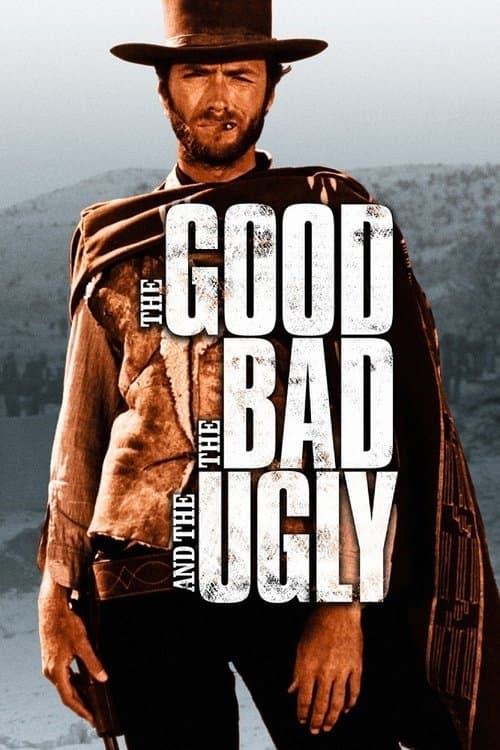
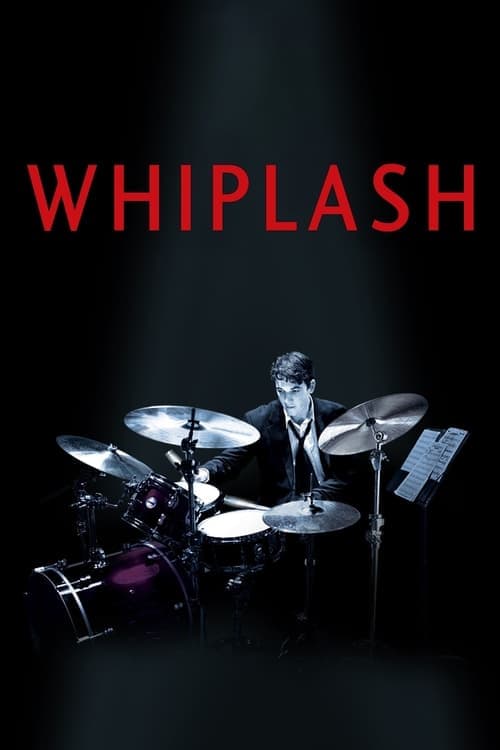
Films that share techniques with The Hidden Fortress include Death and the Maiden (1994), Whiplash (2014), The Good, the Bad and the Ugly (1966), Star Wars: A New Hope (1977).