Comedy · Musical · Romance

Everyone Says I Love You

Woody Allen, 1996

A wealthy New York family and their friends fall in and out of love in Manhattan, Venice and Paris, and they keep bursting into song. A father tries to win over a woman in Venice, and the family gathers in Paris. It is worth watching for how an old-fashioned musical sneaks into a modern comedy.

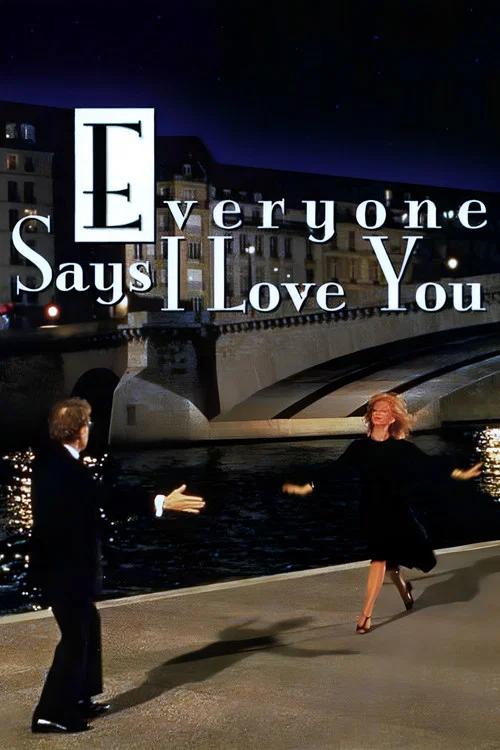
Everyone Says I Love You (1996) poster

At a glance

Everyone Says I Love You is a 1996 comedy, musical and romance film directed by Woody Allen. This breakdown covers 5 techniques (2 sound, 1 narrative, 1 editing and 1 cinematography), each with the scene where you can see it. If you like how it is made, The Big Lebowski uses several of the same techniques.

Sound

Original Songs as Narrative

Writing songs for the film that carry story, feeling or payoff. Characters burst into music or a theme song resolves the plot.

How this film uses it

Ordinary people sing in ordinary places, such as a hospital and a funeral. No one reacts. Allen keeps the camera calm, so the singing feels like a natural response to feeling. Songs such as Makin' Whoopee turn up in places where no musical would normally go.

Where to see it

The funeral. Corpses in the chapel sing and dance to Enjoy Yourself (It's Later than You Think).

Sound

Diegetic Musical Performance

Letting characters perform the songs on screen, so the music comes from their own hands and voices. You hear the song and the performer's nerves at the same time.

How this film uses it

Most of the cast sing in their own voices, and the film wants a realistic sound. Not everyone sounds polished. Drew Barrymore's singing was dubbed by Olivia Hayman, a reminder that the film picks its moments. The imperfection keeps the numbers warm.

Where to see it

The emergency room. Makin' Whoopee is sung in a hospital ER, and an everyday setting hosts a full number.

Narrative

Deadpan Absurdism

Showing extreme, violent or surreal events while the characters react as if nothing unusual is happening. That mismatch is funny and unsettling at the same time.

How this film uses it

People start singing and nobody reacts as if anything is strange. The film also lets the dead dance at a funeral with the same straight face. That calm treatment is what makes the absurd moments funny.

Where to see it

The funeral. The corpses sing and dance in the chapel, and the film plays it as normal.

Editing

Callback Editing

Bringing back an earlier image, line, location or piece of staging later in the film, often with the situation reversed. You enjoy recognizing it, and the comparison adds meaning.

How this film uses it

The Paris family party is Groucho Marx themed and plays Hooray for Captain Spaulding. At the end, DJ dances with a partner dressed as Harpo Marx. The Marx joke returns at the finish, so the film ends on its earlier tribute.

Where to see it

The ending. The family dances to the title song, and DJ's partner wears a Harpo Marx costume.

Cinematography

Scenic Location Glamour

Filming beautiful real places in rich color so the setting adds to the film's appeal. You want to be there as much as you want to follow the story.

How this film uses it

The love stories move from New York to Venice to Paris. Each city frames a different kind of romance. Joe courts Von in Venice. In Paris, Joe and Steffi share a kiss at the family party.

Where to see it

Venice. Joe courts Von on his daughter DJ's advice, and she leaves her husband for him.

Questions

Everyone Says I Love You: quick answers

What filmmaking techniques does Everyone Says I Love You use?
CineCode breaks down 5 techniques in Everyone Says I Love You (1996): Original Songs as Narrative, Diegetic Musical Performance, Deadpan Absurdism, Callback Editing and Scenic Location Glamour.
Who directed Everyone Says I Love You?
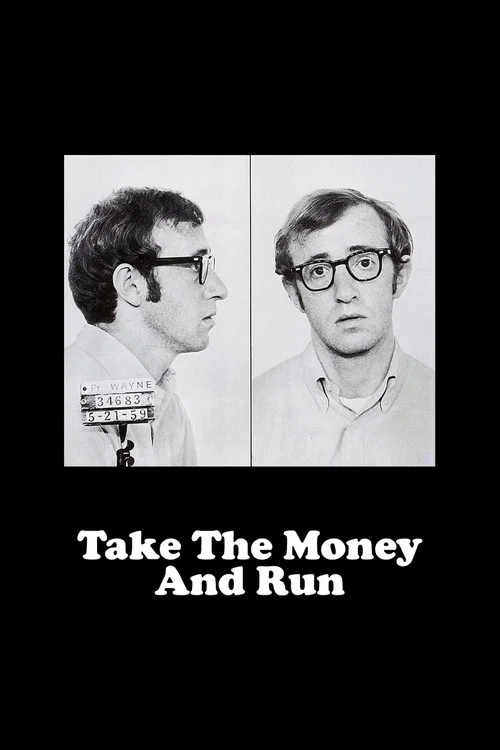
Woody Allen directed Everyone Says I Love You, released in 1996. CineCode also covers Take the Money and Run (1969), Bananas (1971), Everything You Always Wanted to Know About Sex *But Were Afraid to Ask (1972), Sleeper (1973), Love and Death (1975), Annie Hall (1977).
What films are similar to Everyone Says I Love You?
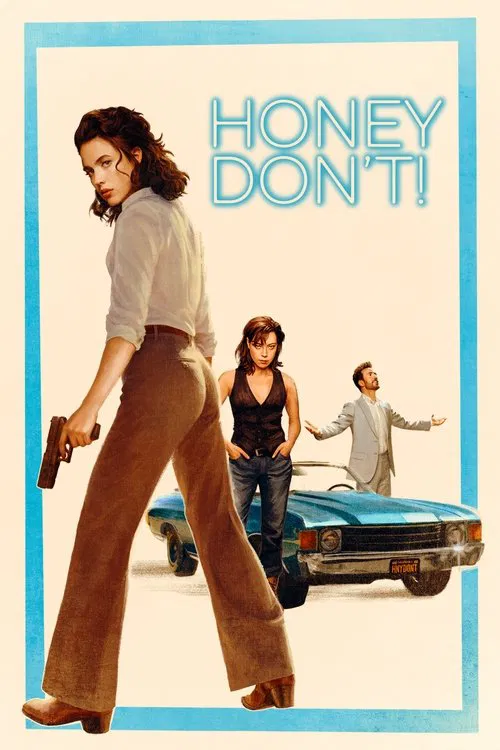
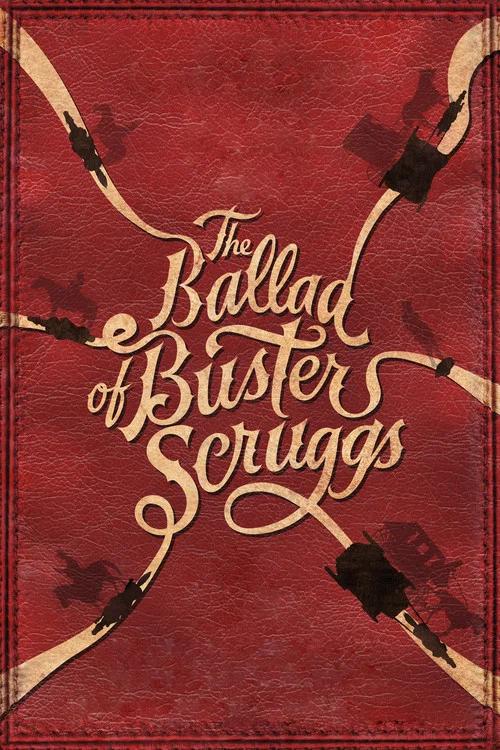
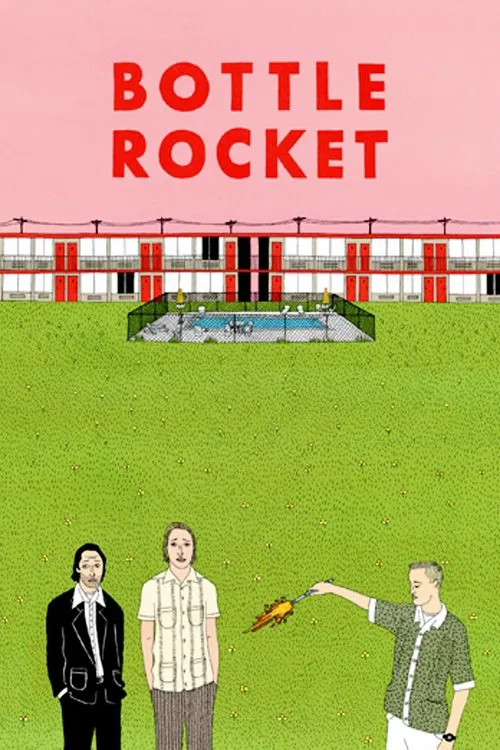
Films that share techniques with Everyone Says I Love You include The Big Lebowski (1998), Honey Don't! (2025), The Ballad of Buster Scruggs (2018), Bottle Rocket (1996).