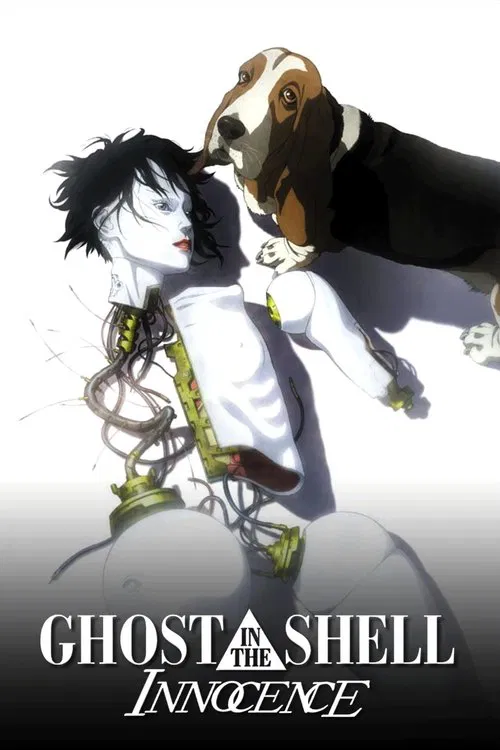
In 2032, cyborg detective Batou and his partner Togusa investigate female-form robots that have turned on their owners. Batou is still haunted by the Major, who disappeared three years earlier. Watch how Oshii mixes hand-drawn animation, computer graphics and music into a strange, dreamlike world.
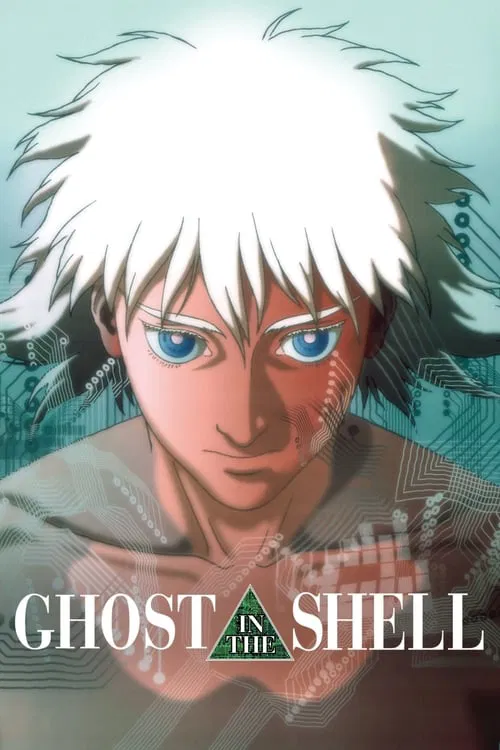
Ghost in the Shell 2: Innocence is a 2004 animation, science fiction and mystery film directed by Mamoru Oshii. This breakdown covers 5 techniques (2 narrative, 2 sound and 1 cinematography), each with the scene where you can see it. If you like how it is made, Ghost in the Shell uses several of the same techniques.
Building the story on the idea that the characters' world may be an artificial simulation. The film uses that idea to ask what is real and how anyone could know.
How this film uses it
Batou and Togusa are trapped in a false reality built by a hacker, and it takes a while for them to realize it. You doubt the world they walk through just as they do.
Where to see it
Kim's mansion: Kim, a hacker who lives in a marionette body, hacks their brains and traps them in a false reality until Batou subdues him.
Weaving melodies from earlier films in a series into the new score. The familiar music ties the new story to the old one and tells you what to remember.
How this film uses it
Kenji Kawai's score reprises Follow Me from the first film, based on a piece by Joaquin Rodrigo. The old melody ties the sequel to the original and reminds you what Batou is missing.
Where to see it
The Major returns: The Major appears through a remotely controlled gynoid to help Batou, then says she will always be beside him on the network.
Choosing an odd or unexpected instrument for the score. The unfamiliar tone makes the world feel fresh, strange or psychologically unsettled.
How this film uses it
Oshii asked for a huge music box, which was played back in an underground quarry and recorded with eight microphones, and the folk chorus grew to 75 performers. Both sounds make the world feel old and haunted at once.
Where to see it
The parade: A parade sequence, drawn from a religious procession and a temple in Taiwan, passes through the film's false reality.
Composing and lighting shots to echo specific paintings, or building sets in which characters step inside famous artworks. The frames feel like historical art come to life.
How this film uses it
The gynoids are based on the ball-jointed dolls of the artist Hans Bellmer, which Oshii saw at an exhibit in New York. Their stiff, doll-like bodies make the question of whether they have souls feel physical.
Where to see it
The ghosted gynoids: Batou investigates the gynoids that malfunctioned and discovers that they held human consciousnesses copied into dolls.
Building the story around a character slowly finding out that their reality is constructed. The film uses this to ask how anyone can check that what they experience is real.
How this film uses it
The film opens by asking whether love and belief can be scientific, and then keeps testing what counts as real. Batou's own brain is hacked, so even his senses can't be trusted.
Where to see it
The hacked shootout: Batou's cyberbrain is hacked, and he attacks bystanders in a store.
Questions
Ghost in the Shell 2: Innocence: quick answers
What filmmaking techniques does Ghost in the Shell 2: Innocence use?
CineCode breaks down 5 techniques in Ghost in the Shell 2: Innocence (2004): Simulation Narrative, Legacy Theme Quotation, Unusual Instrument Scoring, Painting-Inspired Composition and Reality Epistemology Theme.
Who directed Ghost in the Shell 2: Innocence?
Mamoru Oshii directed Ghost in the Shell 2: Innocence, released in 2004. CineCode also covers Ghost in the Shell (1995).
What films are similar to Ghost in the Shell 2: Innocence?
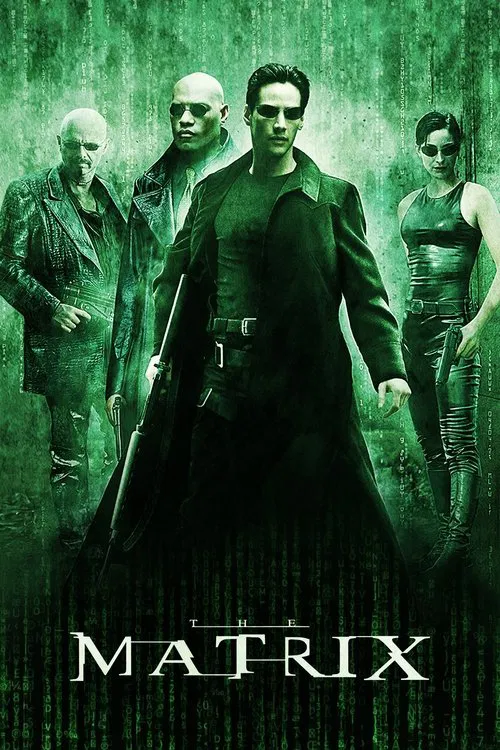
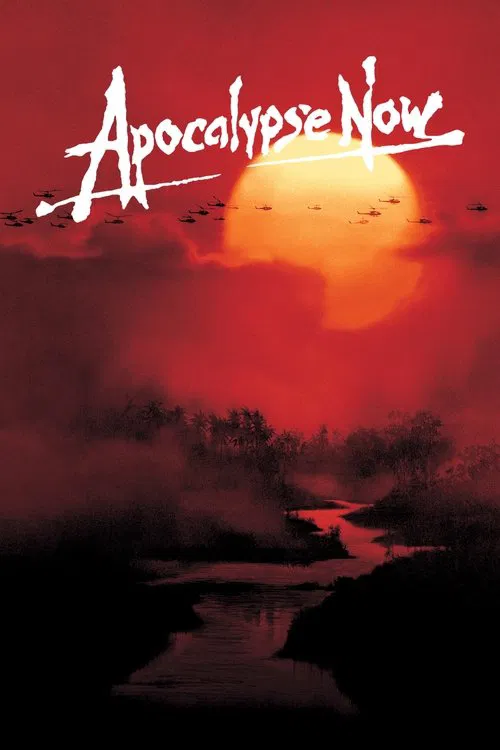
Films that share techniques with Ghost in the Shell 2: Innocence include Ghost in the Shell (1995), The Matrix (1999), Interstellar (2014), Apocalypse Now (1979).