Horror · Drama · War

The Devil's Backbone

Guillermo del Toro, 2001

At the end of the Spanish Civil War, a boy named Carlos arrives at a remote orphanage where a ghost walks the halls and the caretaker is hunting for hidden gold. It is a ghost story and a war story at once. Watch how a pale, wounded ghost carries the film's whole sense of loss.

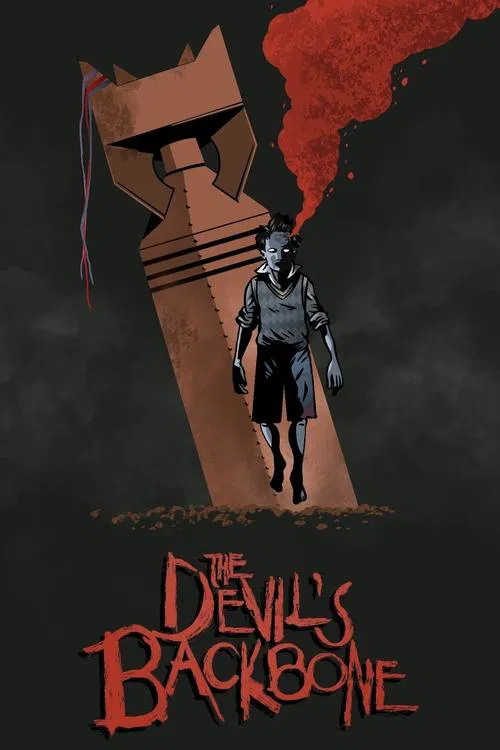
The Devil's Backbone (2001) poster

At a glance

The Devil's Backbone is a 2001 horror, drama and war film directed by Guillermo del Toro. This breakdown covers 5 techniques (2 narrative, 1 sound, 1 psychology and 1 cinematography), each with the scene where you can see it. If you like how it is made, The Good, the Bad and the Ugly uses several of the same techniques.

Narrative

Civil War as Moral Backdrop

Setting personal stories against the Civil War or another historical war. The large-scale violence of armies gives context and extra weight to what the individual characters do.

How this film uses it

The story takes place at an orphanage in 1939, at the end of the Spanish Civil War, with Republican gold hidden in the building. An unexploded bomb sits in the courtyard. The war stays offstage, but the choices the adults make about money and loyalty come from it.

Where to see it

The evacuation: after Ayala is captured, Dr. Casares decides to move the children out, and Jacinto overhears and demands the gold.
Sound

Off-Screen Presence

Keeping a threat or character mostly out of view and suggesting it through sound, movement at the edge of the frame and other people's reactions. Your imagination makes it scarier than anything shown.

How this film uses it

The first sign of the ghost is a voice. Carlos sneaks into the kitchen after curfew and hears a whisper from nowhere. Because you never see the speaker, you have to imagine it, and that is scarier than any image.

Where to see it

The kitchen: Carlos sneaks in after curfew and hears a whisper saying that many of them will die.

Psychology

Child's Forced Moral Burden

Placing a child in the middle of adult moral failures and making them face a choice they can't fully understand. You understand what the child doesn't, which is where the horror comes from.

How this film uses it

The adults fail the children, and the children end up handling the consequences. Jaime tells Carlos the truth about what happened to Santi. You see the weight they carry while the grown-ups fight over gold.

Where to see it

The cellar: the children fight back against Jacinto in the cellar, and he is pushed into the cistern.

Narrative

Ghost as Moral Figure

Using a ghost as a moral presence tied to past wrongs, often gentler than the living, so the real horror and the real hope come from human choices.

How this film uses it

Santi is not there to scare anyone. He stays because he was killed and his body was sunk in the cistern. When Jacinto is dragged under by the ghost, the haunting has done what it came to do.

Where to see it

The cistern: Jaime reveals that Jacinto struck Santi against a wall and sank his body there.

Cinematography

Ghost Presentation

Showing ghosts through design and staging, such as visible wounds or blocking that places them among the living unseen. The look explains their death and their isolation.

How this film uses it

Santi is a pale boy with a wounded head, and his temple looks like cracked, aged porcelain. DDT Studios in Barcelona created the final look. His injury is the story of how he died, so you understand him before anyone explains.

Where to see it

Outside: Carlos sees a pale, wounded boy outside and later finds a drawing labeled Santi.

Questions

The Devil's Backbone: quick answers

What filmmaking techniques does The Devil's Backbone use?
CineCode breaks down 5 techniques in The Devil's Backbone (2001): Civil War as Moral Backdrop, Off-Screen Presence, Child's Forced Moral Burden, Ghost as Moral Figure and Ghost Presentation.
Who directed The Devil's Backbone?
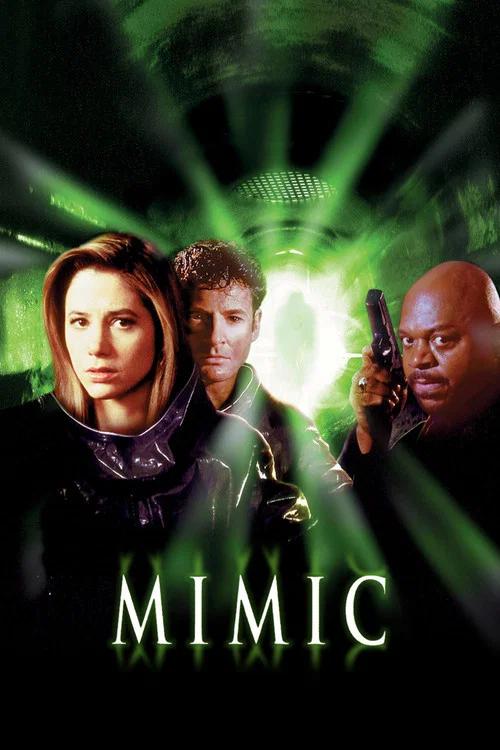
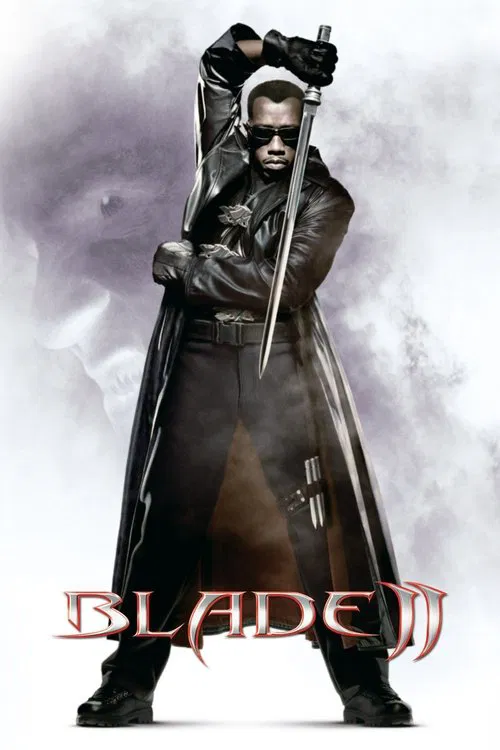
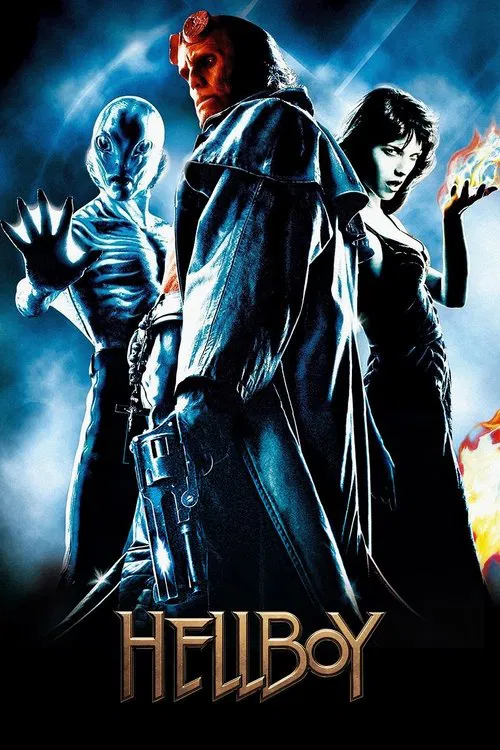
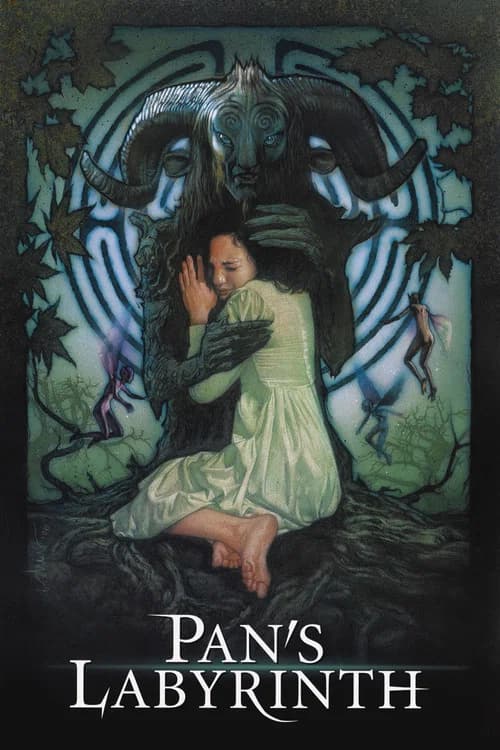
Guillermo del Toro directed The Devil's Backbone, released in 2001. CineCode also covers Cronos (1993), Mimic (1997), Blade II (2002), Hellboy (2004), Pan's Labyrinth (2006), Hellboy II: The Golden Army (2008).
What films are similar to The Devil's Backbone?
Films that share techniques with The Devil's Backbone include The Good, the Bad and the Ugly (1966), Alien (1979), Bicycle Thieves (1948), A Separation (2011).