Fantasy · Action · Adventure

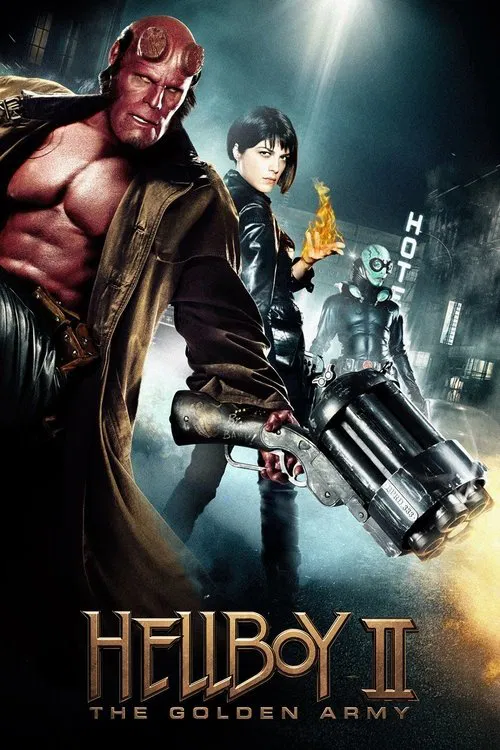
Hellboy II: The Golden Army

Guillermo del Toro, 2008

An elf prince wants to wake an unstoppable mechanical army and take the world back from humans. Hellboy and his team have to stop him, while Hellboy is exposed to the public. Watch how many of the creatures are physical creations, built by hand and worn by actors in real makeup.

Hellboy II: The Golden Army (2008) poster

At a glance

Hellboy II: The Golden Army is a 2008 fantasy, action and adventure film directed by Guillermo del Toro. This breakdown covers 4 techniques (1 cinematography and 3 narrative), each with the scene where you can see it. If you like how it is made, Ready Player One uses several of the same techniques.

Cinematography

Practical In-Camera Effects

Creating effects physically on set with makeup, prosthetics, built props and camera tricks, with no computer graphics added later. The results look solid and real.

How this film uses it

The film built real things for its creatures. Johann Krauss wears a glass fishbowl helmet, and mirror and perspective tricks hide the actor's head. Mr. Wink's mechanical fist is made of plastic light enough for motors to move the fingers, and it can be detached and thrown with no CGI. They look solid because they were there.

Where to see it

The fight with Mr. Wink: Hellboy fights Wink, a creature with a mechanical right fist, and kills him.
Narrative

Secondary World Construction

Building a fictional world with its own consistent rules, history, culture and visual detail. It feels like the world keeps going beyond what you see on screen.

How this film uses it

The story gives the elf and goblin world a history, a market and rules of its own. A goblin blacksmith forged an unbeatable army for the elf king, and a hidden market of creatures sits under a city bridge. You feel the world goes on past the edges of the frame.

Where to see it

The Troll Market: the team tracks the tooth fairies to a hidden troll market beneath the Brooklyn Bridge.

Narrative

Death as Personified Interlocutor

Turning death into a character who can be spoken to, argued with and played against. Abstract questions about mortality become a face-to-face dramatic scene.

How this film uses it

Death shows up as a character who can be talked to. Liz can plead with the Angel of Death instead of fighting it. That makes the stakes feel human and personal, as a conversation.

Where to see it

Giant's Causeway: Liz and Abe bring the wounded Hellboy to Northern Ireland, and the Angel of Death removes the spear shard after Liz pleads for his life.

Narrative

Linked Worlds Device

Connecting two worlds or bodies so that events in one directly affect the other, and cross-cutting between them drives the story.

How this film uses it

Nuada and his twin Nuala share a magical bond. Nuada can track her through it, and he finds her that way. The bond makes their relationship both a weapon and a weakness.

Where to see it

The attack on headquarters: Nuada tracks Nuala through their magical bond and abducts her in exchange for the final crown piece.

Questions

Hellboy II: The Golden Army: quick answers

What filmmaking techniques does Hellboy II: The Golden Army use?
CineCode breaks down 4 techniques in Hellboy II: The Golden Army (2008): Practical In-Camera Effects, Secondary World Construction, Death as Personified Interlocutor and Linked Worlds Device.
Who directed Hellboy II: The Golden Army?
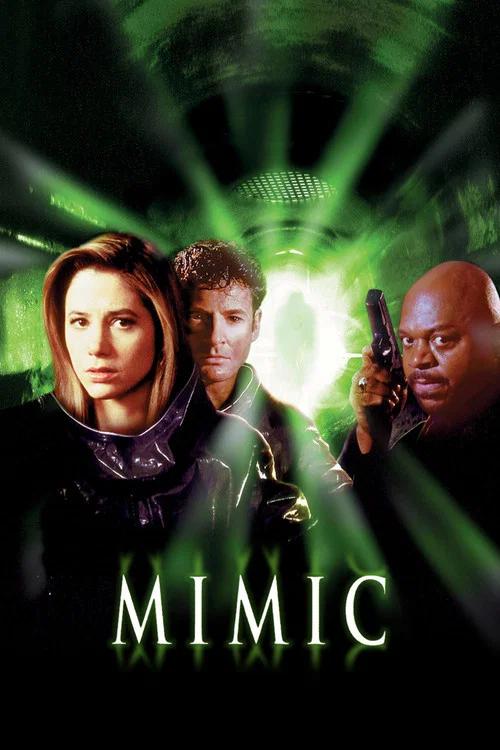
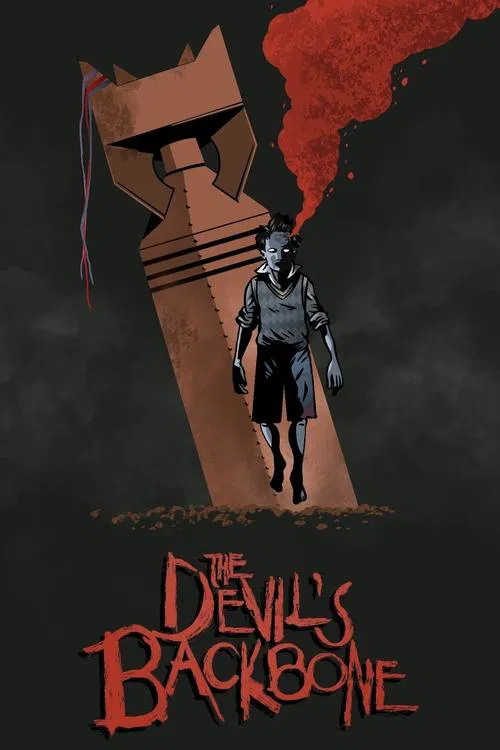
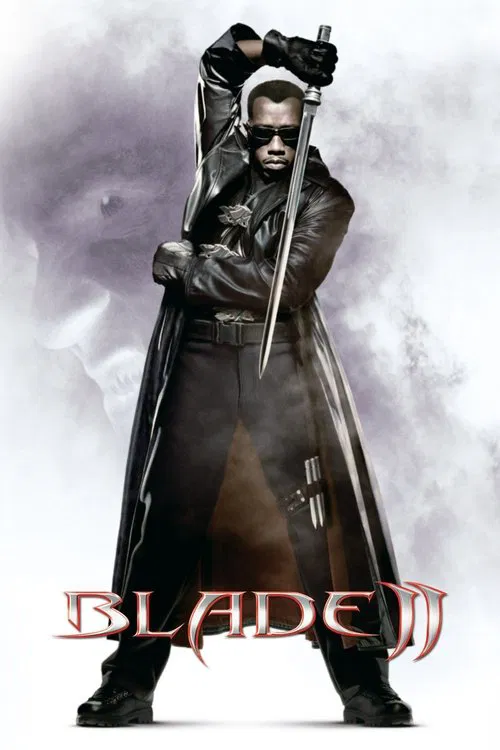
Guillermo del Toro directed Hellboy II: The Golden Army, released in 2008. CineCode also covers Cronos (1993), Mimic (1997), The Devil's Backbone (2001), Blade II (2002), Hellboy (2004), Pan's Labyrinth (2006).
What films are similar to Hellboy II: The Golden Army?
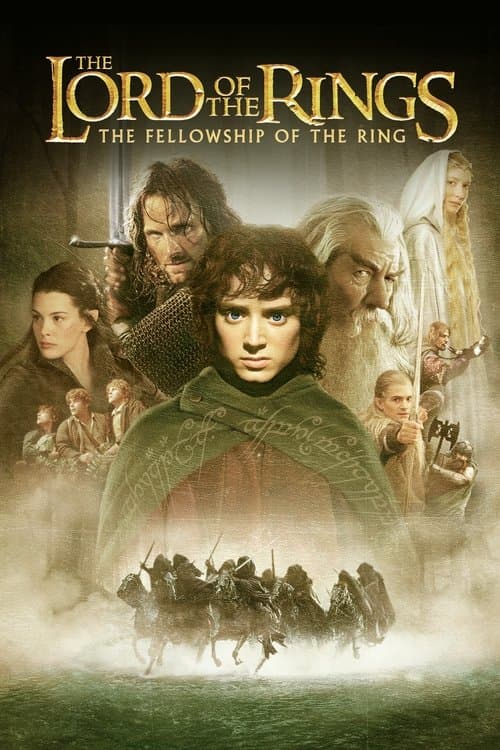
Films that share techniques with Hellboy II: The Golden Army include Ready Player One (2018), Inception (2010), Eternal Sunshine of the Spotless Mind (2004), The Lord of the Rings: The Fellowship of the Ring (2001).