Drama · Romance · Thriller

Slumdog Millionaire

Danny Boyle, 2008

An 18-year-old from the Mumbai slums is one question away from winning Who Wants to Be a Millionaire when he is arrested on suspicion of cheating. The film then shows how he knew each answer through a flashback to a specific trauma in his childhood. Danny Boyle builds the film as a puzzle, and the pieces are memories.

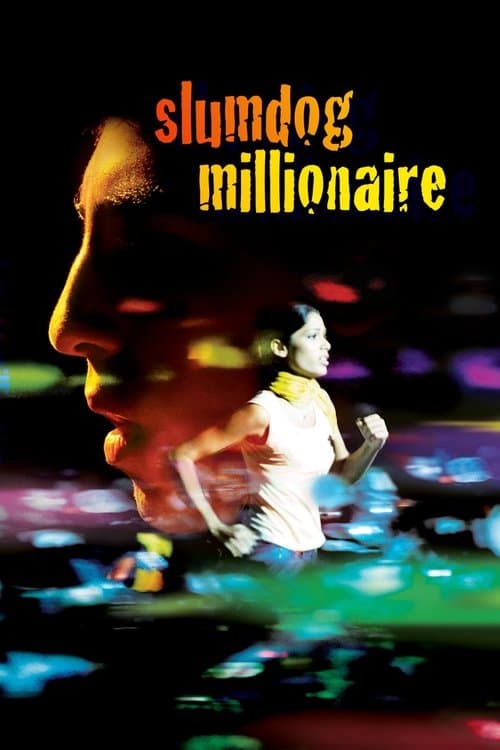
Slumdog Millionaire (2008) poster

At a glance

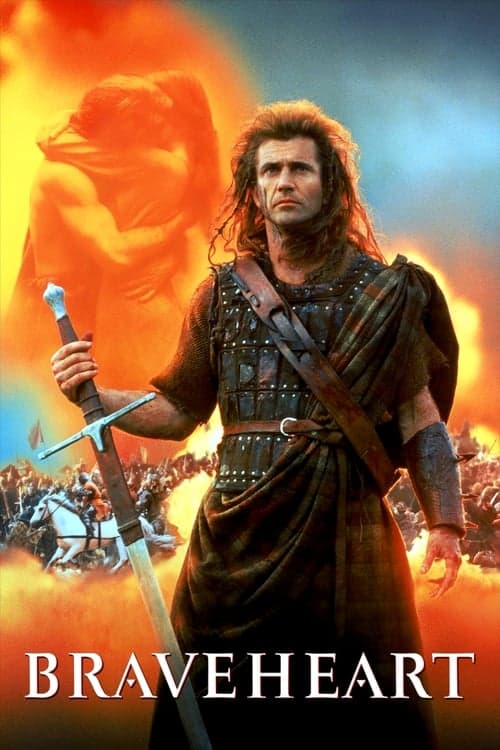
Slumdog Millionaire is a 2008 drama, romance and thriller film directed by Danny Boyle. This breakdown covers 4 techniques (3 narrative and 1 cinematography), each with the scene where you can see it. If you like how it is made, Braveheart uses several of the same techniques.

Narrative

Non-Linear Narrative

Telling the story out of order by jumping between time periods. The order you see events in changes how you understand them.

How this film uses it

Each quiz question unlocks a matching memory. The game show gives the film a way to piece together a traumatic life story in fragments. Jamal has suffered for every answer he knows.

Where to see it

The question about Benjamin Franklin. Jamal knows the answer because a childhood friend, blinded and now singing for coins on the street, once told him whose face is on the $100 bill. The answer and the painful memory arrive together.
Cinematography

Handheld Kinetic Cinematography

Keeping an unsteadied handheld camera in constant motion during action, panning, circling and rushing in. You feel like you are inside the event with no safe distance.

How this film uses it

Anthony Dod Mantle shoots the Mumbai slum sequences with a camera that runs alongside the children. It stays close, fast and breathless. The chase scenes feel as urgent as documentary footage.

Where to see it

The opening chase through the Dharavi slums. Children sprint through narrow alleys and the camera barely keeps up. The city itself feels like an opponent they have to physically get past.

Narrative

In Medias Res

Starting the story in the middle of the action, often during a crisis, with no setup. You pick up the background later through flashbacks or small hints.

How this film uses it

The film opens with Jamal under interrogation. He is already arrested and already a suspect. The rest of the film explains how he came to know the answers that made him look suspicious.

Where to see it

The police interrogation opening: a man in a chair, a question, a flashback. In 3 minutes, the film has shown you how its whole structure will work.

Narrative

Earned Catharsis

Building up to a big emotional release slowly, by investing in the characters and giving small bits of hope. When the release comes, it feels deserved after all the suffering.

How this film uses it

Boyle puts Jamal through long, specific loss and violence before he allows the joyful finale. The Bollywood dance sequence at the end works as catharsis, an emotional release, because the film made it cost something first.

Where to see it

The station platform reunion and the final dance. It is a crowd-pleasing ending, and it feels genuine because of the weight of everything before it.

Questions

Slumdog Millionaire: quick answers

What filmmaking techniques does Slumdog Millionaire use?
CineCode breaks down 4 techniques in Slumdog Millionaire (2008): Non-Linear Narrative, Handheld Kinetic Cinematography, In Medias Res and Earned Catharsis.
Who directed Slumdog Millionaire?
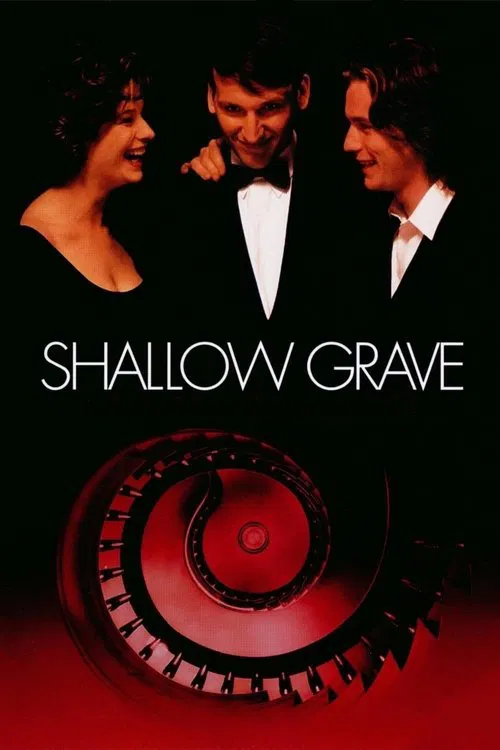
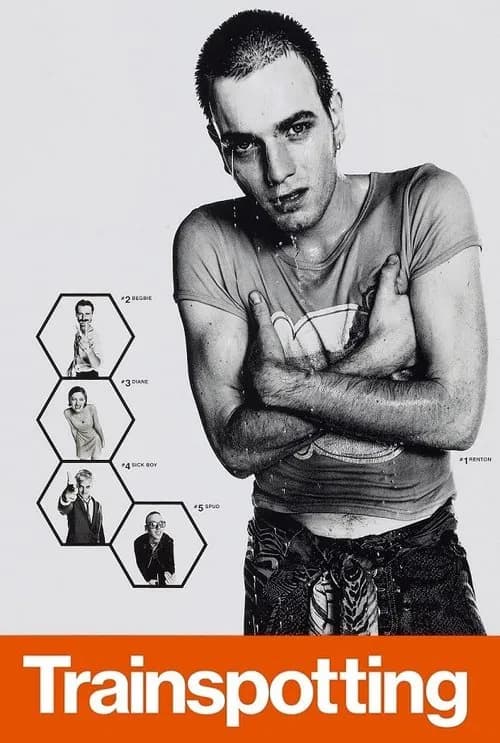
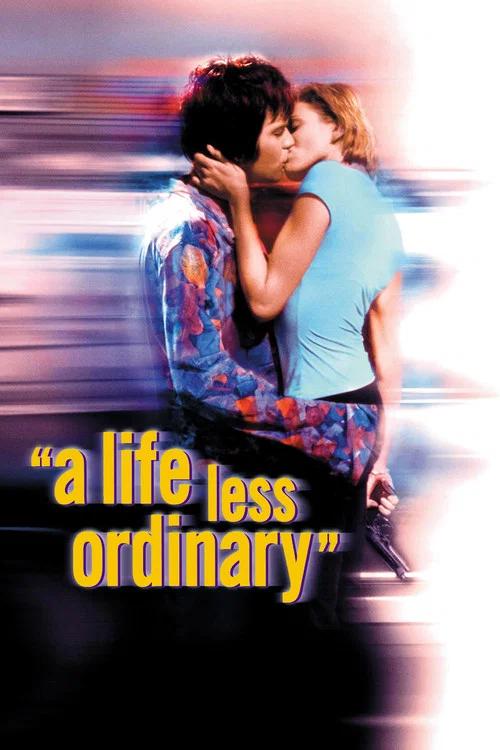
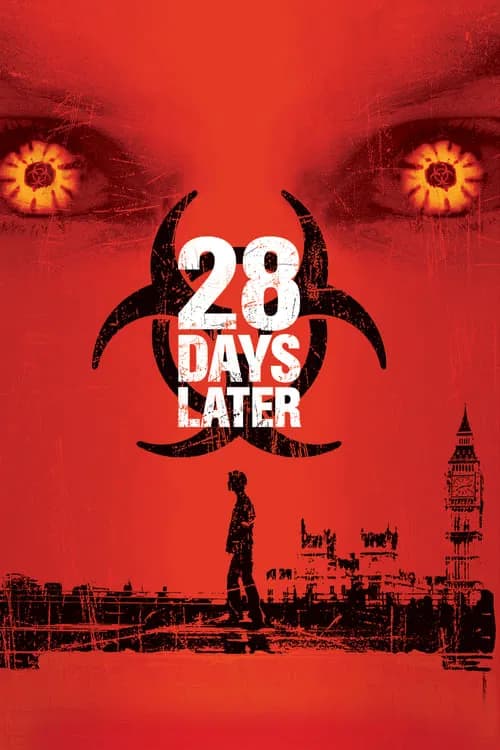
Danny Boyle directed Slumdog Millionaire, released in 2008. CineCode also covers Shallow Grave (1994), Trainspotting (1996), A Life Less Ordinary (1997), The Beach (2000), 28 Days Later (2002), Sunshine (2007).
What films are similar to Slumdog Millionaire?
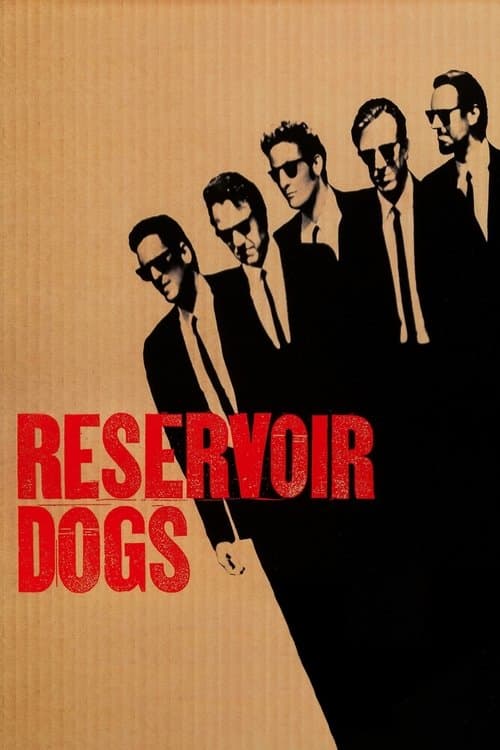
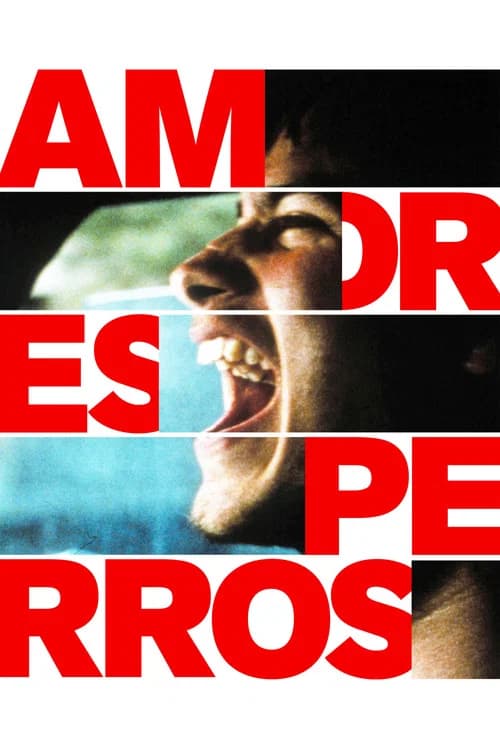
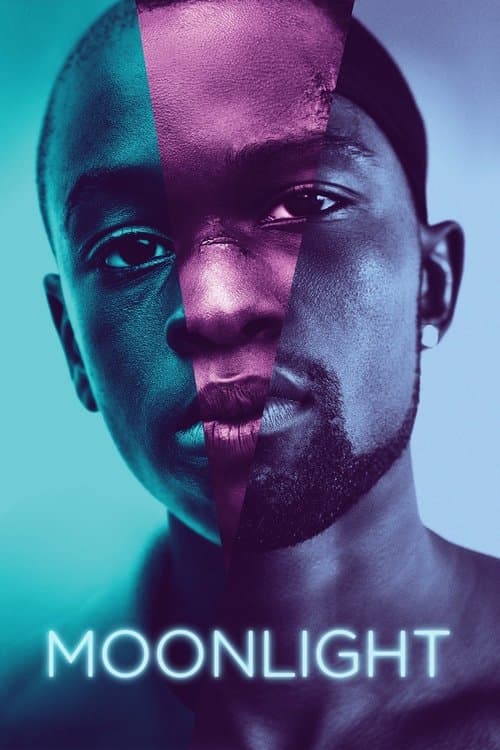
Films that share techniques with Slumdog Millionaire include Braveheart (1995), Moonlight (2016), Reservoir Dogs (1992), Amores Perros (2000).