
The Hurt Locker
Kathryn Bigelow · 2008
Sergeant First Class William James leads a bomb disposal unit through the final month of their Iraq War deployment, his reckless addiction to danger placing his team's lives at constant risk. Kathryn Bigelow's film refuses every convention of the war movie — there is no mission, no enemy, only the bomb and the man who needs it.
Techniques Used
5 techniques identified in this film
Handheld Cinema Vérité
CinematographyUsing handheld camera movement to create the texture of documentary immediacy, placing the viewer inside events rather than above them.
How this film uses it
Barry Ackroyd's cameras — sometimes four simultaneously — prowl around the bomb disposal sequences at ground level, creating claustrophobic proximity to danger without the safety of a composed shot.
Ticking Clock Structure
NarrativeOrganizing a scene or entire film around a countdown that creates escalating tension.
How this film uses it
Every bomb disposal sequence is a ticking clock — both literally (detonation timers) and physiologically (Bigelow cuts to sweat, breath, trembling hands) — making tension a bodily experience rather than a plot device.
Desaturated War Palette
CinematographyDraining color from the visual palette to create a moral and atmospheric bleakness appropriate to combat.
How this film uses it
The Iraq streets are rendered in exhausted beiges, grays, and dust — a palette that makes the environment feel hostile and featureless, offering no refuge to the eye or the soldier.
Death Foreshadowing Through Objects
NarrativePlacing objects in early scenes that carry lethal significance when they reappear later.
How this film uses it
James keeps a box of triggers, wires, and personal items from his defused bombs — the box of 'things that almost killed me' — which gradually reveals the psychological toll beneath his apparent fearlessness.
Heat as Psychological Pressure
CinematographyUsing heat — visual, sonic, or physical — as an environmental force that externalizes psychological strain.
How this film uses it
The Iraq heat is a constant physiological presence — heat shimmer on the streets, sweat inside the bomb suit, the sun as a source of disorientation — making the environment itself an antagonist.
You Might Also Like
Films that share at least one technique with The Hurt Locker
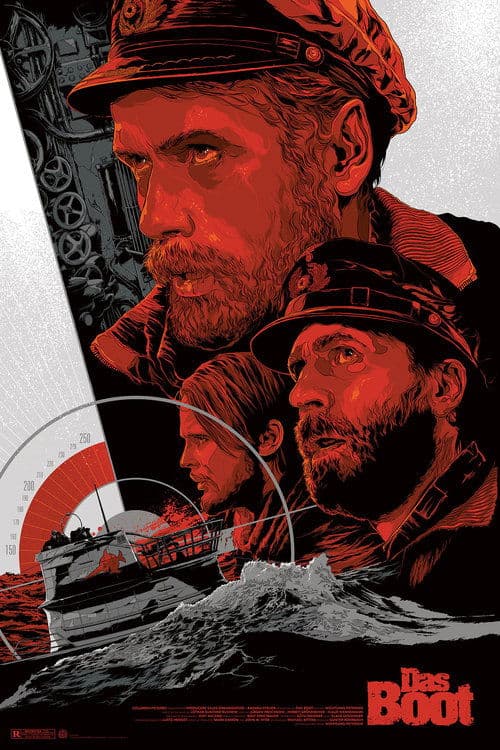
A German U-boat crew patrols the North Atlantic during World War II, enduring mechanical failure, allied depth charges, and the slow psychological erosion of men trapped in a steel tube under the sea. The definitive submarine film and one of cinema's most sustained exercises in claustrophobic dread.
Das Boot
Wolfgang Petersen · 1981

Two British lance corporals are sent across no-man's-land and enemy territory to deliver a message that could save 1,600 soldiers from walking into an ambush. Sam Mendes and cinematographer Roger Deakins construct the film to appear as a single, unbroken take — a continuous journey through landscape as trauma.
1917
Sam Mendes · 2019
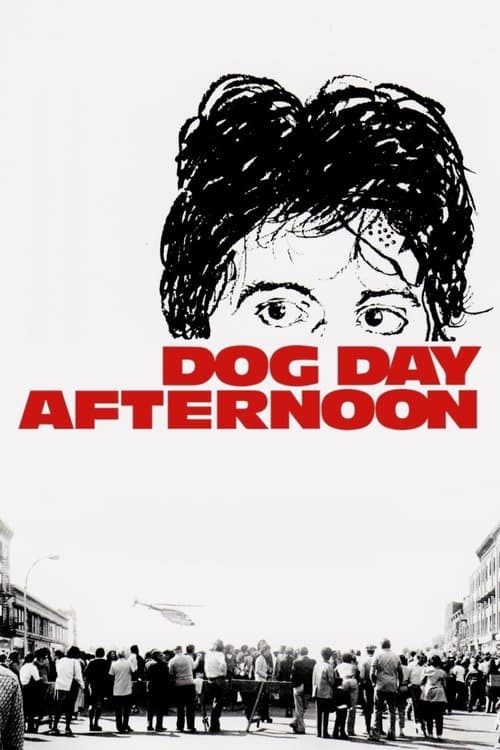
Sonny Wortzik and a nervous accomplice attempt to rob a Brooklyn bank to fund his partner's gender reassignment surgery, only for the afternoon heist to become a six-hour media circus and hostage situation. Sidney Lumet's film is a sweating, absurdist masterpiece about desperation turned spectacle.
Dog Day Afternoon
Sidney Lumet · 1975