Drama · Romance · Fantasy

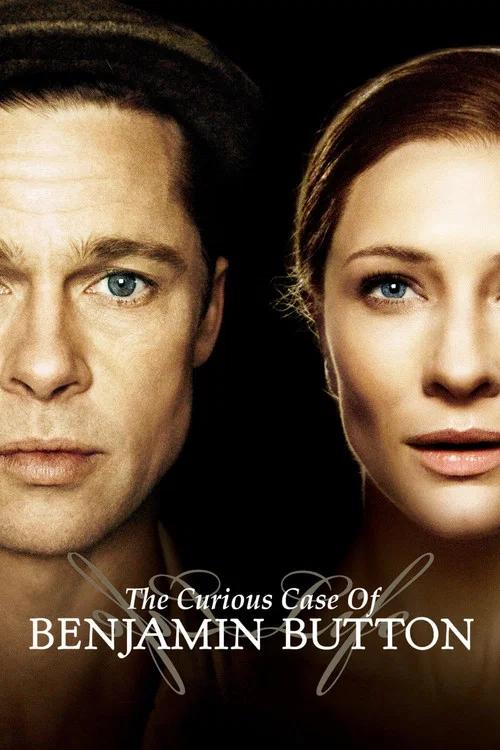
The Curious Case of Benjamin Button

David Fincher, 2008

Born as an old man in 1918, Benjamin Button ages backward while everyone around him grows old. His story is told from a New Orleans hospital in 2005, where a dying woman has her daughter read his diary. Watch how the effects and a backward clock turn 1 life into a fable.

The Curious Case of Benjamin Button (2008) poster

At a glance

The Curious Case of Benjamin Button is a 2008 drama, romance and fantasy film directed by David Fincher. This breakdown covers 4 techniques (2 narrative, 1 cinematography and 1 editing), each with the scene where you can see it. If you like how it is made, The Hobbit: The Desolation of Smaug uses several of the same techniques.

Narrative

Elderly Frame Narrative

Framing the story as an old person's memory of events from decades ago. You know from the start how things ended, so even the happy memories carry some grief.

How this film uses it

Daisy, dying in a New Orleans hospital in August 2005, has her daughter Caroline read Benjamin's diary aloud. The whole story arrives as her memory, so you know from the start that it ends in loss. Even the warm years carry that.

Where to see it

The hospital bedside. Daisy listens as Caroline reads Benjamin's diary, and the story begins in 1918.

Narrative

Symbolic Object

Returning to the same physical object again and again until it means more than what it is. It moves the plot and also stands for the film's main ideas.

How this film uses it

A blind clockmaker builds a train station clock that runs backward, as a memorial to men killed in World War I. It is replaced by a digital clock in 2002, but the original keeps ticking backward in a flooded storage room after Hurricane Katrina. The clock echoes Benjamin's own life.

Where to see it

The backward clock. In 1918 the clockmaker Gateau builds a clock for the New Orleans station that runs in reverse.

Cinematography

Performance Capture Pioneer

Recording an actor's body movements and facial expressions and using that data to drive a fully digital character. The human performance survives inside a non-human form.

How this film uses it

Digital Domain used a camera system called Contour to record facial movement from live performances. That data helped make the digital transformations of Brad Pitt's character, including the infant stage. His acting stays visible under the effects.

Where to see it

Benjamin's reverse aging. Benjamin moves from a wheelchair to crutches to walking as a child, and later he shrinks back into infancy.

Editing

Visual Timeline Markers

Giving a character a clearly different look in each timeline, such as a new haircut or clothes. When the film cuts between periods, you can place each scene at a glance.

How this film uses it

Benjamin looks different in each stage: frail at birth, then more upright and younger as the decades pass. Several actors play him at different ages. You can place each scene in his life by how he looks.

Where to see it

The 1962 reunion. Benjamin and Daisy meet again at a similar physical age, and their daughter Caroline is born in 1968.

Questions

The Curious Case of Benjamin Button: quick answers

What filmmaking techniques does The Curious Case of Benjamin Button use?
CineCode breaks down 4 techniques in The Curious Case of Benjamin Button (2008): Elderly Frame Narrative, Symbolic Object, Performance Capture Pioneer and Visual Timeline Markers.
Who directed The Curious Case of Benjamin Button?
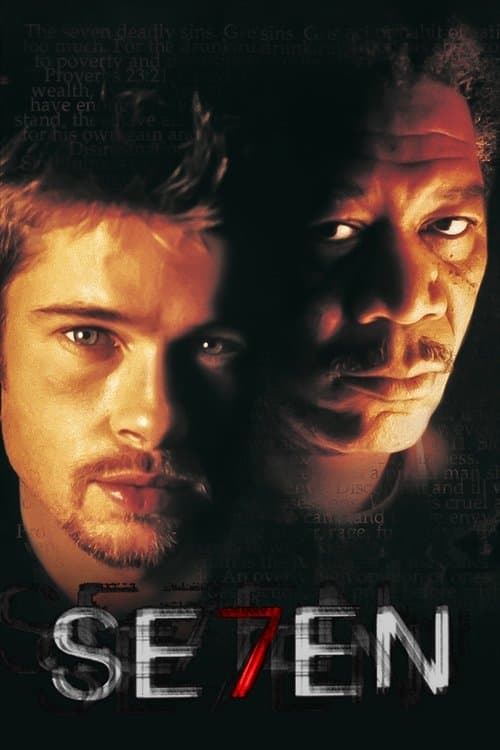
David Fincher directed The Curious Case of Benjamin Button, released in 2008. CineCode also covers Alien³ (1992), Se7en (1995), The Game (1997), Fight Club (1999), Panic Room (2002), Zodiac (2007).
What films are similar to The Curious Case of Benjamin Button?
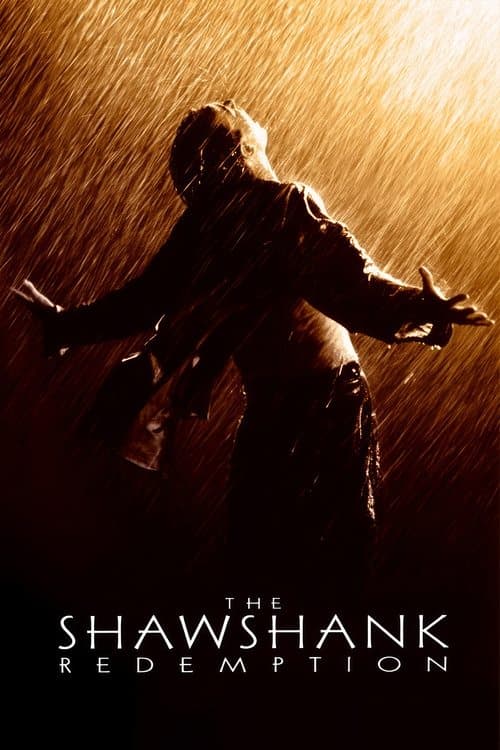
Films that share techniques with The Curious Case of Benjamin Button include The Hobbit: The Desolation of Smaug (2013), The Polar Express (2004), Welcome to Marwen (2018), The Shawshank Redemption (1994).